


Hidden Motors, Latent Capital: A Garage Find Points to Broader Economic Currents
POLICY WIRE — Kansas City, MO — It wasn’t the broken garage door, nor the years of dust clinging to warped wooden planks, that truly caught the eye of prospective buyers. It was the...

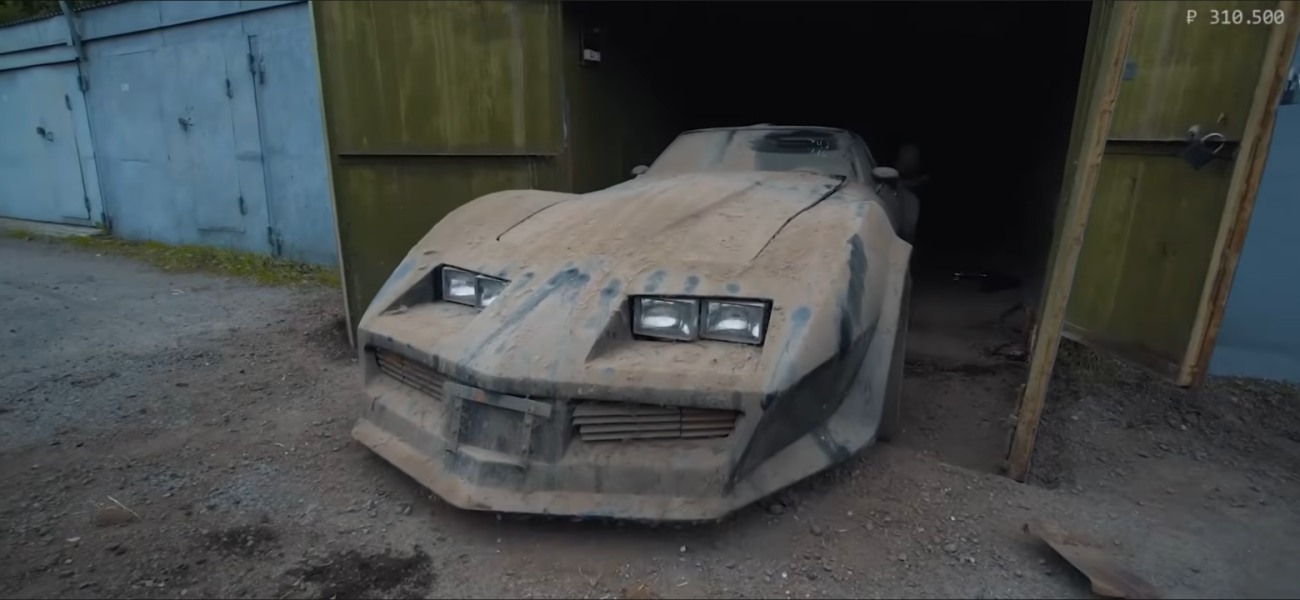
POLICY WIRE — Kansas City, MO — It wasn’t the broken garage door, nor the years of dust clinging to warped wooden planks, that truly caught the eye of prospective buyers. It was the tantalizing, almost desperate whisper of latent value – capital locked away, forgotten perhaps, by a market moving too fast for some, leaving others behind in its wake. This particular property, a humble structure bought for a mere $17,000, didn’t just house an accumulation of forgotten tools; it was a mausoleum for something far grander: a widebody Corvette C3, interred for nineteen silent years.
But this isn’t just a quirky human interest story, not when you peel back the layers of grime — and neglect. It’s a snapshot, albeit a dusty one, of economic decay and the strange ways assets are stored, abandoned, and eventually rediscovered. And, well, let’s face it, it’s also about a killer car. Imagine buying an old shed, ripping open the dry-rotted wall, — and finding a time capsule to a flashier, noisier era. That’s precisely what happened to Kevin and Daniel, who, in a classic tale of speculative acquisition, stumbled onto what automotive experts are already calling a significant find. It had a fiberglass body, a monstrous engine, and the kind of aggressive lines that scream late-70s machismo. An absolute stunner, trapped by time.
It’s tempting to just marvel at the car itself. And it’s marvelous. But what does it say about us? About an economy where things of immense value can simply vanish from sight for two decades? “Folks often forget what they own, or rather, where they stashed it,” observed Patricia Davies, spokesperson for the State Treasurer’s Office, commenting generally on forgotten assets. “We see it all the time with dormant bank accounts or unclaimed safe deposit box contents, but a car? A large, high-value asset like that? That’s less common, certainly, but it points to a pattern of hidden, sometimes lost, capital that exists everywhere.” She’s not wrong. Every city’s got these pockets, places where neglect breeds both opportunity and, occasionally, outright fortune.
But how does something like this happen? A prized possession, sealed behind crude plywood, almost perfectly preserved in its cocoon of dust? Was it a fleeing owner? A forgotten collection? A family dispute that left a treasure trove in limbo? Details remain scarce, but the speculation is already swirling around insurance, taxation, or perhaps a sudden, irreversible change in circumstance for its original custodian. Local Councilman Robert Chen, addressing questions about urban blight and property maintenance, wasn’t surprised by the find’s location. “Every abandoned structure is a drain on a neighborhood. This Corvette reminds us there’s value, sometimes enormous value, hidden behind cracked facades and crumbling infrastructure. We need policies to get these properties back on the books, generating economic activity, not just rust — and memories.”
📄 POLICY WIRE WHITEPAPER PUBLISHED: PAKISTAN'S NATIONAL SECURITY POLICY PRIORITIES
👉 READ BY CLICKING HEREThis tale, while distinctly American in its immediate context, resonates far beyond the heartland. Think of the hidden warehouses of Lahore, filled with luxury vehicles waiting for favorable tax conditions, or the quiet, off-market movement of rare models across the Gulf States to eager buyers in Saudi Arabia and beyond. The international market for classic cars, especially models like a widebody C3 Corvette (a niche favorite), isn’t just about enthusiasts; it’s about investment. These assets represent portable wealth, often shielded from the fluctuating gaze of political stability or financial scrutiny, much like other luxury goods or fine art. According to Knight Frank’s Luxury Investment Index, the average appreciation rate for classic cars outpaced the S&P 500 by an estimated 193% over the last decade. It’s serious business.
What This Means
This seemingly isolated incident unearths several critical economic — and societal threads. First, it highlights the overlooked potential of urban redevelopment; neglected spaces aren’t just empty voids but often contain dormant, valuable capital, waiting to be unleashed. Revitalizing these forgotten corners could inject surprising wealth into local economies, bolstering civic projects and infrastructure without always resorting to new taxes or grand government initiatives. It’s about recognizing what’s already there, even if it’s hidden under a tarp. Second, the discovery points to the perennial human habit of concealing wealth. Whether it’s for privacy, tax evasion, or as a hedge against an uncertain future, individuals across the globe, from rural Missouri to bustling Karachi, find innovative, sometimes accidental, ways to keep assets off the books. This dynamic profoundly impacts national fiscal policy — and international efforts to combat money laundering. Lastly, the dramatic appreciation of such a specialized asset class, like the rare C3, speaks to the ongoing global obsession with collectibles as investments, driving up prices and creating a secondary market where true treasures might be lost—or found—in the unlikeliest of places. Because in the end, it’s not just about a car; it’s about money, power, and the ghosts of prosperity.