

Shadow of Unrest: Pretoria’s Tenuous Grip on a Volatile Migration Standoff
POLICY WIRE — Pretoria, South Africa — A tense quiet has fallen over South Africa’s townships, not the peace of a truce, but the charged silence preceding a summer storm. For weeks, a clock, ticking...

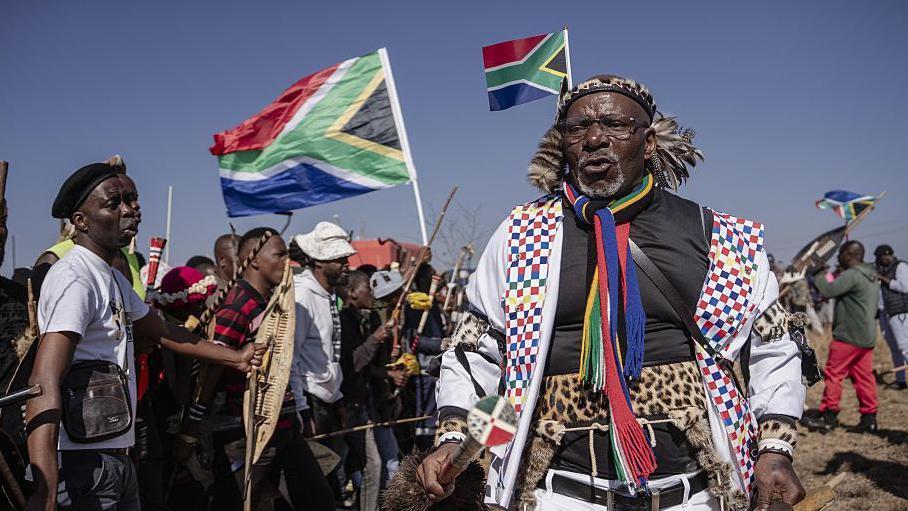
POLICY WIRE — Pretoria, South Africa — A tense quiet has fallen over South Africa’s townships, not the peace of a truce, but the charged silence preceding a summer storm. For weeks, a clock, ticking only in the minds of some radical anti-migrant factions, has pushed the nation closer to what could be another grim chapter in its post-apartheid narrative. They’ve circled a date—unofficial, unrecognized by government, yet undeniably potent—demanding a mass exodus of undocumented foreign nationals. But this isn’t just about paperwork; it’s about the frayed edges of a society grappling with its own ghosts.
And now, after a period of calibrated silence, President Cyril Ramaphosa has finally broken ranks with the equivocation. He hasn’t just suggested calm; he’s issued a direct, pointed warning to those agitating for migrant expulsions. His tone? Uncompromising. His message? The rule of law isn’t a suggestion—it’s the only game in town.
“We won’t countenance a return to the dark days of vigilantism and mob justice,” Ramaphosa declared in a hastily arranged address, his voice firm, echoing across national airwaves. “South Africa is a constitutional democracy. We defend the rights of all within our borders, citizens — and non-citizens alike, provided they adhere to our laws. We won’t allow opportunistic elements to plunge this country into chaos for their narrow agendas.” It’s a bold statement, considering the political tightrope he’s been walking, trying to appease a populist tide without alienating international partners or betraying democratic principles. That’s a trickier feat than it sounds.
The stakes are undeniably high. Unofficial deadlines in this volatile socio-political landscape have a habit of morphing into flashpoints. Memories of the devastating 2008 and 2015 xenophobic riots—when immigrants, particularly those from other African nations, faced brutal attacks, displacement, and death—still hang heavy, a reminder of just how quickly simmered resentment can boil over. South Africa’s unemployment rate stood stubbornly at 32.6% in the first quarter of 2024, according to Stats SA, a fertile breeding ground for blaming external forces. Because when the job market looks like a barren wasteland, it’s easier to point fingers than to dig deep.
The anti-migrant movement, a hydra-headed beast with various names but a singular, often chilling message, claims it’s protecting South African jobs and resources. They often disregard the significant contributions foreign nationals make to the informal economy and certain skilled sectors—many working jobs locals won’t, or running small businesses that inject much-needed vitality into poorer communities. It’s an inconvenient truth, isn’t it?
“This cycle of fear and targeted aggression isn’t unique to South Africa, sadly,” noted Ambassador Khalid Hussain, an envoy from a prominent South Asian nation (we’ll keep his specific posting discrete, for now), reflecting on the broader global landscape. “We see these pressures in various forms, from Europe to Pakistan’s turbulent border regions, where economic strain and resource scarcity are weaponized against the vulnerable. It corrodes the very idea of human fraternity. Countries like South Africa, with their unique historical fight for freedom, should be at the forefront of protecting those ideals, not undermining them.” And he’s got a point. Many Muslim-majority nations, while grappling with their own complex migration patterns and geopolitical instability, also understand the critical need for inter-community harmony. They’ve faced these exact types of challenges — and have their own internal balancing acts.
The South African government’s challenge isn’t merely to disperse a few angry crowds. It’s to address the underlying economic disparities and institutional failures that fuel this resentment—a resentment expertly manipulated by political opportunists and grassroots organizers. They’ve cultivated a narrative where immigrants are not just competitors but existential threats. But solving a complex economic crisis with blame won’t build bridges; it only burns them.
What’s particularly unnerving is the deliberate bypassing of legal immigration channels. These groups are pushing for summary expulsions, disregarding due process, and effectively daring the state to intervene. They’re playing chicken with state authority, — and for a nation still grappling with its past, that’s a dangerous game.
What This Means
This situation presents a dire test for South Africa’s democratic institutions — and its commitment to human rights. Politically, Ramaphosa’s strong stance, while necessary, carries risks. He could alienate elements within his own ruling African National Congress (ANC) who quietly (or not so quietly) sympathize with anti-migrant sentiments, especially ahead of a general election. Failing to enforce his warning, however, would irrevocably damage the credibility of the state and invite widespread instability.
Economically, any large-scale disruption or forced exodus of foreign workers would have immediate and negative consequences, particularly in the informal sector, but also in specialized areas like health care and education, where immigrants often fill critical gaps. It signals a poor investment climate, deterring foreign capital — and talent. Such a move would only exacerbate the nation’s existing economic woes. Plus, it just tarnishes the global image. A nation that struggles with xenophobia isn’t exactly a poster child for stability or progress, is it? International observers, particularly human rights organizations and economic blocs like the African Union, will be watching closely. A breakdown of order here could easily reverberate, setting a dangerous precedent for other nations wrestling with similar pressures. It really isn’t just South Africa’s problem; it’s everyone’s.