

Shadows of a Forever War: Border Bombs Echo Deep Divide
POLICY WIRE — Islamabad, Pakistan — They say history doesn’t repeat, but it certainly rhymes. On the craggy, unforgiving frontier dividing Afghanistan and Pakistan, another stanza of an old,...

POLICY WIRE — Islamabad, Pakistan — They say history doesn’t repeat, but it certainly rhymes. On the craggy, unforgiving frontier dividing Afghanistan and Pakistan, another stanza of an old, bloody poem just played out. This time, Islamabad asserts it was striking ‘terrorist safe havens,’ a familiar refrain. But the inevitable fallout, once again, was counted in civilian lives, dragging both nations deeper into a diplomatic trench neither seems to know how to escape.
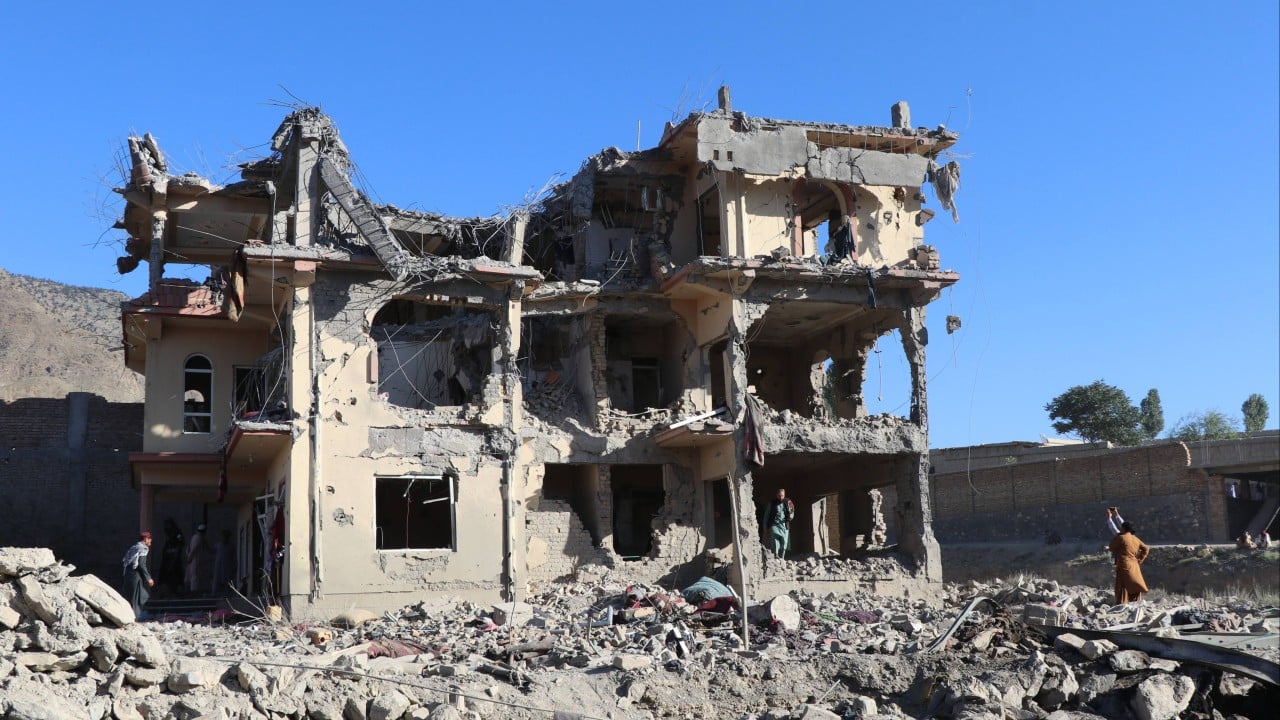
It wasn’t a sudden storm, but rather the culmination of simmering resentments—a kinetic punctuation mark on a relationship long frayed at the edges. Overnight operations by Pakistani forces—ground incursions followed by swift aerial bombardments—reportedly targeted militant infrastructure. But Afghan officials in Kabul aren’t buying the narrative of surgical strikes, not when they’re reporting a grim tally. At least 36 Afghan civilians, they claim, perished in the early Monday morning assault. More than 160, apparently, nursing wounds in rudimentary clinics just meters from the border. But, let’s be blunt: casualty counts, especially in this theatre, are always a moveable feast, aren’t they?
Zabihullah Mujahid, a spokesman for the interim Afghan government, minced no words from Kabul. “Pakistan’s recent attacks are a blatant violation of sovereignty, a cowardly act against innocent villagers. They’ve invited retribution, — and we warn them: Afghanistan isn’t a soft target, not anymore. These provocations won’t stand.” It’s a sentiment born of both genuine grievance and a calculated diplomatic gamble, banking on global attention to their plight.
Pakistan, predictably, offered a counter-narrative, painting the strikes as an unavoidable response to unrelenting cross-border terrorism. They contend that groups hostile to Islamabad find sanctuary — and logistical support within Afghan territory. Pakistan’s Foreign Minister Jalil Abbas Jilani, speaking with characteristic steeliness from the capital, asserted, “Our patience, frankly, is exhausted. For too long, we’ve pleaded with our neighbors to control these elements. Our actions are self-defense, a proportional response to egregious violations of our own sovereignty and the persistent threat to our citizens. We’ve killed 29 fighters, not innocents; they were legitimate targets.” That’s the story they’re sticking to, anyway.
This latest fracas isn’t an isolated incident; it’s part of a relentless, brutal rhythm that pulses along the Durand Line—a colonial-era scar that still bleeds. It’s a conflict that strains not just diplomatic ties, but also the already strained bonds within the broader Muslim world, a region often presented as a unified front, yet internally fracturing over state interests and porous borders. The human cost is staggering, quietly mounting outside the spotlight of global headlines. According to UNHCR estimates, over 1.3 million registered Afghan refugees still reside in Pakistan, a direct legacy of decades of upheaval, now joined by potentially thousands more fleeing this fresh wave of violence. And for many of them, it’s not merely a return to a dangerous homeland; it’s a terrifying limbo. Because when states turn on their neighbors, who truly benefits?
What This Means
The immediate implication here is a further, perhaps irreversible, chill in relations between two strategically significant, nuclear-armed neighbors. Politically, Islamabad’s military action risks alienating any remaining goodwill in Kabul, potentially solidifying the narrative of Pakistan as an aggressor rather than a security partner. This could lead to a less cooperative, and perhaps more overtly hostile, Afghan posture towards border security, paradoxically worsening Pakistan’s long-term security challenges. Economically, expect renewed disruptions to what little cross-border trade exists—a blow for communities on both sides that rely on this fragile lifeline. Any dreams of robust regional connectivity or coordinated counter-terrorism efforts suddenly feel like a cruel joke. The situation also presents a fresh headache for international bodies already grappling with Afghanistan’s humanitarian crisis, potentially diverting resources and diplomatic efforts that could be better spent on internal stability. There’s no easy exit from this one, is there? The cycle of accusation and retaliation could easily spiral, drawing in regional players—Iran, Central Asian states, even China—who watch the instability in this region with growing alarm. It’s an escalating game of brinkmanship, — and the human dominoes just keep falling.