


The Micro-Economy of a ‘Makeshift Moat’: Human Ingenuity Against Horticultural Adversity
POLICY WIRE — Washington D.C., USA — The unassuming saga of a few burgeoning seedlings—protected not by high-tech sensors or industrial agricultural might, but by what one calls a ‘makeshift...

POLICY WIRE — Washington D.C., USA — The unassuming saga of a few burgeoning seedlings—protected not by high-tech sensors or industrial agricultural might, but by what one calls a ‘makeshift moat’—offers a curious lens through which to view human instinct. We’re talking about dirt and water, sure, but also about defense, resource allocation, and a distinctly grassroots brand of resilience. It’s a tale usually relegated to community forums, but it’s got an echo, however faint, in far grander geopolitical theaters.
It began, we’re told, with a ‘Beginner gardener’ attempting to cultivate a modest patch. This isn’t agribusiness; it’s a deeply personal, often frustrating, endeavor. The simple act of a backyard endeavor speaks volumes about individual agency in an era of complex supply chains. One might imagine the exasperated sighs as tiny plants wither, the battle against unseen pests—it’s not for the faint of heart, or the lazy. [QUOTE_PLACEHOLDER]
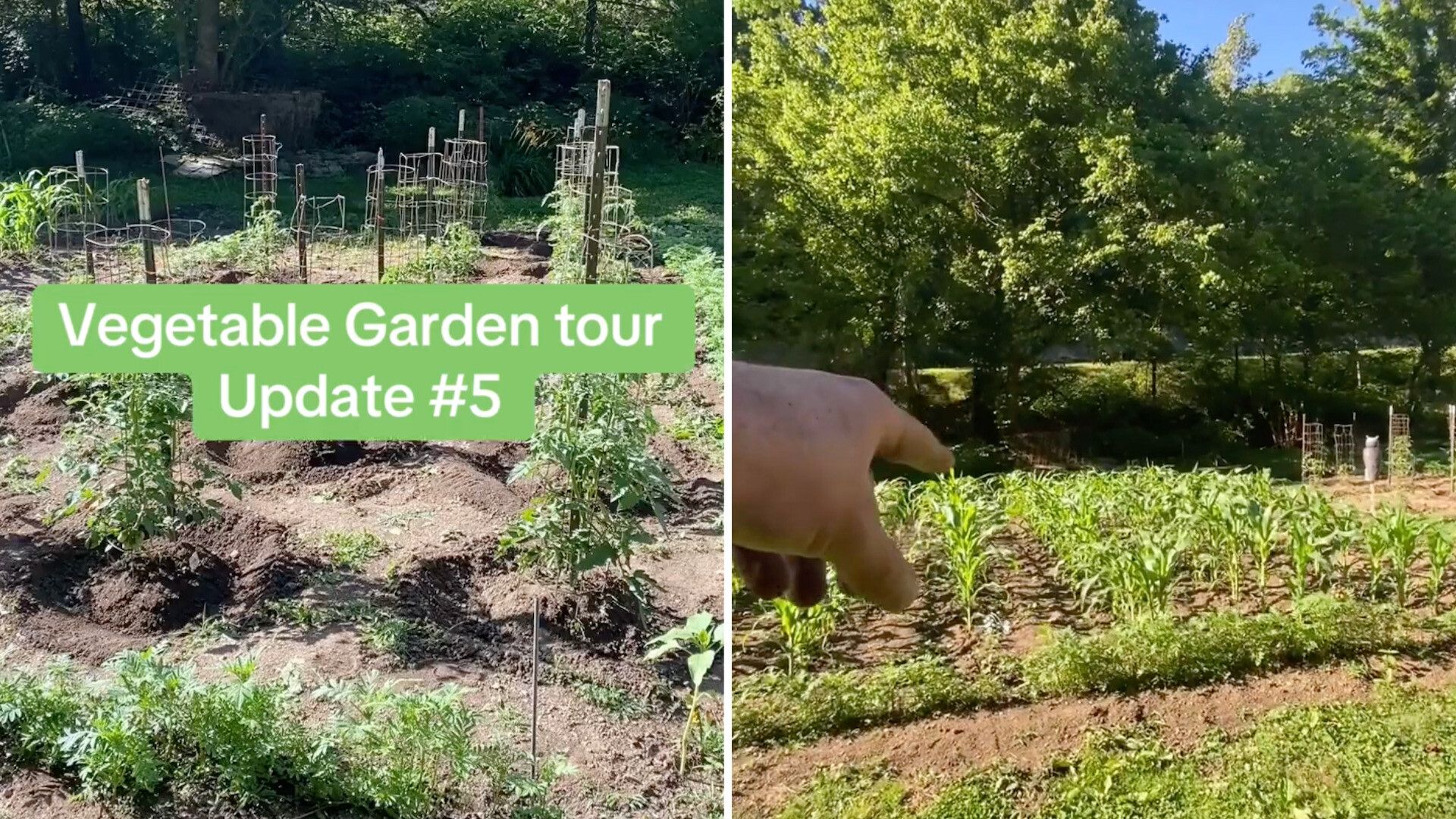
And so, we get to the core of the matter: an innovative, almost medieval-sounding strategy. This individual, presumably vexed by inadequate watering or hungry critters, conceived of something like a miniature defensive perimeter. They ‘shares vegetable patch progress, including a ‘makeshift moat’ around each plant’—a simple phrase that conceals a complex adaptive strategy. It’s not rocket science; it’s earth science, filtered through immediate necessity. The sheer ingenuity of this low-tech solution—draining small trenches around the base of each aspiring zucchini or tomato—strikes a chord. It’s a lesson in problem-solving at its most fundamental, stripped of consultants — and corporate strategies.
This isn’t just about keeping water in or slugs out; it’s about control in an uncontrollable world. It’s a microcosm, if you will, of larger struggles for resource management. Consider Pakistan, for instance, where access to and control over water is an age-old challenge, profoundly influencing agricultural output and regional stability. Or imagine the ingenious, often elaborate, traditional irrigation systems still found across South Asia—aqueducts, karez, baolis—testaments to centuries of societies wrestling with arid lands. They, too, were ‘makeshift moats,’ perhaps on a more communal scale, born of an absolute requirement to survive.
The latest UN Food and Agriculture Organization (FAO) reports suggest that globally, approximately 2 billion people experience moderate or severe food insecurity. That’s a stark, hard statistic underlining the fragility of our food systems, a fragility that brings the quiet efforts of every ‘Beginner gardener’ into sharper, more uncomfortable focus. They’re doing their bit, carving out sustenance where they can.
But back to our amateur horticulturist. This ‘makeshift moat’ is an acknowledgment of imperfect conditions. You don’t build a moat if everything’s perfectly irrigated — and pest-free, do you? It’s a concession to the harsh realities of nature, an attempt to impose order on a fundamentally chaotic biological system. It reminds me of the small, defensive barriers local communities erect along contested borders—physical manifestations of boundaries, protections against encroachment, and an attempt to safeguard what’s theirs.
This isn’t just about cultivating a plant; it’s about cultivating hope. It’s an affirmation of agency, a declaration that one can influence their immediate environment, even if that influence extends only a few feet. It’s about feeding oneself, directly, physically. And for those struggling with far more systemic challenges—those in war-torn regions or economic downturns—that personal act of production takes on immense, often overlooked, dignity. It’s a very human impulse: to dig in, quite literally, — and make things grow.
It’s interesting, isn’t it, how an anecdote about a garden can, with a slight tilt of the head, illuminate so much about our shared global dilemmas? It reveals a common thread running from a suburban plot to the sprawling agricultural plains of Punjab, or the ancient oases of the Middle East. We’re all just trying to keep the good stuff in and the bad stuff out—whether that’s water, or invaders, or hunger. It’s basic. It’s gritty. It’s what we do.
What This Means
This seemingly trivial tale of horticultural improvisation carries more weight than its humble origins suggest. Politically, it represents the persistent undercurrent of self-reliance, a counterpoint to state-controlled food systems and globalized trade. In an age where supply chains are prone to disruption—be it from pandemics, conflicts, or climate shifts—the individual’s capacity for personal food production becomes a quiet, decentralized force. Governments, despite their grand agricultural policies, can learn from this micro-scale adaptation; local, resilient food networks are a critical buffer against systemic shocks.
Economically, the ‘makeshift moat’ symbolizes localized investment — and tangible returns. It’s direct capital expenditure (even if just labor and a trowel) into one’s immediate well-being, sidestepping inflationary pressures or market volatility. For developing nations, and particularly within certain communities in South Asia and the Muslim world, such small-scale agriculture isn’t a hobby; it’s survival. Support for community gardens, urban farming initiatives, and traditional knowledge in cultivation, often dismissed as quaint, can bolster economic stability at the grassroots, potentially reducing dependency on volatile international markets and providing local employment. This seemingly simple moat isn’t just about water management for a few plants; it’s about securing future harvests—one plant, one family, one community at a time.