


The Brutal Repatriation: Malawians Choose Penury Over South African Peril
POLICY WIRE — Lilongwe, Malawi — Imagine trading the slight chance of prosperity for the certainty of hardship, not out of choice, but out of absolute, bone-deep fear. That’s the chilling...

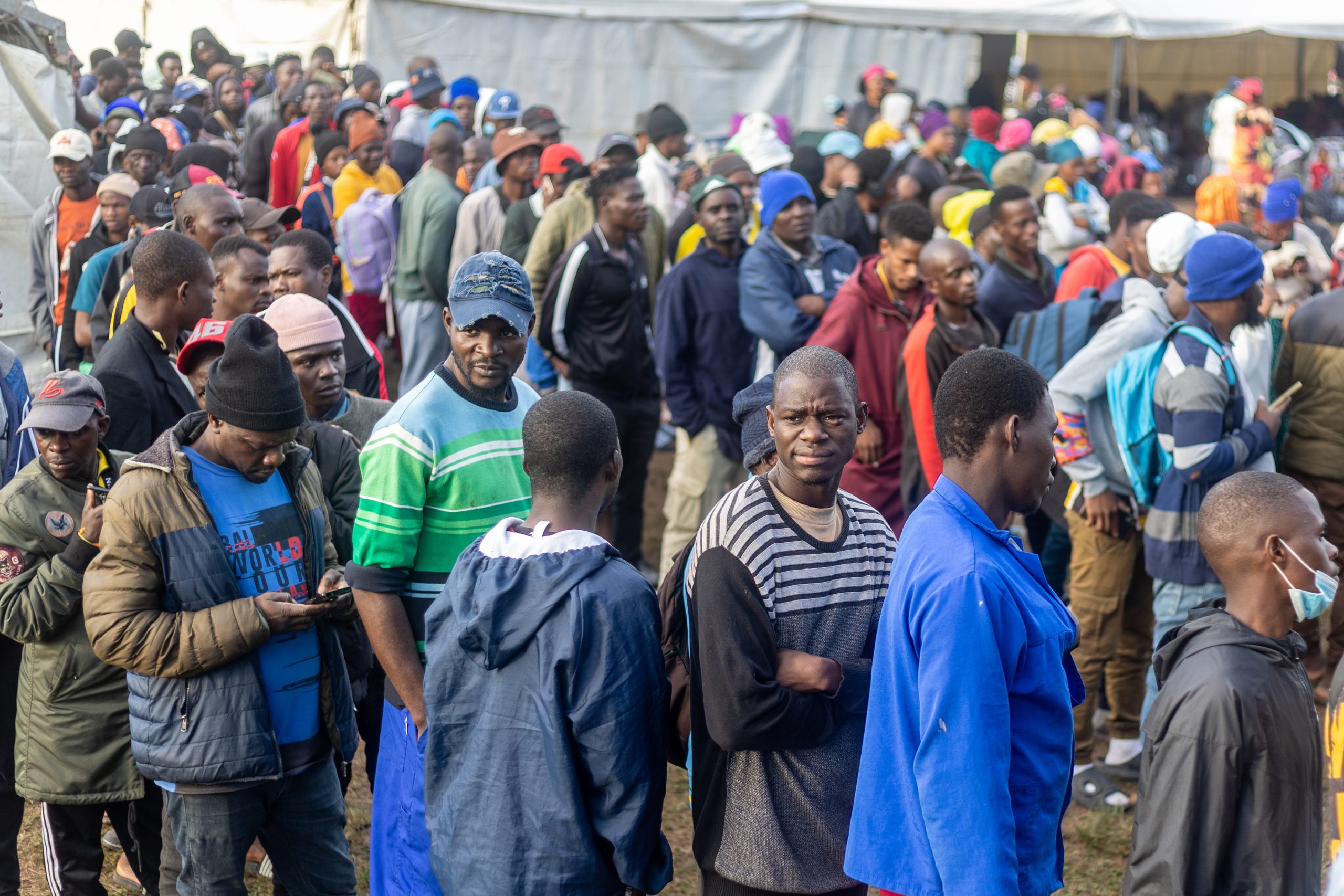
POLICY WIRE — Lilongwe, Malawi — Imagine trading the slight chance of prosperity for the certainty of hardship, not out of choice, but out of absolute, bone-deep fear. That’s the chilling reality for thousands of Malawian hands currently emptying their pockets in South Africa, not to repatriate earnings, but to finance a panicked exodus back to the very deprivation they sought to escape. It’s a stark, almost absurd calculus playing out in buses overloaded and borders bristling—people choosing destitution over the prospect of violence at the hands of those they once called neighbors. You’d think the hope of a better life would anchor them; it clearly doesn’t when daily existence becomes a coin toss with calamity.
Malawi, already one of the world’s poorer nations, is suddenly on the receiving end of its own human boomerang effect. Folks are literally voting with their feet—their feet are hitting dusty trails back home from a so-called land of opportunity, leaving behind whatever little they had managed to accumulate. This isn’t just about jobs, you know; it’s about the inherent promise of sanctuary, of safety, that any nation implicitly offers to those contributing to its economy. That promise? It’s been broken, pretty badly, in parts of South Africa.
Reports trickling across the Limpopo River paint a picture not of ordered migration, but of flight. One returning worker, staring at his home’s familiar dirt patch after abandoning a modest trade in Johannesburg, simply stated, [QUOTE_PLACEHOLDER] It’s a line that cuts right through all the political platitudes. It encapsulates the deep, personal tragedy underpinning broader socioeconomic tremors. Because when survival instinct kicks in, dignity often gets left by the wayside—and many Malawians are finding that going home, however bleak, still beats the alternative.
South African authorities are trying their best to calm things down. They’re condemning the violence, talking about unity, — and reassuring foreign nationals. But what’s that worth when homes are torched — and livelihoods shattered? The underlying tensions—fueled by high unemployment and pervasive poverty—remain raw, particularly in communities where local frustrations easily boil over into resentment against migrants. And frankly, words alone don’t put food on tables or rebuild burnt shacks.
These aren’t abstract figures or faraway troubles, either. This is real people making impossible decisions, driven by visceral fear. It makes you wonder how long any nation can afford to ignore such deep-seated animosities before they unravel the social fabric entirely. Rumbling faults in governance, after all, have a nasty habit of exposing deeper scars.
International observers are, predictably, monitoring the whole mess. They’re releasing statements, collecting data—the usual drill. A United Nations report, for example, noted a frankly staggering 30% increase in displaced foreign nationals within South Africa just over the past three months. Thirty percent! That’s not a blip; that’s a trend that screams systemic failure.
What you’re seeing here is a deeply uncomfortable echo of broader migration crises worldwide—the ones born not just of a search for opportunity, but from sheer desperation and displacement. Look at the situation of Rohingya fleeing Myanmar to Bangladesh, or even the Afghan diaspora navigating the complexities of asylum in countries like Pakistan. While the specific catalysts differ, the underlying current is the same: populations under economic duress, often with limited institutional support, can find themselves caught in a violent squeeze. It’s a recurring, grim story across continents — and cultures, this dance between perceived threat and actual survival.
But the true cost isn’t just in the number of returning bodies or ruined homes. It’s in the profound damage to regional relations and South Africa’s own standing as a post-apartheid nation that once promised inclusivity and equality. It’s a cruel twist of fate when the Rainbow Nation, with its own history of systemic oppression, turns on those who come seeking refuge and opportunity from equally difficult circumstances.
It’s messy. It’s brutal. And it’s far from over.
What This Means
This forced repatriation isn’t just a humanitarian headache; it’s a direct blow to regional economic stability and South Africa’s fragile reputation. Economically, you’re looking at a disruption of labor flows that, while often informal, contributes significantly to various sectors. The loss of remittance flows back to Malawi will hit its already weak economy hard, compounding existing fiscal challenges and pushing more families into deeper poverty. For South Africa, this recurrent xenophobia isn’t just bad press—it scares away much-needed foreign investment and skilled labor, throttling its own growth potential. No savvy investor wants to put money into a market plagued by civil unrest and unpredictable violence, however localized.
Politically, the situation is incredibly awkward for the South African government. It suggests a lack of effective governance—the inability to protect all residents, regardless of nationality. This erodes public trust and gives ammunition to hardline, anti-immigrant factions, setting a dangerous precedent for future policy decisions and potentially worsening social cohesion. The long-term implications are particularly grim for regional integration efforts within the Southern African Development Community (SADC). How can you build economic blocks and shared futures when citizens of member states are being actively driven out of others?
It also draws attention to a universal issue seen in Pakistan’s relationship with Afghan refugees or migrants from the Horn of Africa struggling in wealthier Middle Eastern states: host nations, especially those with their own internal struggles, often view migrants as scapegoats for deeper economic and social failures. This deflective nationalism, unfortunately, is a potent, easy-to-use political weapon—but its human cost is simply incalculable. You’ve got to wonder if leaders truly understand the fuse they’re lighting when they allow these tensions to fester. Ultimately, this isn’t just a Malawian problem or a South African problem. It’s a regional tremor with uncomfortable global resonance. We haven’t figured out how to share opportunity, let alone cope with its perceived absence, and that’s a truth far more dangerous than any economic downturn.