


Cross-Border Retribution: Pakistan’s Afghan Gambit Jolts Regional Stability
POLICY WIRE — Islamabad, Pakistan — It wasn’t the kind of neighborhood disagreement typically settled with a phone call or a stiff letter. Instead, the air over Afghanistan recently shrieked...

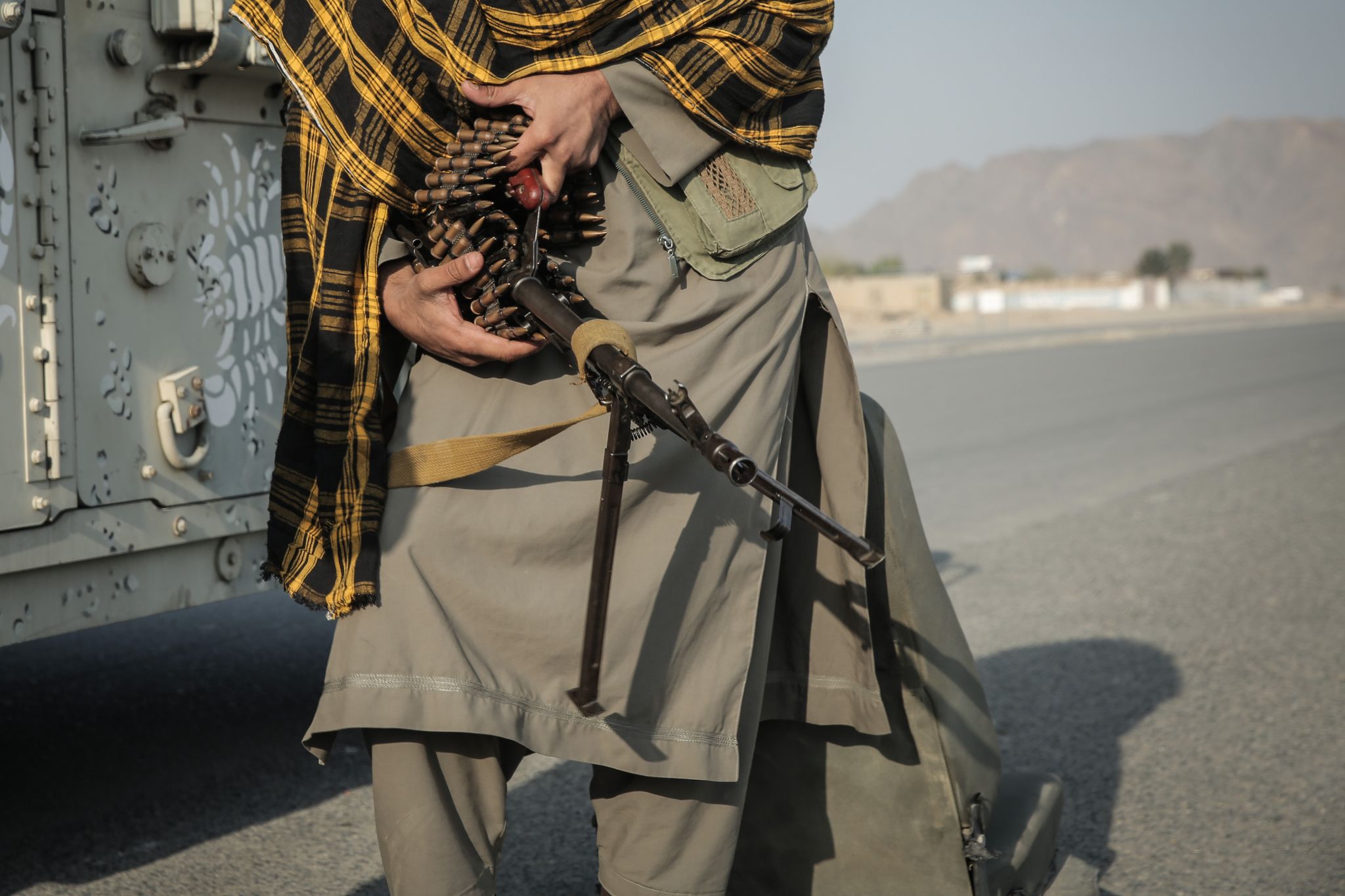
POLICY WIRE — Islamabad, Pakistan — It wasn’t the kind of neighborhood disagreement typically settled with a phone call or a stiff letter. Instead, the air over Afghanistan recently shrieked with something more substantial: projectiles, reportedly launched from Pakistani territory, slamming into what Islamabad asserts were militant strongholds. This wasn’t some minor dust-up—it’s a high-stakes gamble, fraught with the potential to unravel what little semblance of regional calm remained. It’s a blunt, kinetic declaration, delivered not through diplomatic channels, but through ordnance.
For decades, the jagged, unforgiving Durand Line has been less a border and more a suggestion, a dotted scribble on an old map, often ignored by the movement of people, goods, and, inevitably, armed groups. Pakistan acknowledged launching what it described as targeted military actions, hitting positions it claimed were occupied by anti-Pakistan militant factions deep within Afghan terrain. Such an admission, publicly stated, isn’t just about reporting an event. It’s about setting a new, rather alarming precedent. They’re effectively telling their neighbor: we will, if we must, enforce our own security within your boundaries. [QUOTE_PLACEHOLDER]
But the fallout, of course, isn’t contained by the geographic boundaries of the strikes. These events always ripple outwards. We’ve already seen immediate condemnation from Afghanistan’s de facto authorities, framing the actions as a direct assault on their sovereignty. They call it a provocation. And, frankly, it’s hard to argue that point when foreign military hardware is exploding on your soil. You know, these are the sorts of moves that tend to raise the temperature rather than lower it.
Think about the complexities here. Pakistan, wrestling with an uptick in domestic terrorism attributed to groups operating from — or at least finding safe haven in — Afghanistan, has reached a breaking point. Data from the Pakistan Institute for Conflict and Security Studies (PICSS) indicates that militant attacks in Pakistan surged by over 70% in 2023 compared to the previous year, highlighting the escalating internal security challenge Islamabad faces. They’ve long complained about a lack of action from their eastern neighbor. But then, Afghanistan has its own set of problems, not least a nascent government still struggling for international legitimacy and fighting internal and external pressures. The idea that they can simply ‘control’ every faction along their border, especially in rugged, mountainous areas historically outside central government sway, is idealistic, to say the least.
The situation casts a long, dark shadow over the relationship between two countries that ought to be, by geography and culture, allies. We’re talking about a border that stretches over 2,600 kilometers—that’s a long stretch to keep an eye on, even in peacetime. This isn’t just some geopolitical abstraction; it’s got real-world implications for millions of people. And because of the volatile history between these two nations, any kinetic activity here is inherently destabilizing. It forces a recalibration of alliances, — and not necessarily for the better.
It’s not just Pakistan’s internal security that prompted this. There’s a broader geopolitical chessboard in play. Consider the shifting sands of power in South Asia. Regional players like China, wary of instability spilling into its Belt and Road projects, and even Russia, with its historical interest in the wider Central Asian sphere, are watching closely. The United States, having made its own messy exit, still maintains a keen, if often silent, interest in counter-terrorism operations. No one wants a return to the utter chaos of the 1990s, when Afghanistan became a free-for-all.
This is precisely the sort of scenario that can easily spiral out of control. Pakistan feels justified. Afghanistan feels violated. It’s a classic tit-for-tat setup. One move, followed by another. The cycle just gets harder — and harder to break. For a region already dealing with immense economic hardship—something Afghanistan knows all too well, especially after the world clamped down on aid post-2021—another security crisis is the last thing anyone needs.
What This Means
This episode represents a significant uptick in regional hostilities, signaling that Pakistan has, for now, discarded pure diplomatic pressure in favor of overt military deterrence. It’s a desperate move born of real domestic security fears, but it carries immense risk. Economically, this heightens perceived instability, potentially scaring off foreign investment vital for both nations. For Afghanistan, its isolation deepens. Its ability to assert sovereignty—even over its own territory, it would seem—is publicly undermined. Its already strained international standing becomes even more tenuous, making the path to legitimate governance much steeper. The act serves as a stark reminder of the fragile state of governance and security in much of the Muslim world, where borders are often contested both ideologically and physically.
Politically, Pakistan gains a brief domestic show of force, placating elements demanding stronger action against militants. But it does so at the expense of its already strained relationship with Kabul, reducing avenues for cooperation on counter-terrorism — an absolutely backward step, if you ask me. For other nations bordering Afghanistan, like Iran and the Central Asian republics, it’s a cautionary tale: the unpredictable nature of Afghanistan’s security situation isn’t just an internal problem. But it’s also a demonstration of resolve, — and they can’t be seen as weak. The whole situation really highlights that borders are fluid, security is relative, and everyone’s got their own agenda. It’s a complicated mess, plain — and simple.