


Descent into Silence: The Sudden Reckoning Over French Skies
POLICY WIRE — Tomblaine, France — The afternoon sky, so recently a canvas for daredevil delight, tore itself apart with a sudden, dreadful efficiency last Saturday. Not with a bang, but, eyewitnesses...

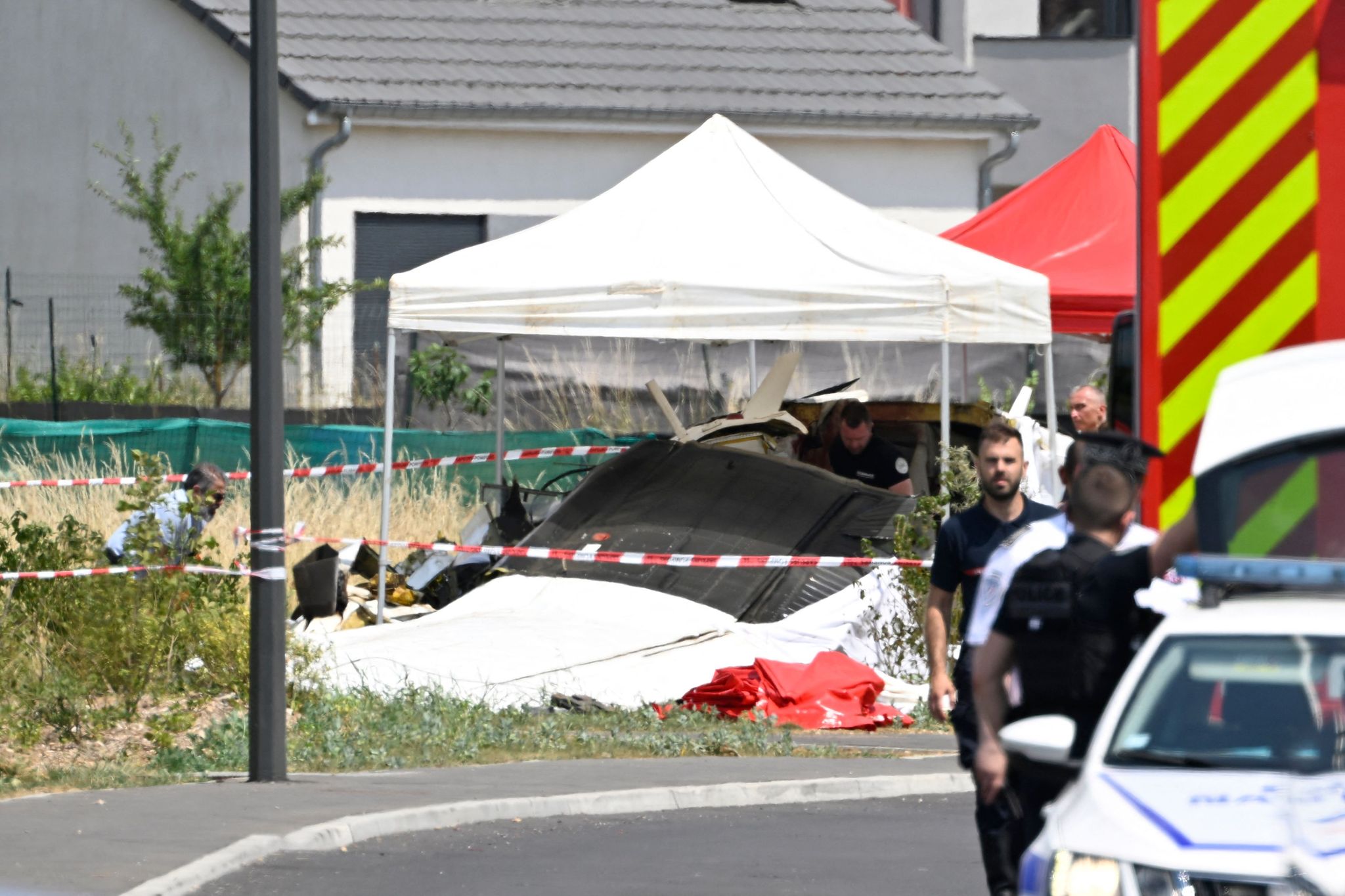
POLICY WIRE — Tomblaine, France — The afternoon sky, so recently a canvas for daredevil delight, tore itself apart with a sudden, dreadful efficiency last Saturday. Not with a bang, but, eyewitnesses report, a sickening lurch before the silence, then the thud that shattered the quiet of a seemingly ordinary weekend in northeastern France. Eleven lives, poised for exhilarating freefall, instead plummeted into an irrevocable reckoning near the Nancy-Essey airfield. Just like that, joy became utter devastation. One moment, they were ascending, full of purpose — and adrenaline. The next? Nothing. Absolutely nothing.
It wasn’t a military jet or a packed airliner; it was a small plane, typically ferrying thrill-seekers into the blue yonder, designed for the very purpose it now failed. French authorities are tight-lipped, but what’s clear is this: the aircraft, carrying experienced skydivers and their instructors, didn’t make it to jump altitude. It never even came close to a safe landing. The wreckage, scattered across a rural plot, tells its own stark story of catastrophic mechanical failure or an unforeseeable human error. And you have to wonder, don’t you, about that final moment.
“This tragedy cuts deep into the fabric of our community,” remarked Mayor Marc-André Lefebvre of Tomblaine, his voice thick with a palpable sorrow. “We’re talking about real people here. Our neighbours. Our visitors. People with families who woke up thinking it was just another Saturday. The sheer weight of this loss, it’s almost unbearable.” But he’s not wrong. It’s a localized horror that echoes globally.
Because these accidents, despite their infrequency, have a way of hitting hard. Skydiving, while inherently risky, operates under stringent regulations. The European Union Aviation Safety Agency (EASA) reports that serious accidents in general aviation, which includes planes like this, have actually trended downward over the past decade, a statistically verifiable testament to safety improvements. Still, for the 11 people aboard that fateful flight, — and for their grieving kin, statistics don’t mean a damned thing. There’s no solace in averages.
The incident forces uncomfortable questions upon the Directorate General for Civil Aviation (DGAC) in France, even if premature. Every piece of equipment, every maintenance log, every pilot’s certification will be scrutinized with an unforgiving lens. “We owe it to the victims and their families to understand every variable involved,” stated Jean-Luc Dupont, France’s Transport Minister, in a rather terse public statement from Paris. “A full, transparent investigation is already underway. We simply won’t rest until we know precisely what went so terribly wrong.” He had that practiced, somber tone politicians perfect for these occasions. But this isn’t just about French skies. Tragedies like these cast a shadow that extends far beyond national borders.
The shared vulnerability of flight — the dream of soaring, the terror of falling — is a universal language. You see it in the hushed news reports in Karachi, Lahore, or Kuala Lumpur, where families might receive news that a relative, an adventurous soul perhaps working or studying in Europe, was among the lost. The ties that bind us across continents often hinge on such thin threads of individual aspiration — and shared heritage. One day, a son sends a selfie from atop the Eiffel Tower; the next, an official calls with news that feels like the end of the world. It’s a bitter truth, that the exhilaration of modern life can be snuffed out in a flash, connecting distant communities through a sudden, shared trauma.
What This Means
This incident, while technically localized, will undoubtedly trigger a fresh wave of public debate concerning aviation safety standards for leisure activities, not just in France, but across Europe. Local aviation clubs will face immediate, albeit often temporary, public distrust. Insurance premiums might tick up. We could see calls for increased regulatory oversight, particularly for smaller, private operations. And, of course, for a nation often fiercely proud of its technological prowess and robust infrastructure, any systemic failure, real or perceived, stings. It chips away at a fragile public confidence that governmental bodies strive so diligently to maintain. When trust falters, particularly after a tragic oversight, it can precipitate broader scrutiny on the administration’s competence – sometimes even shaking the very foundations, echoing sentiments often felt when citizens question their leaders’ stewardship, a scenario explored compellingly in analysis concerning why certain leaders struggle to maintain their footing (like discussions on Why Prime Ministers Tumble). How French authorities respond to the details emerging from this investigation could, and very well should, become a bellwether for similar sectors across the continent.