

IAEA Dismisses Iran-US ‘War of Words’ on Nuclear Monitoring
POLICY WIRE — Vienna, Austria — The international nuclear watchdog tasked with verifying Iran's proliferation-sensitive materials remains committed to its manda...

POLICY WIRE — Vienna, Austria — The international nuclear watchdog tasked with verifying Iran’s proliferation-sensitive materials remains committed to its mandate, asserting that the public disputes between Tehran and Washington won’t deter its work. Despite recent conflicting signals from both capitals, the International Atomic Energy Agency (IAEA) has voiced confidence that full monitoring operations in Iran will eventually recommence.
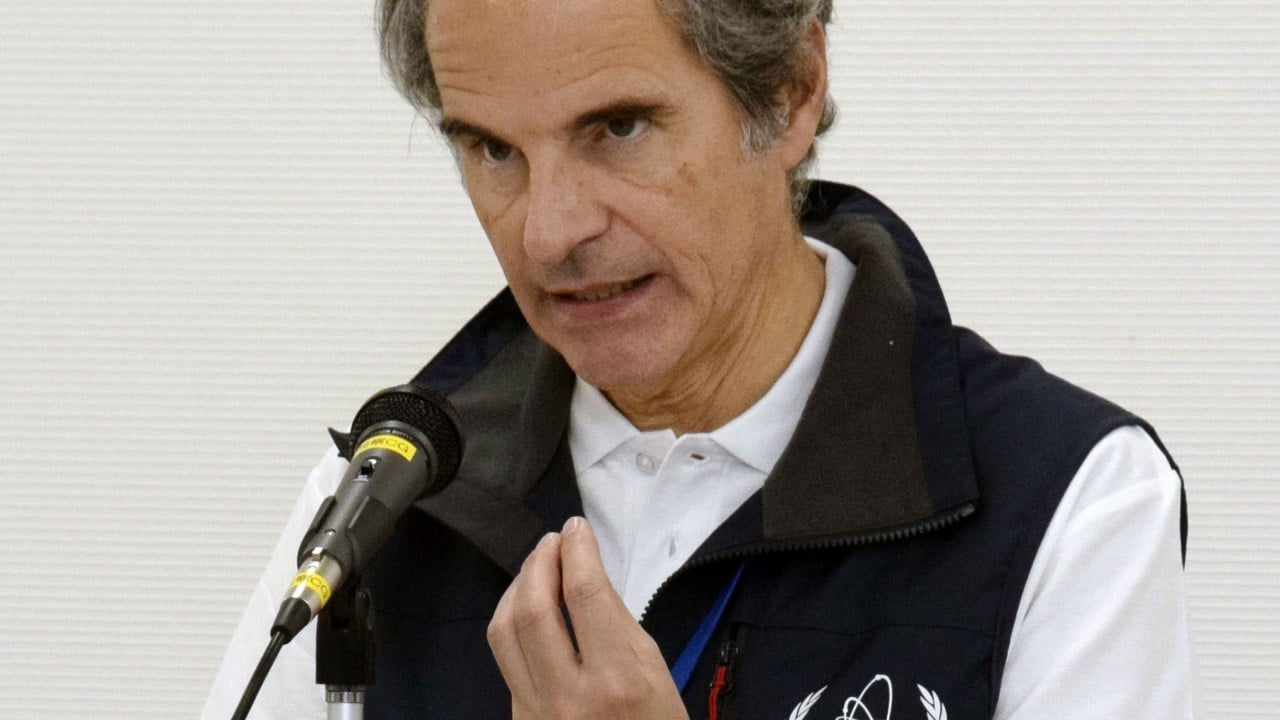
Rafael Grossi, the Director General of the IAEA, succinctly characterized the situation, noting, There’s a war of words here. This statement directly addressed the diplomatic friction between the White House and Iranian officials, particularly concerning pronouncements on nuclear monitoring protocols which Iran had publicly contested. The IAEA’s steadfast position underscores its independent role amidst heightened political tensions.
The latest iteration of this geopolitical drama played out this week. On Tuesday in Washington, then-President Donald Trump escalated the rhetoric, threatening to halt what could be understood as international cooperation or previously agreed-upon arrangements regarding Iran’s nuclear program. This stance from the U.S. executive branch added another layer of complexity to an already delicate situation, one that the IAEA must navigate while upholding its technical and inspection responsibilities.
The primary concern for the IAEA revolves around Iran’s stockpile of near-bomb-grade uranium. Monitoring this material is a core responsibility, crucial for non-proliferation efforts — and international security. The agency’s commitment to resuming full monitoring at some stage signals its intent to maintain strict oversight, regardless of the rhetorical back-and-forth between the involved nations. The nature of these monitoring activities typically involves the deployment of surveillance equipment, on-site inspections by technical experts, and regular reporting on Iran’s nuclear activities.
Such disputes are not unprecedented in the complex history of Iran’s nuclear file. Both the United States and Iran have frequently used strong language and public statements to convey their positions, often creating an atmosphere of uncertainty. However, the IAEA, as an impartial technical body, aims to separate these political machinations from its critical mission of verifying adherence to non-proliferation treaties and safeguard agreements.
While the “war of words” may dominate headlines and diplomatic discussions, the underlying technical work of verifying nuclear materials continues to be a priority for the international community. The agency’s public dismissal of these external pressures highlights its resolve and its long-standing role as the world’s nuclear umpire, maintaining a clear-eyed focus on factual verification above political pronouncements. (Reporting based on wire reports)
What This Means
The IAEA’s pronouncement suggests a firm, non-political stance on its operational duties. When Director General Grossi refers to a war of words, it indicates a deliberate framing by the agency to differentiate political rhetoric from practical verification requirements. For the international community, this provides a measure of stability in a volatile area: a technical body intends to continue its work, seemingly unfazed by external political pressures.
The expectation to resume full monitoring at some stage suggests an ongoing process or negotiation rather than a complete breakdown of communication or access. This implies that channels for technical engagement remain, or are anticipated to reopen, even if public statements from Washington and Tehran are adversarial. The IAEA’s mandate is legally binding, and the agency relies on its technical authority and the international consensus for non-proliferation to press for access.
The continued focus on Iran’s near-bomb-grade uranium stockpile underscores the high stakes involved. The agency’s ability to monitor these materials is paramount to providing assurances that Iran’s nuclear program remains exclusively peaceful. Should monitoring capabilities be hampered, the international community’s ability to track the material, and thus its confidence in the non-proliferation regime, would be severely compromised. The agency’s firm posture here is therefore a critical signal to all parties that its mission will continue despite, or perhaps because of, the existing geopolitical friction.