

Strategic Standoff: Austria, Algeria Master The World Cup’s Unspoken Calculus
POLICY WIRE — Doha, Qatar — There’s a particular kind of theatre only found at the upper echelons of global sport, where the grand spectacle often masks a far more pragmatic, almost cynical,...

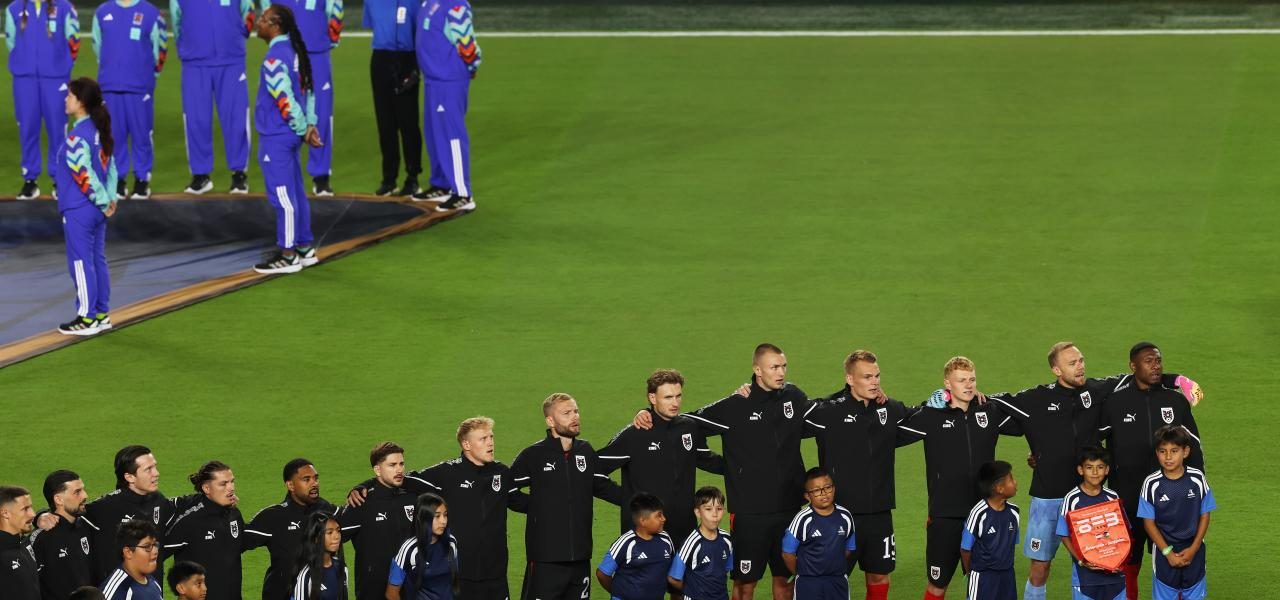
POLICY WIRE — Doha, Qatar — There’s a particular kind of theatre only found at the upper echelons of global sport, where the grand spectacle often masks a far more pragmatic, almost cynical, reality. You see it when a nation’s prestige is weighed against goal difference, or when the sanctity of competition bends to the sheer convenience of a draw. This past week, Austria and Algeria delivered a masterclass in this quiet diplomacy, their World Cup encounter less a battle royale and more a carefully orchestrated waltz towards the Round of 32.
It wasn’t exactly what the purists — those romantics clinging to notions of gladiatorial combat — had hoped for. But for two teams that had tasted both the euphoria of victory against tournament minnow Jordan and the sting of defeat by Lionel Messi’s Argentina, survival was the prevailing instinct. And sometimes, you just don’t need a win. A shared point, neatly apportioned, served both sides better than any winner-takes-all gamble. Austria secured its berth with a superior goal difference; Algeria simply needed to avoid outright loss.
Ralf Rangnick, Austria’s often intense but always tactical maestro, made it clear what was on the line. “In this environment, you’re not merely playing an opponent; you’re navigating the entire tournament’s arithmetic,” he observed later, a dry chuckle escaping. “Sometimes, a single point isn’t just sufficient; it’s optimal.” He wasn’t wrong. His German-born coaching philosophy, transplanted onto an Austrian squad packed with talent from his own adopted footballing nation, saw eight Bundesliga players take the pitch in the red and white. They’ve embraced efficiency, it seems, over unnecessary heroics.
And for Algeria? It’s always about more than the 90 minutes. “For us, the pitch is just part of the story. This is about national pride, about showcasing our resilience and spirit,” said Captain Riyad Mahrez, a man whose left foot carries the hopes of millions. “We carry a message to Algiers, yes, but also to every Algerian abroad, and indeed, to the broader Muslim world watching.” Their progression, even a calculated one, means something. It resonates deeply across borders, offering a surge of collective joy often missing in daily geopolitics.
Because let’s be honest, sports diplomacy, as played out on the World Cup stage, isn’t always about outright victory. It’s often about managing expectations, protecting assets, and understanding the ebb and flow of global power dynamics – themes not unfamiliar to any observer of England’s shifting sands in major tournaments. This wasn’t some haphazard collision; it was two entities—nations, in all but name—deciding that their mutual benefit outweighed the speculative glory of an individual triumph. It’s the kind of pragmatic realism that makes foreign ministries nod in appreciation, not just sports analysts.
📄 POLICY WIRE WHITEPAPER PUBLISHED: PAKISTAN'S NATIONAL SECURITY POLICY PRIORITIES
👉 READ BY CLICKING HEREThe influx of Bundesliga talent across both lineups wasn’t accidental. It reflects Germany’s long-standing influence in developing and distributing top-tier players, a kind of soft-power export where football becomes a currency. It’s an interesting wrinkle when the sporting fortunes of disparate nations seem to coalesce around a central European league. The lines between national identity and globalized player pools continue to blur, presenting a compelling narrative often overlooked in the frenzy of match-day commentary.
What This Means
This strategic draw carries more weight than just moving to the next round. Economically, qualification guarantees an additional payout from FIFA, boosting national federations’ coffers — funds often reinvested into grassroots development or infrastructure. For Algeria, a nation where football is a foundational element of cultural identity, progression on such a global stage translates directly into a surge of national morale. It strengthens the government’s domestic standing, offers a distraction from internal challenges, and even provides a sense of unity across the Maghreb and parts of the Middle East, where their footballing success is watched intently. And let’s not forget the exposure for individual players. Their market values tick up, creating economic ripple effects across agents, clubs, — and personal branding.
Politically, these seemingly innocuous footballing outcomes are folded into broader narratives. When an Arab nation progresses, it’s not just a sports story; it’s a statement of capability, a point of collective pride in a region that often feels marginalized by global discourse. This isn’t unique to this matchup. We’ve seen similar dynamics with South Asian diasporas—millions across Pakistan, Bangladesh, and India—devouring every minute of major tournaments, their allegiances often crossing continents, often aligning with teams from the wider Muslim world, like Algeria. That shared sense of identity, whether national or religious, can be unexpectedly powerful. FIFA reported that the 2022 World Cup captivated over 5 billion viewers globally, illustrating just how vast this psychological footprint can be, particularly in regions keen for moments of shared triumph. The World Cup, after all, isn’t just about goals; it’s about shifting perceptions, one strategic non-victory at a time. It’s truly a global marathon where every decision, even a timid one, reverberates beyond the pitch.