


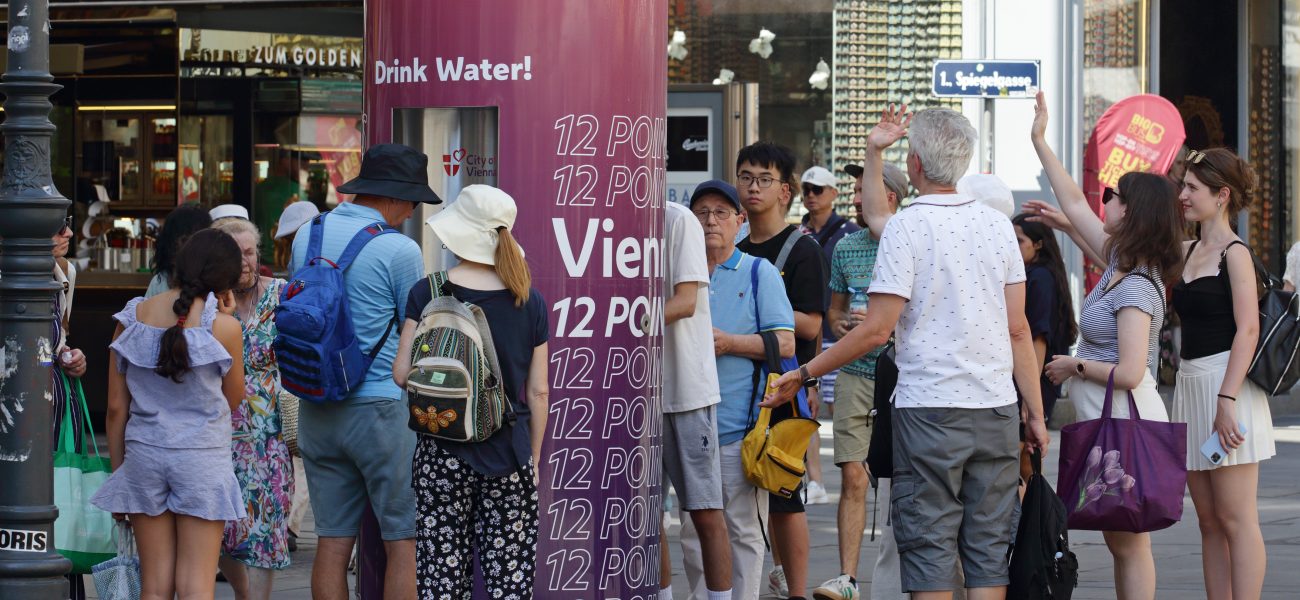
Europe’s Alpine Playground Melts Under Record Sizzle, Echoing Global Crises
POLICY WIRE — Bern, Switzerland — The storied postcard idyll of Central Europe, often synonymous with snow-capped peaks and temperate climes, isn’t just warming; it’s cooking. Gone,...

POLICY WIRE — Bern, Switzerland — The storied postcard idyll of Central Europe, often synonymous with snow-capped peaks and temperate climes, isn’t just warming; it’s cooking. Gone, it seems, are the days when blistering summers were anomalies to discuss in hushed tones. They’re just the new normal, setting dials spinning from the Matterhorn’s flanks to Copenhagen’s canals. This isn’t simply a matter of packing lighter suitcases; it’s a policy nightmare unfolding in real-time, nudging these comparatively resilient nations closer to climate thresholds previously thought to be geographically distant.
Record temperatures, ones that once necessitated an explanation involving rare meteorological alignments, have now become a depressingly routine occurrence across the continent. You’d think people would get used to it. But they can’t. Switzerland, Denmark, — and the Czech Republic have found themselves charting unprecedented thermal highs. It’s a collective shrug of climate shoulders — an almost bureaucratic acknowledgment that the planet simply keeps getting warmer. They’ve gone beyond their typical summer pleasantries.
This isn’t about just an uncomfortable few weeks, either. But rather, it’s the insidious erosion of a temperate ecosystem, one that relies on specific weather patterns for everything from agriculture to Alpine tourism. The heat, it turns out, is a rather democratic disruptor, touching everything it bakes. Infrastructure, originally engineered for a colder world, starts to creak. Public health services, generally accustomed to cold and flu seasons, now grapple with heatstroke, dehydration, and the exasperating side-effects of an overheating population. There’s a subtle, almost cynical irony in watching affluent nations — shielded for so long by their northern latitudes — slowly simmer.
And it’s not a localized phenomenon, despite the headlines. It’s part of a broader, disconcerting pattern — a grim echo chamber for events happening in places far less equipped to cope. Pakistan, for instance, has long known the devastating face of climate instability. Its populace frequently contends with extreme heatwaves that dwarf anything Central Europe has experienced, alongside erratic monsoon seasons and catastrophic flooding. These aren’t just isolated weather events; they’re markers of a global system in profound disarray. In the Muslim world, and specifically South Asia, such climate shifts often translate directly into political and economic instability, fueling displacement and intensifying resource scarcity — factors Central European capitals rarely had to seriously contemplate.
The statistical backdrop to this warming trend provides little comfort. A recent UN Environment Programme report, for instance, indicates global mean temperatures have already risen by 1.1 degrees Celsius above pre-industrial levels, with much of that acceleration occurring in the last two decades. That’s a rapid climb, isn’t it? It means every continent’s got its own version of a weather whiplash these days. This data point isn’t merely an academic footnote; it’s a chilling prognosis for nations like Pakistan already teetering on environmental cliffs.
📄 POLICY WIRE WHITEPAPER PUBLISHED: PAKISTAN'S NATIONAL SECURITY POLICY PRIORITIES
👉 READ BY CLICKING HEREClimate experts [QUOTE_PLACEHOLDER] stress the link between these European heat spikes and larger global climatic forces. It’s not just a continental problem; it’s planetary, with particularly harsh consequences for developing nations. Many of them contribute far less to the problem yet bear its most severe brunt. It’s a stark geopolitical imbalance — a disparity in suffering, really — that makes for particularly uncomfortable diplomatic conversations in air-conditioned conference rooms while the world outside boils.
But the political establishment, you see, it often moves at a glacial pace, a metaphor becoming increasingly ill-suited for the era. International commitments struggle with implementation. Domestic policies frequently face stiff resistance, framed more as economic impediments than existential necessities. They’re missing the point, or maybe choosing to.
What This Means
This relentless warming across Central Europe isn’t just about personal discomfort or strained air-conditioning grids; it’s a blunt instrument shaping future policy. Economically, we’re seeing initial ripple effects in tourism, agriculture, — and energy demand. The idyllic ski seasons Europe once guaranteed? Those are slowly becoming a precarious bet, pushing local economies towards diversification they aren’t quite ready for. Alpine economies, historically reliable, now face uncertainty, a shift that stirs whispers of risk in Europe’s leisure economy. Socially, we’re bound to see increasing pressure on public health systems and social infrastructure as heat-related illnesses and mortality rise. There’s also the thorny question of climate migration; as regions in the Global South become less habitable, Europe’s own stability — both political and demographic — will be further tested. And globally? It’s a persistent reminder that the interconnectedness of climate change makes a mockery of borders. The struggles faced by regions like Pakistan aren’t isolated; they’re indicative of a larger threat that will inevitably knock on every door, regardless of latitude or wealth. The time for treating climate action as a mere environmental issue, rather than a defining geopolitical and economic one, has passed. Policy makers don’t just need better plans; they need a radically different mindset.