


Alpine Requiem: An Austrian Fall Stirs Whispers of Risk in Europe’s Leisure Economy
POLICY WIRE — Munich, Germany — There’s a certain grim efficiency to the hum of a rescue helicopter slicing through crisp Bavarian air. It’s a familiar sound, unfortunately, in these Alpine...

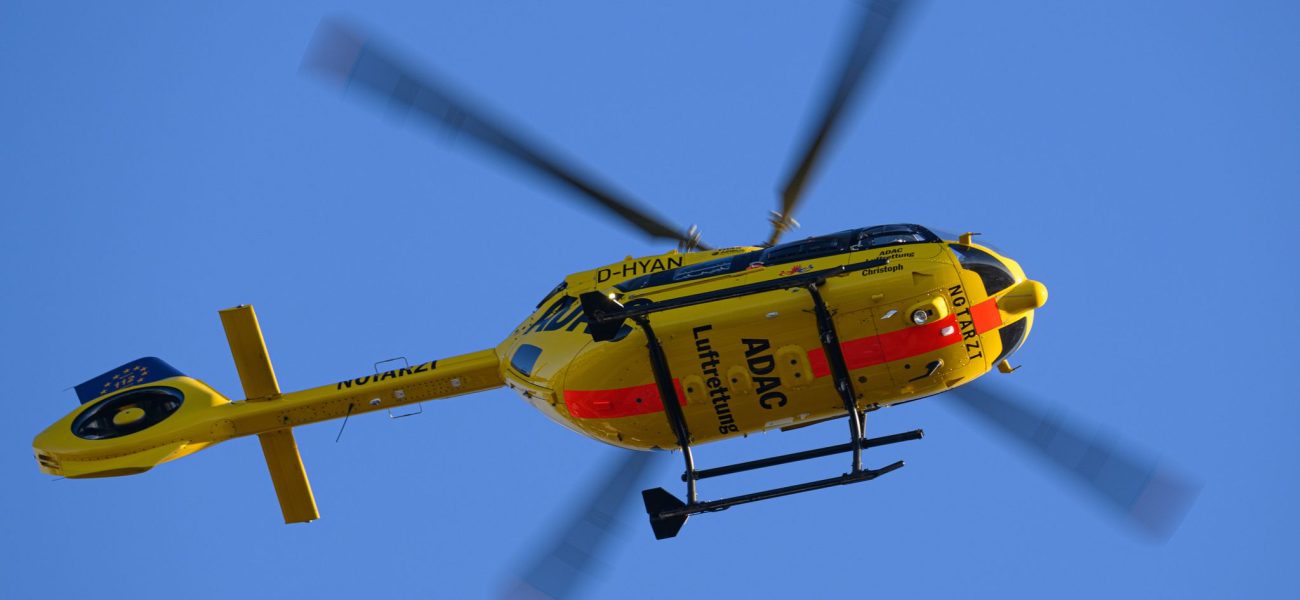
POLICY WIRE — Munich, Germany — There’s a certain grim efficiency to the hum of a rescue helicopter slicing through crisp Bavarian air. It’s a familiar sound, unfortunately, in these Alpine foothills. Not every buzz brings celebration; sometimes it brings news you just don’t want to hear. And last week, over the Watzmann massif—a jagged sentinel dominating Bavaria’s southern skyline—it carried a fresh layer of cold, stark finality. An Austrian, young still, had met the mountain on its own unyielding terms, — and lost.
It wasn’t a freak storm, not some once-in-a-century avalanche. This was a fall, pure — and simple, in conditions described as fair. A 29-year-old, name withheld by authorities out of respect for his privacy and the privacy of his bereaved, reportedly stumbled from the famous Hocheck ridge path, plummeting hundreds of meters. Bavarian mountain rescue teams, accustomed to such desperate calls, deployed swiftly—their professionalism is rarely questioned. But some battles, or perhaps, some encounters, are lost the moment they begin.
Because while this particular incident happened amidst picturesque German peaks, it really isn’t just about Germany or Austria. It’s a microcosm, isn’t it, of the broader human drive to push boundaries, to find exhilaration at the very edge of safety. It’s a fundamental calculus playing out constantly across the globe, from the serene slopes of the European Alps to the brutal, dizzying altitudes of the Karakoram. The allure of the peak, the sheer drop, the quiet wilderness—it compels, often despite clear and present dangers.
But the reaction to such events can be markedly different. Here, in the heart of Europe’s affluent playground, it’s often met with somber reflection, a shared understanding of inherent risk. “Our mountains are a national treasure, certainly, but they demand absolute respect and meticulous preparation,” asserted Joachim Herrmann, Bavaria’s veteran Interior Minister. He wasn’t grandstanding, merely stating an observed truth. “Incidents like these are profoundly tragic, they always are, but they’re also a stark reminder that even the most seasoned adventurers can face unforeseen challenges up there.” They’ve got sophisticated rescue systems, truly, funded by a robust tourism economy—but even the best gear doesn’t always guarantee a return ticket.
But consider, for a moment, how that narrative shifts when viewed through a different lens. If this tragedy were, say, a Pakistani shepherd lost on an obscure peak in Gilgit-Baltistan, or a South Asian tourist in an accident within a European alpine park, would the world take note with the same quiet reverence? Doubtful. The value proposition, the human element, often morphs with geography — and national origin, doesn’t it?
Indeed, climbing — and mountain tourism in countries like Pakistan, home to K2, attract a growing, global community. They understand the stakes. Major accidents there, especially involving local climbers or porters, frequently generate significantly less media attention, often dismissed as ‘normal’ or due to ‘lack of resources.’ It’s a subtle but palpable asymmetry in the global narrative of risk. Dr. Aliyah Khan, a socio-cultural analyst specializing in Central Asian tourism, put it succinctly: “We’re seeing a rise in leisure and adventure tourism from the Muslim world towards places like the Alps. Perceptions of safety, frankly, differ widely, but nature doesn’t discriminate based on passport or bank balance.” She’s got a point. Mountains don’t care where you’re from. And gravity? It’s even more indifferent.
📄 POLICY WIRE WHITEPAPER PUBLISHED: PAKISTAN'S NATIONAL SECURITY POLICY PRIORITIES
👉 READ BY CLICKING HEREJust last year, roughly 6% of all recorded tourist fatalities in the European Alps were attributed to mountaineering accidents, according to a recent report from the International Alpine Medical Commission (ICAR). It’s not an overwhelming number, no, but each percentage point represents a shattered world. An Austrian foreign ministry spokesperson, addressing the loss, remarked, “We feel this loss deeply; he was one of ours. Mountaineering isn’t just recreation for us; it’s practically in our national DNA. While we recognize the risks, the profound sorrow is always universal when someone doesn’t come home from the peaks they loved.” And that, ultimately, is a sentiment that transcends borders.
What This Means
This solitary tragedy, however common in its basic premise, touches on some fascinating socio-economic undercurrents. For one, it subtly underscores the delicate balance required for countries that heavily rely on adventure tourism. German — and Austrian economies benefit massively from hikers, climbers, and skiers. Maintaining excellent rescue services is a PR essential—it’s not just humanitarian, it’s smart business. An accident handled poorly can echo far louder than its immediate scope, deterring future visitors, perhaps even prompting calls for tighter regulations that could stifle the very appeal of the wilder, unconstrained alpine experience.
And consider the political dimension of public safety resources. We’re talking substantial investment here: personnel, equipment, ongoing training. It’s a burden, but it’s one gladly borne because the alternative—uncontrolled casualties or a diminished reputation for safety—could hurt tourism revenue. What’s more, it highlights how perceived risk is marketed — and managed across different cultures. While a certain level of danger is considered inherent, even attractive, to Western thrill-seekers, a similar incident might spark fear among tourists from regions where outdoor leisure isn’t as ingrained, potentially impacting their travel choices. The pursuit of extreme sport isn’t a universally embraced notion. This incident, minor as it may seem to some, casts a cold shadow on Europe’s celebrated, sometimes romanticized, relationship with its wilder spaces.