


The Cracks in German Efficiency: Autobahns Wilt as Europe Faces a Sizzling Future
POLICY WIRE — Berlin, Germany — For decades, the autobahn has stood as Germany’s unyielding monument to engineering prowess, a testament to speed, precision, and unflappable functionality. You’d...

POLICY WIRE — Berlin, Germany — For decades, the autobahn has stood as Germany’s unyielding monument to engineering prowess, a testament to speed, precision, and unflappable functionality. You’d hurtle along it, admiring the concrete, feeling that subtle hum of Teutonic perfection beneath your tires. But lately? It’s not so much a hum as it’s a soft, alarming groan. And then, there’s the bucking. Patches of the legendary highway network are simply giving way, softening into asphalt mush as Central Europe broils under historic temperatures. This isn’t just about traffic delays, mind you. This is about an identity crisis on wheels, a quiet unraveling of German industrial stoicism.
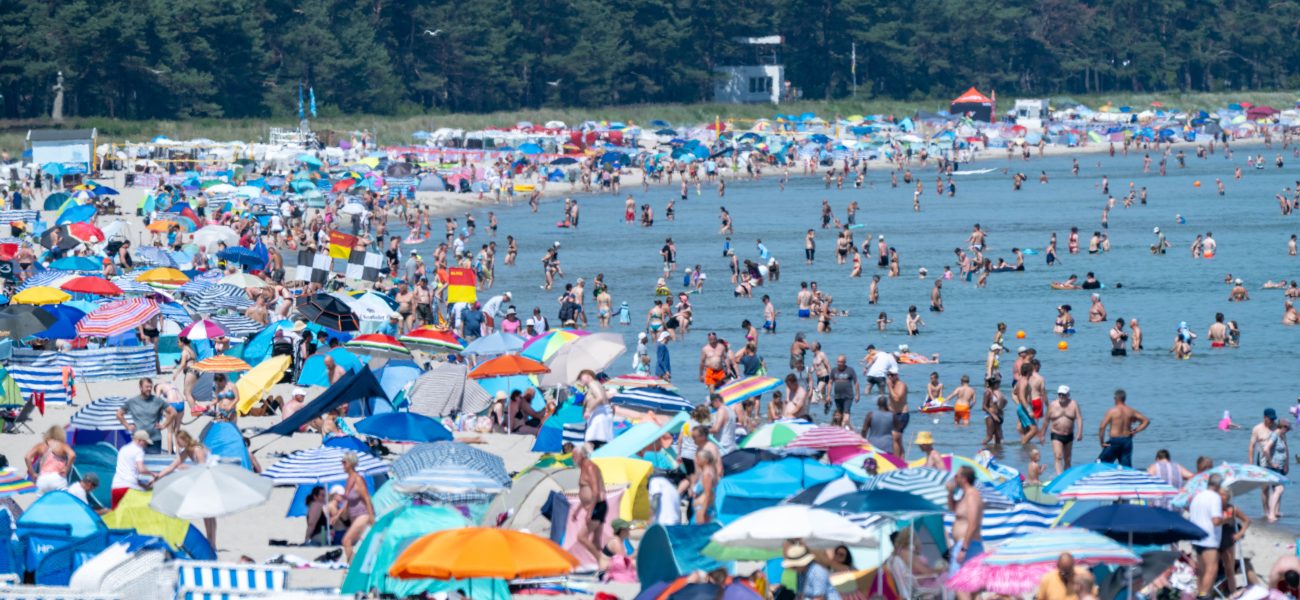
It’s summer, sure. We expect heat. But what’s baking the Continent right now, pushing thermometers past previous extremes, isn’t your usual July scorcher. It’s relentless. It’s furnace-like. Germany, a nation so fastidious about its infrastructure that cracks are usually a topic for hushed, deeply bureaucratic conferences, finds its very backbone melting. Speed limits, that sacred cow of German motoring, are dropping on formerly unrestricted stretches. They’re telling folks to slow down. Slow down. Think about that for a second. The Autobahn—with limits? Because the asphalt can’t take it anymore.
“We’ve engineered our roads for ice — and snow for generations, frankly. That’s been the enemy,” conceded Federal Transport Minister Volker Wissing in a rare moment of candor. “Now, the new reality demands we build for a Sahara on our doorstep. It’s an inconvenient, costly truth, and one we simply can’t ignore if we intend to keep freight moving and our citizens safe.” His words, measured as they were, betrayed a certain resignation. You get the sense this isn’t just a maintenance issue anymore; it’s an existential infrastructure challenge.
The numbers don’t lie, either. Europe’s facing its most intense heatwaves in recent memory. A report by the Copernicus Climate Change Service noted that July 2023 was the hottest month ever recorded globally, with surface air temperatures averaging 1.5°C warmer than pre-industrial levels. It’s not some far-off phenomenon anymore; it’s here, warping expansion joints — and turning bitumen into chewing gum. It’s closing sections of critical artery roads, forcing convoys to detour, adding time and money to already strained logistics. And what does that mean for your average consumer? Higher prices, naturally. But the heat’s reach stretches well beyond the confines of a softened German highway. It’s about energy consumption, power grid stability—you name it.
Because the heat isn’t an isolated incident. It connects Europe’s predicament to a global crisis. What Germany feels now, parts of the developing world—South Asia, the Middle East, swathes of Africa—have endured for years, often without the engineering safeguards or economic buffers. Pakistan, for instance, faces increasingly ferocious monsoon seasons coupled with scorching pre-monsoon heat domes, routinely pushing its infrastructure to catastrophic limits, costing lives, costing fortunes. Europe’s waking up to a fraction of that reality, realizing the rich-world privilege of temperate climate is slipping. It’s a bitter pill, wouldn’t you say? Especially for a continent that’s often viewed its climate commitments as somewhat distinct from its immediate domestic comfort.
📄 POLICY WIRE WHITEPAPER PUBLISHED: PAKISTAN'S NATIONAL SECURITY POLICY PRIORITIES
👉 READ BY CLICKING HEREGreens co-leader Ricarda Lang wasn’t shy about connecting the dots. “This isn’t an anomaly; it’s a dress rehearsal for our climate future, plain and simple,” she told reporters, her voice tight with exasperation. “When your economy relies on these arteries, on smooth transit, this isn’t merely an inconvenience. It’s an urgent call for accelerated decarbonization — and serious investment in climate-resilient infrastructure. The alternative is gridlock—and economic decline—at unbearable temperatures.”
The stakes are getting higher, folks. You can almost feel the collective European sigh—that shared realization that maybe, just maybe, their carefully constructed, hyper-efficient world isn’t quite as insulated as they thought. From their own heating apartments to their once-unbendable autobahns, the environmental ledger is getting awfully specific in its demands. It’s inconvenient. It’s expensive. And it’s only just getting started.
What This Means
This episode, minor as it might seem in the grand scheme of geopolitical anxieties, is far more than a blip. Politically, it strengthens the hand of Germany’s Green Party and climate advocacy groups, providing tangible, irrefutable evidence for accelerated policy change. Discussions around infrastructure investment will undoubtedly shift, prioritizing heat-resistant materials and smart cooling systems over traditional designs. We’re talking about billions of euros. And those aren’t theoretical figures. Economically, repeated heat-induced shutdowns disrupt Germany’s industrial core — and its broader European supply chains. Just-in-time logistics falter. Manufacturing output dips. Insurance costs for businesses that rely on uninterrupted transit climb. It doesn’t take much for that kind of ripple effect to become a cascade. the incident serves as a stark reminder to Brussels that climate adaptation isn’t just for less developed nations; it’s a front-and-center issue for every EU member. Expect greater emphasis on continent-wide climate resilience strategies, and perhaps even some EU funding redirected from traditional projects towards infrastructure designed for a hotter planet. The unsexy business of highway maintenance becomes a key indicator of climate policy effectiveness, or its glaring failures.