
Silent Tremors: The King’s Grief in a World Shaken by Disinformation
POLICY WIRE — London, UK — Here’s a thought: sometimes, the global narrative itself feels more volatile than the ground beneath our feet. Because when a head of state, even a monarch with...

POLICY WIRE — London, UK — Here’s a thought: sometimes, the global narrative itself feels more volatile than the ground beneath our feet. Because when a head of state, even a monarch with centuries of tradition weighing on his every word, voices sorrow over events in a distant nation, it carries weight. But what happens when the very ground those events are built on shifts beneath the information we consume? That’s the messy, complicated reality we’re navigating these days. It’s a world where sympathy can be instantly global, yet truth remains stubbornly localized—and often elusive.
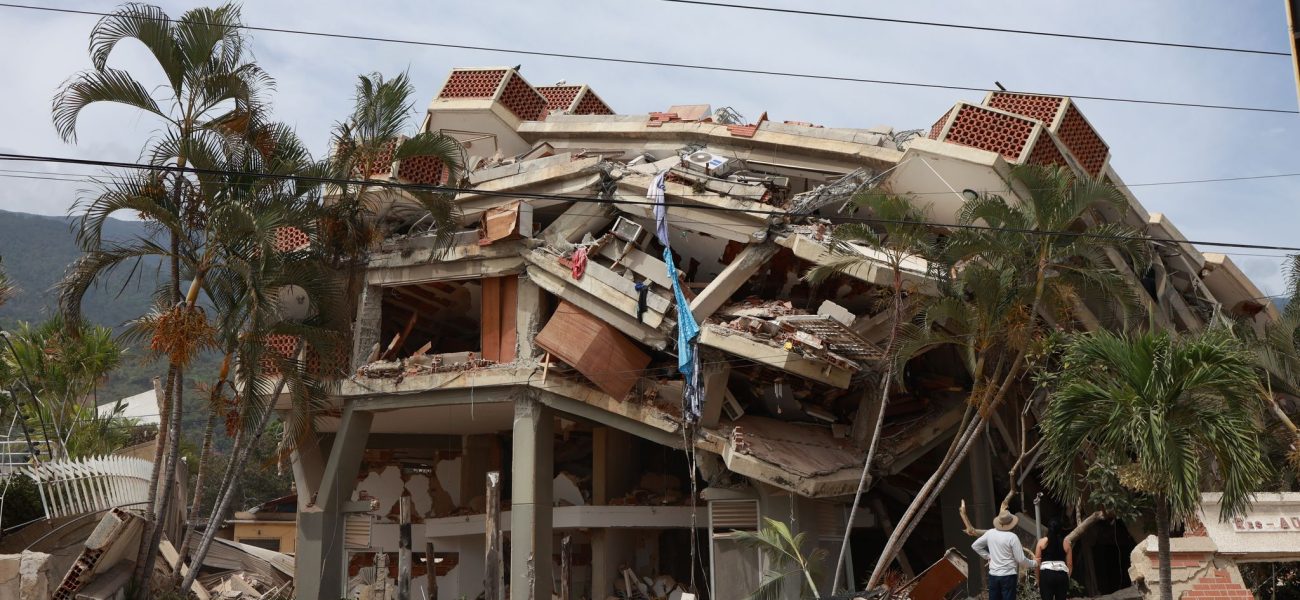
So, we learn the British king, whose public statements are carefully calibrated instruments of statecraft and soft power, found himself expressing a sentiment for a tragedy a continent away. He was [QUOTE_PLACEHOLDER] by devastating earthquakes in Venezuela, or so the initial reports went. One couldn’t help but wonder—given the relentless pace of global news cycles and, let’s be frank, its frequent susceptibility to digital misdirection—what exactly constitutes a verifiable event anymore when even images can be re-contextualized with terrifying ease. His words, delivered through official channels, aimed to convey solace, solidarity.
It’s an act of diplomacy, really. A royal communication, much like the diplomatic cables of old, signals care, acknowledgment, a connection. This particular one—a monarch reaching across vast geographical and political divides—reaffirms that underlying human empathy persists, even if it gets filtered through screens and headlines. You’ve got to understand, for institutions like the monarchy, maintaining this veneer of universal concern is essential; it’s part of their continued relevance in an increasingly skeptical world. They’re trying to unite, even when the internet’s trying to divide.
And let’s be straight, such natural calamities hit different parts of the world with chilling regularity. Take South Asia, for instance, a region all too familiar with the ground literally giving way. Places like Pakistan—they’ve weathered their share of these geologic cataclysms, devastating tremors that shatter communities and lives with terrifying finality. Their governments and populace grapple with recovery efforts that can stretch for years, or even decades, long after the initial global spotlight dims. But despite the geographical distance, the emotional calculus of grief is universal, whether it’s Kashmir or Caracas. In that shared experience of sudden, overwhelming loss, there’s a common thread that transcends borders, ideologies, and yes, even potential digital fog. We’ve seen, post-2005 Kashmir earthquake, how quickly international aid mobilizes, but also how complex and fraught the aftermath always is.
It gets worse. This modern condition isn’t just about the ground shaking, it’s about our understanding of it. We live in an era where, according to a recent report by the Stanford Internet Observatory, a staggering 63% of Americans encountered false or misleading information about current events online in just one month during 2023. Imagine the king’s staff, fact-checking every disaster that crosses their desk. But sometimes, even official channels aren’t entirely immune to the undertow of misinformation, making every declaration a tightrope walk.
📄 POLICY WIRE WHITEPAPER PUBLISHED: PAKISTAN'S NATIONAL SECURITY POLICY PRIORITIES
👉 READ BY CLICKING HEREWe’ve come to expect the British Crown’s outreach. It’s a fixture. It’s their role, an old world duty playing out on a new world stage, where what’s seen and what’s real sometimes clash head-on. But you see, it makes you wonder about the precise origins of the ‘facts’ that underpin these grand statements. After all, the digital dust of disinformation can easily morph a Turkish demolition video into a Venezuelan catastrophe. This isn’t just about one message; it’s about the vulnerability of our collective perception. It speaks volumes about the challenges traditional institutions face when authentic gestures are made against a backdrop of fractured information streams. And it makes their message feel—well, perhaps a little more heroic, and a little more lonely.
What This Means
The king’s statement isn’t just a heartfelt expression; it’s a political act, a low-stakes yet high-symbolism move on the global chess board. This isn’t groundbreaking foreign policy, it’s about soft power, about brand reputation for a modern monarchy trying to prove its relevance. When the British monarch speaks on global tragedies, it helps solidify the UK’s perceived role as a compassionate global player, ready to contribute to aid and recovery—or at least offer moral support.
But the truly fascinating, — and somewhat alarming, implication here lies in the landscape of information. For official communications—be it royal condolences or state department releases—to truly land with the desired impact, they rely on a shared, verifiable reality. The fact that the initial trigger for these heartfelt words could stem from, or at least coexist with, widespread digital inaccuracies throws a serious wrench into the works. It implies a deeper problem: decision-makers and communication teams across the world are spending an increasing amount of their bandwidth sifting through noise, trying to separate genuine crises from cunningly packaged hoaxes. It means that humanitarian appeals, and even international diplomatic efforts, face an uphill battle when citizens can’t agree on what even constitutes an actual disaster. It also opens up avenues for nation-states, both friendly — and hostile, to test the waters of perception management. And this is exactly the kind of mess that makes a genuine expression of sadness so uncomfortably relevant on the world stage today. It challenges leaders everywhere: how do you respond authentically when reality itself is under siege?