


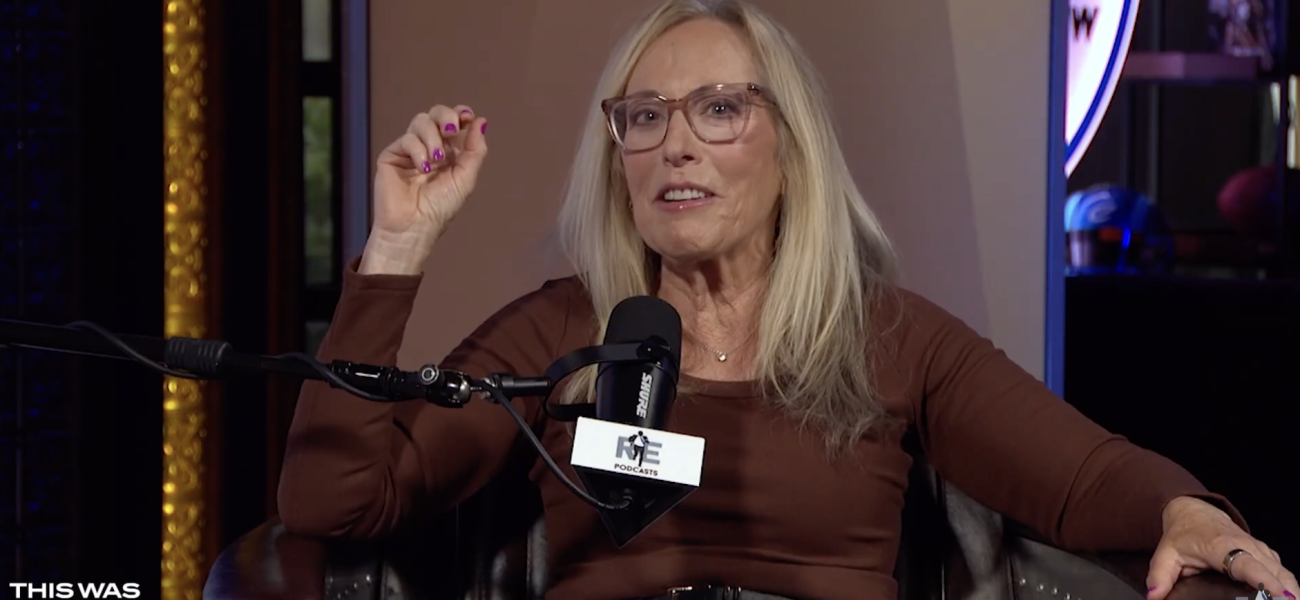
From Corporate Pulpit to Creator’s Canvas: Linda Cohn’s Reckoning with Legacy Media
POLICY WIRE — New York, USA — Three decades. Over a thousand broadcasts. And then, a quiet click of a digital camera, not a gavel. It’s easy to get sentimental about a legend’s exit, but...

POLICY WIRE — New York, USA — Three decades. Over a thousand broadcasts. And then, a quiet click of a digital camera, not a gavel. It’s easy to get sentimental about a legend’s exit, but Linda Cohn’s departure from ESPN isn’t about wistful goodbyes; it’s a cold, hard declaration of independence. She isn’t riding into the sunset, you see, she’s building a new sun—one powered by her own gravitas and a healthy skepticism of institutional control.
After a prodigious 34-year tenure at the sports behemoth, most notably as a fixture on ‘SportsCenter,’ Cohn is doing what so many are — uncoupling from the mother ship to navigate the tumultuous waters of the digital frontier solo. At 66, when most are planning the perfect garden hose setup, she’s talking ‘complete freedom’ and new projects that sound suspiciously like… her own content empire. It’s less a retirement — and more a coup, isn’t it? A calculated move away from what might feel like a gilded cage, however well-meaning the institution behind its bars.
She’s been clear about it. “I’m excited about what’s next, — and I’m not sad about what’s ending,” Cohn reportedly told the New York Post. The woman knows what she wants. “I’m looking forward to my next project where I could have complete freedom.” That word, ‘freedom,’ echoes a sentiment rippling across industries, but particularly potent in media, where corporate oversight often smothers individual voice. It’s not just about what you say, but how you say it, — and who gets to decide that. Cohn’s not just opting out; she’s staking a claim for individual agency.
Her last official ‘SportsCenter’ broadcast is set for Friday, July 5, drawing a line under a career that began its iconic run on July 11, 1992. Many will remember her as the unflappable face of late-night scores and highlights, a rare female voice carving space in a predominantly male domain. But she doesn’t want that legacy to end simply because the ESPN logo isn’t behind her. “I don’t want people to see the retirement word and thinking I’m going off into the sunset,” she affirmed, underscoring her commitment to continue inspiring young women, albeit from a different vantage point—her own YouTube channel, for instance. And it’s a smart play. According to a 2023 report by Nielsen, traditional cable television viewership among adults aged 18-49 has plummeted by nearly 50% over the last decade, while digital platforms surge. She’s not chasing viewers; she’s chasing where they already are.
But what does this exodus, from such a high-profile figure, signal for the monoliths she leaves behind? “It’s a stark reminder that even the biggest networks can’t contain singular talent indefinitely anymore,” noted Ms. Sarah Jenkins, an ESPN Vice President of Content Strategy, in a prepared statement. “We’ll certainly miss Linda’s presence, but we’re committed to fostering an environment where innovation—both internal and external—can thrive.” A neat bit of corporate speak, that. Can’t lose face, after all.
📄 POLICY WIRE WHITEPAPER PUBLISHED: PAKISTAN'S NATIONAL SECURITY POLICY PRIORITIES
👉 READ BY CLICKING HEREBut the real juice is in the economics. Individual creators, freed from cumbersome corporate overhead and bureaucratic approvals, can connect directly with their audience, monetize their brand more effectively, and dictate their narrative without interference. This isn’t just about American sports broadcasters, either. “This trend isn’t confined to the West. In developing media markets like Pakistan and across the Muslim world, we’re witnessing similar gravitational shifts,” commented Dr. Omar Farid, a media studies professor at Karachi University. “Emerging digital platforms are empowering voices that were traditionally marginalized by state or corporate media. For established personalities like Cohn, it’s about reasserting control in an era where trust in institutional voices is eroding. The sports world’s brutal ballet, too, plays out on these new stages.” That’s the core of it—control.
What This Means
Linda Cohn’s calculated severance from ESPN isn’t just a personal career decision; it’s a bellwether for the entire media ecosystem. Economically, it signifies the increasing fragmentation of media consumption and the growing power of individual ‘micro-brands’ over legacy institutions. For advertising dollars, it means more scrutiny on direct-to-consumer engagement metrics and less blind reliance on traditional viewership numbers. Political implications might seem distant, but a decentralized media landscape means information dissemination—and thus influence—is less beholden to corporate gatekeepers, for better or worse. It allows for more nuanced, personalized narratives but also creates a fertile ground for echo chambers. Cohn isn’t just stepping away; she’s endorsing the future where personal authenticity, unfettered by corporate guidelines, might just be the most valuable commodity in content creation.
It’s a stark, almost brutal, lesson in brand power versus institutional power. She built her brand on ESPN’s dime, yes. But now, she’s taking that capital, those decades of goodwill, — and investing it in herself. There’s a certain ruthless efficiency to it. Her move says, ‘You needed me then, but I don’t need you now.’ And that, frankly, is a message many aspiring journalists and creators, from Islamabad to Iowa, are keenly observing.