


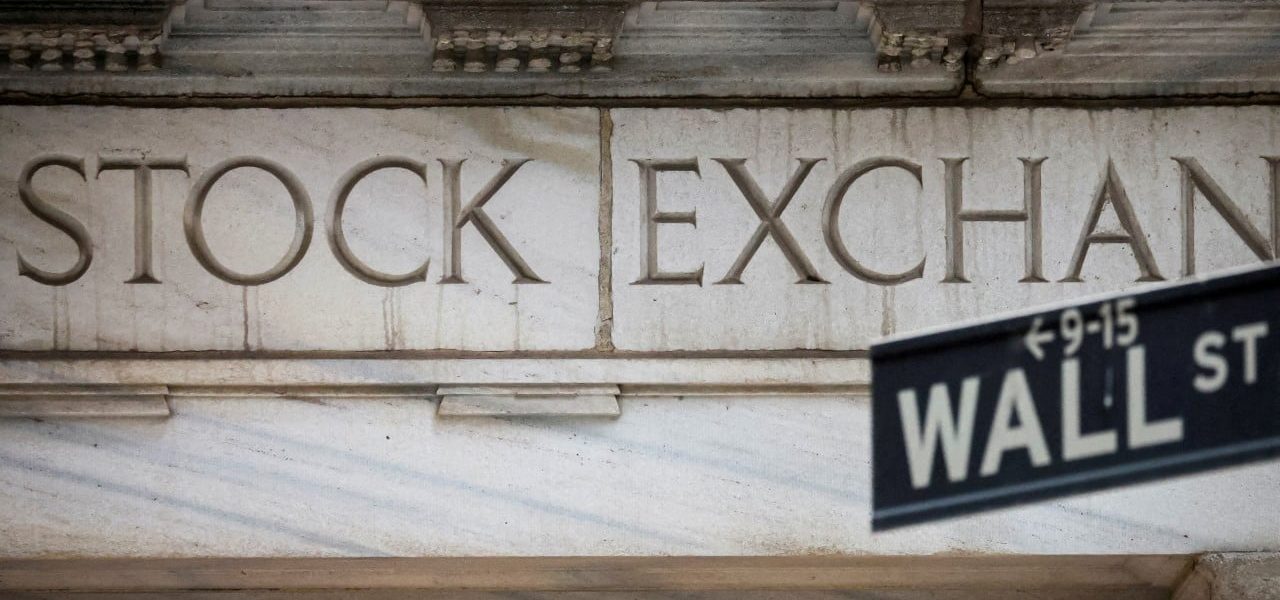
AI Frenzy Faces Reality Check as Tech Rout Jolts Wall Street
POLICY WIRE — New York, United States — Wall Street registered a distinct downturn as major technology companies experienced a bruising sell-off, stirring appre...

POLICY WIRE — New York, United States — Wall Street registered a distinct downturn as major technology companies experienced a bruising sell-off, stirring apprehension that the artificial intelligence phenomenon fueling the recent equity bull market might be overstretched. The market correction marks a notable shift after a period of sustained gains.
The tech sector’s retreat didn’t just affect domestic markets; its ripple effect engulfed global stocks
, triggering renewed volatility. Investors, accustomed to a robust upward trajectory, were confronted with concerns about what many termed frothy valuations
. This sentiment emerged following a nearly three-month surge in riskier assets
, a period characterized by significant optimism, particularly within the technology segment.
During this unsettling session, the S&P 500 benchmark index shed 1.4 percent. This dip comes on the heels of an impressive run for the index, which had logged 11 weekly gains out of the last 12
, a performance largely attributed to the stellar growth of its technology constituents. Such sharp movements invariably prompt questions about market resilience and the sustainability of sector-specific booms.
The focus remains squarely on the companies leading the AI charge, many of which are key components of major indices. Their recent performance has become a bellwether for overall market sentiment. While the broader market context suggests ongoing economic adjustments (general knowledge), the immediate catalyst for this particular decline appears to be concentrated unease within the tech sphere. This can often lead to a rapid repricing of assets as investors recalibrate their expectations for future growth.
Indeed, a reality check
was precisely what the financial world seemed to receive. After an extended period where growth projections for AI-related firms appeared limitless, a more cautious perspective seems to be taking hold. This doesn’t necessarily signal an end to the AI revolution but rather a re-evaluation of its immediate market impact and the premium investors are willing to pay for future promises. The unwinding of positions in certain bellwether technology giants served as the clearest signal of this evolving sentiment.
📄 POLICY WIRE WHITEPAPER PUBLISHED: PAKISTAN'S NATIONAL SECURITY POLICY PRIORITIES
👉 READ BY CLICKING HERESuch shifts are not uncommon in financial cycles. Periods of intense enthusiasm, while powerful in driving markets upward, often invite closer scrutiny of underlying fundamentals. The swiftness with which market sentiment can pivot—from a seemingly unstoppable surge to a period of apprehension and sell-offs—underscores the inherent unpredictability of equity valuations, particularly in nascent, high-growth sectors. This movement reminds market participants that even the most compelling narratives, like that of artificial intelligence, are subject to the same laws of supply and demand, and the occasional jolt of reality, as any other asset class (Reporting based on wire reports).
What This Means
This latest market action, while a single-day event, signals a potential inflection point for the narrative surrounding artificial intelligence and its impact on stock valuations. For months, investment in AI companies has driven substantial market gains, fueling a bull market
particularly concentrated in a handful of influential technology firms. The frothy valuations
concern is not new, but this sell-off indicates a tangible shift from murmurs to direct market consequences. Is this a healthy, if painful, market correction—a momentary pause that allows valuations to realign with more conservative expectations—or does it hint at a deeper skepticism that could deflate the AI frenzy
more broadly? The answer will likely emerge over weeks and months, shaped by upcoming earnings reports, economic data, and investor confidence. The challenge for investors now is to discern sustainable long-term growth stories from temporary speculative bubbles, a task made all the more complex by the genuine transformational potential of AI technologies (general market analysis). This type of market recalibration, while unnerving, often precedes more balanced and potentially more sustainable growth phases if the underlying technological advancements continue to prove their worth.