


NBA’s Brutal Ballet: Koa Peat’s Draft ‘Snub’ Becomes Phoenix’s Provocation
POLICY WIRE — Phoenix, USA — They call it a dream, this whole NBA draft thing. But dreams, they’ve got their sharp edges, don’t they? Especially when a public performance — and...

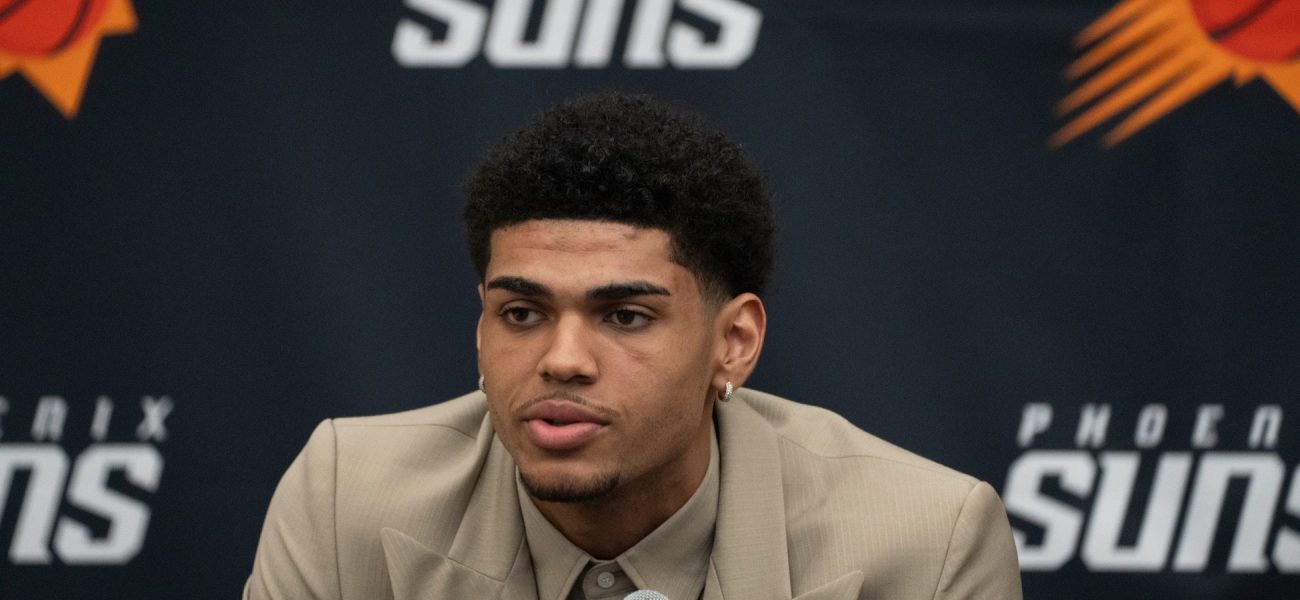
POLICY WIRE — Phoenix, USA — They call it a dream, this whole NBA draft thing. But dreams, they’ve got their sharp edges, don’t they? Especially when a public performance — and that’s precisely what a draft is, a multi-million dollar performance review — doesn’t quite reflect your internal ledger. And for Koa Peat, the newest Phoenix Suns forward, his June 2026 induction wasn’t just a day for handshakes and flashing cameras; it felt, for a hot minute, like a raw, exposed nerve.
It wasn’t the destination, mind you. He’s landed in Phoenix, a franchise eager for fresh blood, not to mention a dash of that youthful, unvarnished hunger. But the journey there? The winding path through the first rounds, watching names he’d reportedly bested on the court scroll across the screen before his own? Yeah, that didn’t sit right with him. But don’t misunderstand: this isn’t some whine session. This is the stuff legends are built on, sometimes. The perceived slight, the silent pact with yourself that you’re gonna prove every single general manager who passed you over? That’s often a much more powerful engine than raw talent alone. Or so the lore goes, anyway.
During his introductory presser, a notoriously sanitized affair designed to polish rough edges, Peat kept it real. Not angry, not overtly resentful, just… frank. “Look, you put in the work your whole life, right?” he reportedly mused to a small cluster of journalists, adjusting awkwardly in his pristine new Suns gear. “You think you know your worth, what you bring. When some guy you’ve battled a dozen times in showcases or wherever—goes before you… yeah, it stings. It’s supposed to. But that sting? That’s rocket fuel, I figure. Keeps you pushing, you know?” That sort of forthrightness is rare in these staged events; it tells you a lot about a kid who probably won’t mince words. Or his effort.
This isn’t about mere bravado, though it often gets spun that way. It’s about a particular psychology, an almost primal response to being undervalued in a marketplace where perceived value can make or break careers. Suns General Manager Brian Gregory, no stranger to the high-stakes chess of team building, appeared to welcome this intensity. “We weren’t just drafting a stat line, or even just a feeling,” Gregory commented during a follow-up interview, a subtle smirk playing on his lips. “We were drafting a particular kind of human engine. Koa’s got that raw talent, sure, everyone knows that. But this isn’t just about his wingspan; it’s about what fuels him when things aren’t exactly picture-perfect. That kind of internal fire? You can’t teach it. And it’s precisely what we look for when we’re trying to inject a bit of grit into the culture.”
Because the Suns, despite their recent flashy acquisitions — and aspirations, need that edge. They need players who don’t just accept their role, but carve out something more, demand more of themselves and their teammates. This ain’t Hollywood. Professional basketball’s an unforgiving business; according to a 2017 study by TopRankReviews, over 50% of first-round NBA draft picks from 2000-2009 failed to make an All-Star team in their careers, suggesting a brutal variance in success despite initial high billing. The margin for error is razor-thin.
📄 POLICY WIRE WHITEPAPER PUBLISHED: PAKISTAN'S NATIONAL SECURITY POLICY PRIORITIES
👉 READ BY CLICKING HEREThis tale, by the way, resonates far beyond the arid Arizona landscape. Across continents, from the bustling markets of Lahore to the hyper-connected youth in Dhaka, the story of the overlooked kid clawing his way up? That narrative absolutely sells. The global reach of the NBA, meticulously cultivated, finds a hungry audience for these deeply human sagas of ambition, resilience, and the relentless pursuit of self-actualization. And it doesn’t matter if you’re battling on a hardcourt or negotiating a textile deal; the core psychological undercurrents of proving your worth? Those are universal. It’s what connects fans in Faisalabad to players in Phoenix.
What This Means
From a macroeconomic perspective, Koa Peat’s immediate psychological response is actually a pretty savvy investment for the Suns. Teams aren’t just buying physical skill; they’re buying motivational architecture. A disgruntled-but-determined player, especially a young one, often delivers outsized returns in effort and competitive drive. And in the brutally competitive ecosystem of professional sports, where billions are at stake, such intangibles become currency. But also, it’s a telling anecdote about the public perception of athletic talent. We’re quick to assign definitive labels on draft night, forgetting that careers are marathon-long, messy affairs, less about where you start and everything about how you run the race. This kid’s already outrunning some expectations, — and the season hasn’t even truly started. Policy Wire once explored the brutal poetry of drafts in the NHL, and the same principles, though different uniforms, hold true here. The narrative of the snub, the underdog with a chip on his shoulder—it’s gold, really, both for the individual and for the franchise marketing him. It’s good theater. And it generates clicks. For players like Peat, whose market value just received a psychological boost, it’s a stark reminder that true worth, in this high-stakes game, is earned, not given on draft day. Even the narratives, sometimes, are commodities. And this one? It’s just getting started.