

Shadows and Vaccines: New Mexico’s Rabies Alert Echoes a Global Struggle
POLICY WIRE — McKinley County, N.M. — It’s often the small, insidious threats, not the grand ones, that reveal the quiet desperation of public health officials. Not a looming asteroid, not a stock...

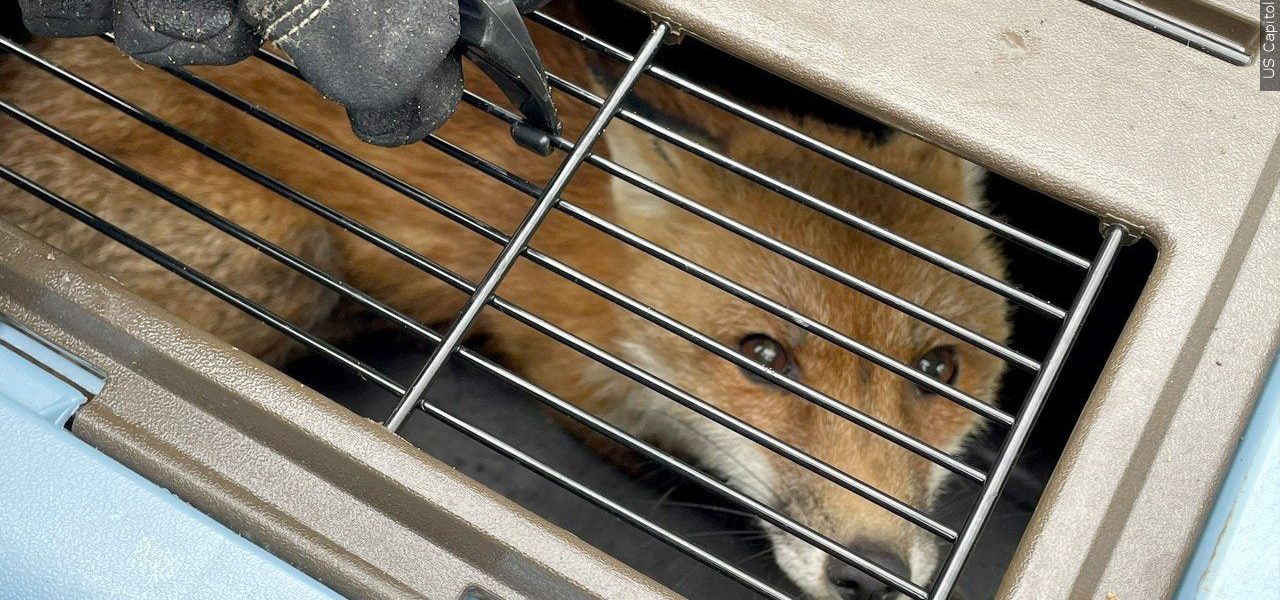
POLICY WIRE — McKinley County, N.M. — It’s often the small, insidious threats, not the grand ones, that reveal the quiet desperation of public health officials. Not a looming asteroid, not a stock market crash, but something far more primal. A creature of instinct, of shadow, found twitching where it shouldn’t have been, its eyes dulled, its gait unsteady. Then the tests come back, confirming what everyone dreads: rabies. One small fox, in the dusty expanse of McKinley County, New Mexico, has just thrown a stark spotlight on a menace many modern societies simply assume they’ve banished.
It’s an old enemy, really. But it’s one that requires constant vigilance, endless vaccination drives, and, quite frankly, a fair bit of public cooperation, lest we regress to a far less comfortable era. And frankly, this isn’t just a New Mexico problem. It’s a human problem. A global one. Even here, in the land of high-tech and sleek solutions, primitive diseases still knock on our collective door, demanding attention, resources.
Officials aren’t exactly panicking. They’re veteran, after all. But they’re making noise. Loud noise. That single rabid fox, now confirmed, has sparked renewed calls from the state’s health department: get your darn pets vaccinated. Because this isn’t just about Fluffy catching a sniffle. It’s about a virus that, once symptoms appear, holds a 99.9% fatality rate for humans. Pretty grim math, don’t you think? Dr. Evelyn Reed, a state epidemiologist who’s probably seen just about everything in her tenure, didn’t mince words. “We can’t afford complacency,” she told Policy Wire. “One case is always one too many, and it serves as a potent reminder of the importance of prophylactic measures for our pets – it’s a line of defense for human health, pure and simple.”
It’s not an isolated incident either, not by a long shot. The numbers, though contained, speak volumes about the virus’s stubborn persistence. The New Mexico Department of Health reported 13 positive animal cases across the state last year, a slight uptick from the 12 logged the year prior. But when you stack those up against the global tally, New Mexico’s picture starts to look almost pastoral. An estimated 59,000 human deaths annually are attributed to rabies worldwide, particularly in underserved regions of Africa and Asia, according to the World Health Organization.
Consider the contrast: In a place like Pakistan, for instance, rabies remains a significant public health burden. In Karachi alone, one major hospital, the Jinnah Postgraduate Medical Centre, reported treating upwards of 8,000 animal bite cases in 2021, a considerable portion of which carried a rabies risk, according to local media reports citing hospital data. That’s thousands upon thousands seeking post-exposure prophylaxis—which isn’t always readily available or affordable for everyone. There, street dog populations, often unvaccinated, create a constant, low-grade terror, an invisible thread of disease that snags countless lives, often children’s. New Mexico’s robust—if often stretched—public health infrastructure, along with widespread pet ownership and routine veterinary care, largely keeps such devastating numbers at bay. But it’s only by virtue of sustained effort. Or rather, by not dropping our guard.
Secretary Roberto Garcia of the New Mexico Department of Health, a man tasked with steering this behemoth of a public system, acknowledged the local-global dichotomy. “While New Mexico handles its wildlife cases with an established protocol, the worldwide challenge of rabies puts our prevention campaigns into perspective,” Garcia stated in an exclusive phone interview. “It forces us to appreciate the infrastructure we do have, and to lobby for continued funding for these programs—because without them, the consequences are utterly dire. Prevention is not just cheaper, it’s ethical.” He’s right, of course. It really is that simple.
📄 POLICY WIRE WHITEPAPER PUBLISHED: PAKISTAN'S NATIONAL SECURITY POLICY PRIORITIES
👉 READ BY CLICKING HEREBut vigilance isn’t just for pet owners, it’s for everyone. Because wild animals, if they’re sick or acting strangely—stumbling, drooling, or unnaturally aggressive—are a flashing red light. The guidance is clear: don’t approach them. Call your local animal control, or the New Mexico Department of Wildlife. It’s not being overcautious; it’s being smart. This isn’t just some quaint warning, it’s foundational public health strategy.
What This Means
This single rabid fox, rather than an isolated incident, serves as a crucial political barometer, if you will, for how effectively local and state public health systems function. It tests the resilience of bureaucratic chains, from local animal control to the highest echelons of state epidemiologists. An outbreak, even a small one, forces immediate resource reallocation—personnel for tracking and testing, public outreach campaigns, even localized quarantines if things get hairy. It diverts funds from other, equally pressing, health concerns.
Economically, neglected zoonotic diseases can have cascading effects. They might not trigger a Wall Street tremor, but they can devastate individual households — and rural communities. Lost workdays due to pet illnesses, or worse, human exposure; the high cost of post-exposure treatments; the fear that can drive down local tourism or outdoor activities—it all adds up. From a policy standpoint, this incident is a micro-lesson in global health inequality. The ease with which New Mexico handles an isolated case compared to the grinding, pervasive crisis in regions like certain parts of the Muslim world, underlines the vast disparities in preventative medicine and healthcare access. It highlights the political imperative for sustained public health funding, not just in times of crisis, but always. Because nature, you see, it just doesn’t care for budgets or election cycles. It keeps pushing back.