

Wildfire’s Scar: New Mexico Grieves as Memorial Reveals Deeper Echoes of Aviation’s Peril
POLICY WIRE — Roswell, N.M. — It wasn’t the blaze itself that killed them. Not directly, anyway. That sprawling inferno, the ‘Seven Cabins Fire,’ ripped through tens of thousands of...

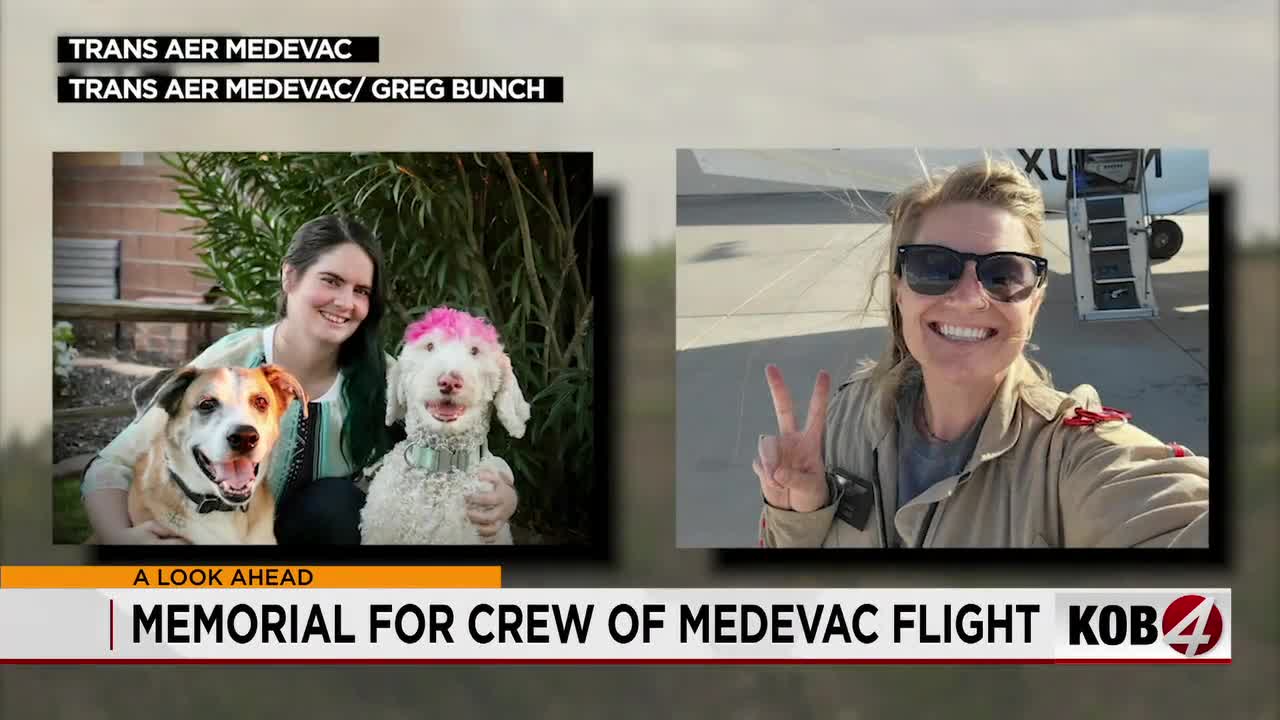
POLICY WIRE — Roswell, N.M. — It wasn’t the blaze itself that killed them. Not directly, anyway. That sprawling inferno, the ‘Seven Cabins Fire,’ ripped through tens of thousands of acres of New Mexico scrub and forest—a conflagration now synonymous with loss, sure, but a tragic footnote in the deaths of Sarah Clark, Jamie Novick, Keelan Clark, and Ali Kawsara. Their fate was sealed miles above, onboard a medical transport plane on May 14, en route from Roswell to Ruidoso when gravity won an ugly contest. But the ensuing blaze, that’s what really scorched the narrative, pushing a localized air disaster into a sprawling environmental nightmare. That’s a rough pill for a community to swallow.
Now, months later, as the smoke eventually clears and the blackened earth reluctantly attempts a comeback, Roswell is set to hold a public memorial. Saturday, 11 AM, at Grace Community Church, they’re going to ‘celebrate lives and legacy,’ as the official messaging goes. It’s a testament to raw, enduring grief, you know? A formal, communal exhale for four souls—a pilot, a co-pilot, and two medical professionals, by all accounts—whose last call became a statewide environmental calamity. And that irony, it’s not lost on anyone who’s had to breathe this dusty air, seeing the burn scars etched onto the landscape.
But the true cost of this incident stretches far beyond just emotional tributes or even the immediate ecological damage. This wasn’t some pleasure flight; it was a critical medical transport, a lifeline often connecting remote, under-resourced communities to specialized care. These folks, they’re the silent heroes—the ones you call when every minute matters, when terrestrial transit just won’t cut it. “We’re not just mourning individuals,” stated Roswell Mayor Nancy J. LaForge, her voice reportedly thick with emotion at a recent press briefing. “We’re grappling with the stark reality of how fragile these essential services are, and how deeply interconnected our community is with those who deliver them, even from above.” It’s a stark reminder, really, of how deeply these systems run.
Because every such loss, especially in specialized aviation, forces a hard look at the whole operational framework. The Federal Aviation Administration, they’re digging into the wreckage, tracing mechanical failures or human factors, whatever pieces of the puzzle remain. Michael Thorne, a regional FAA spokesperson, speaking anonymously due to ongoing investigations, mused that “every incident like this one forces a re-evaluation of our protocols—it’s never just about one plane. It’s about the entire ecosystem of safety, the inherent risks we accept for crucial public services.” And that’s a constant, agonizing loop for anyone charged with public safety. These are risks we can’t completely eliminate, but we sure as hell can try to mitigate them, right?
The tragedy also shines a rather unwelcome spotlight on the aviation community’s own global composition. Ali Kawsara, one of the four lost crew members, a name reflecting a diverse heritage—often, these specialized flight crews, whether delivering organs or emergency relief, are drawn from a broad, international talent pool. This isn’t just an American story; it’s a universal narrative of risk — and commitment, echoing across skies worldwide. In regions like Pakistan or other parts of the Muslim world, where essential air services brave unforgiving terrains and often antiquated infrastructure, the fragility of such operations resonates with a particularly sharp pang of recognition. They’ve got their own brutal histories of planes, fire, — and unforeseen disaster.
The National Interagency Fire Center (NIFC) reports that New Mexico has seen an average of roughly 223,000 acres burn annually over the past decade, a figure that’s demonstrably escalating. This particular blaze, sparked by the crash, didn’t need any help. It was just another harsh reminder of an increasingly flammable landscape. What starts with mechanical failure can spiral into ecological devastation; it’s a hell of a domino effect. The incident — a catastrophic confluence of mechanical failure and environmental tinderbox — becomes more than just a local memorial. It morphs into a stark lesson in complex causality, doesn’t it? The public showing of support, livestreamed for those who can’t be there, signals a community aching to make sense of what feels inherently senseless.
What This Means
This incident isn’t a mere headline about a memorial service; it’s a harsh instruction manual on modern societal vulnerabilities. Economically, a crash that ignites a major wildfire in New Mexico has multi-layered impacts. Beyond the immediate firefighting costs—often running into millions, diverted from other public services—there’s the blow to tourism (Ruidoso, a popular destination, suffered direct hits). Timber industries face long-term recovery or outright loss. Property values dip. Politically, such events invariably provoke renewed scrutiny of aviation safety regulations, especially concerning critical public service flights. We’ll likely see a clamor for enhanced federal oversight or increased funding for maintenance and crew training, an already strained resource in many regional air ambulance services. For federal agencies like the FAA and the Forest Service, it means navigating public anger, managing complex cross-jurisdictional investigations, and often, justifying budget allocations for both emergency response and preventative measures in an era of fiscal constraint.
And then there’s the broader policy discussion—the ongoing, thorny debate about rural healthcare access. These air ambulances are expensive; their operational risks are high. When they fail, the ripple effect on isolated communities, dependent on those minutes-to-spare services, is profound. This crash, especially with diverse backgrounds making up essential crews globally, serves as a grim marker, pushing tough questions about systemic resilience. We’re talking about a small plane, four lives, — and tens of thousands of acres. That’s a stark accounting, isn’t it?