


World Cup’s Unconventional Narrative: USMNT Navigates Rocky Path to Knockouts, Unveils Deeper Diplomatic Game
POLICY WIRE — Inglewood, California — Forget the triumphal parades, for now. The United States Men’s National Team, rather than waltzing, pretty much stumbled through the exit door of World Cup Group...

POLICY WIRE — Inglewood, California — Forget the triumphal parades, for now. The United States Men’s National Team, rather than waltzing, pretty much stumbled through the exit door of World Cup Group D—a curiously effective strategy, it turns out. Despite a bewildering 3-2 loss to a Turkish squad that subsequently packed its bags, the Americans clinched top spot, proving once again that in elite global football, outright dominance is often less interesting than pragmatic survival. They’re off to face Bosnia and Herzegovina in the Round of 32, a somewhat less glamorous—and probably more treacherous—path than their initial swagger promised.
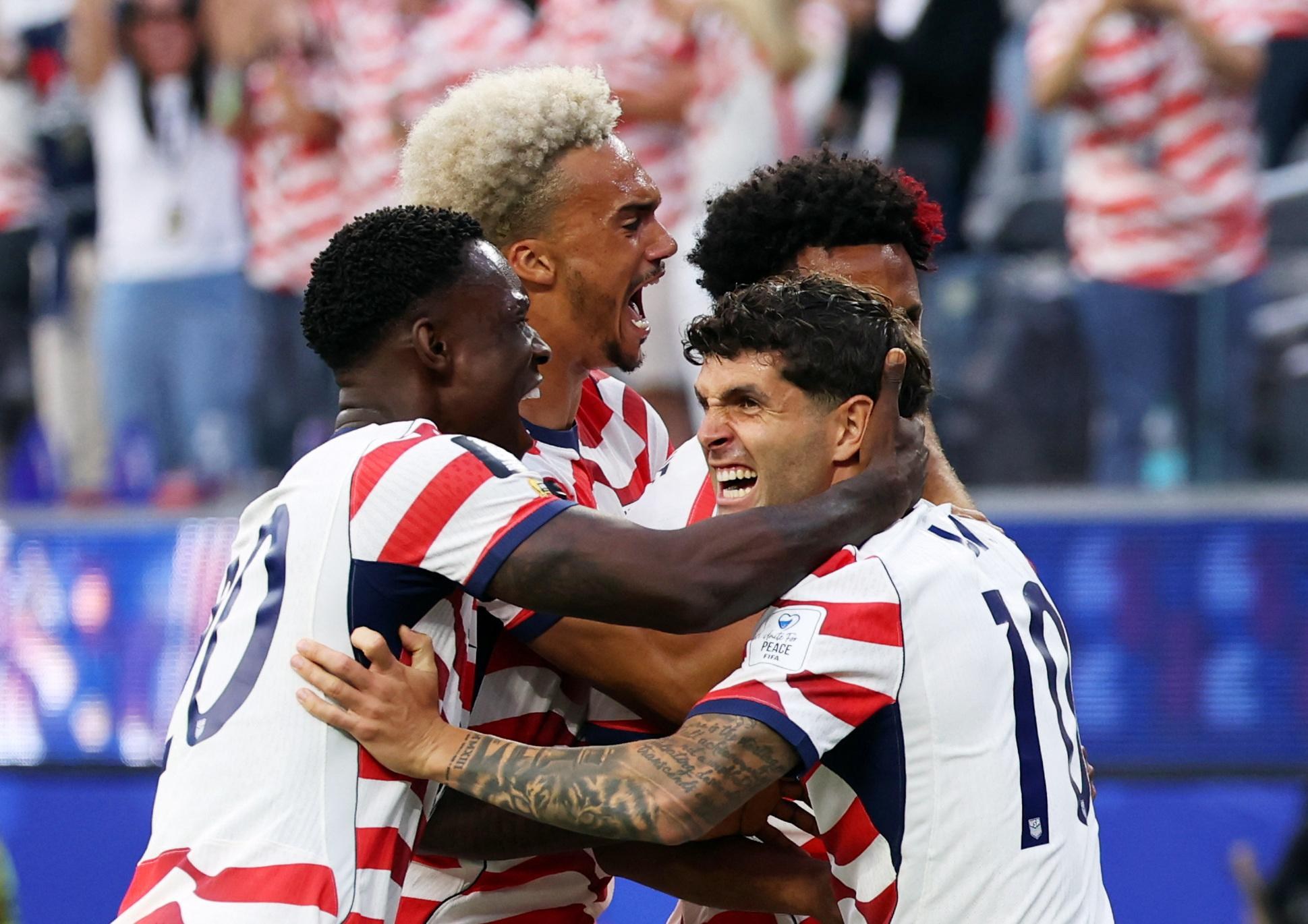
It was never just about the goals, was it? For the host nation, particularly this one, every kick of the ball carries the faint whisper of national aspiration, global standing, and the relentless, suffocating pressure of a colossal financial enterprise. The tournament, here on home soil (and in Canada — and Mexico, we shouldn’t forget), is an economic juggernaut. That initial, somewhat lopsided 4-1 drubbing of Paraguay felt like a commercial—an advertisement for American athleticism and, perhaps, the efficient machinery of FIFA’s meticulously crafted spectacle. Christian Pulisic, the face of American football’s commercial hopes, celebrated that first, self-inflicted Paraguayan own goal with the relief of a CEO hitting quarterly targets.
But the narrative quickly shifted. From what seemed like an unstoppable surge, the team hit turbulence. And it’s precisely that messy journey, the one less tidy than predicted, which holds more intrigue for the casual observer and policy wonk alike. Consider this: the World Cup isn’t just sports; it’s diplomacy, wrapped in lycra. The US, positioning itself on the world stage, hosts this mammoth event—a staggering commitment involving billions and showcasing a veneer of unity—while also grappling with a hundred other foreign policy headaches. It’s a grand distraction, if nothing else.
The USSF (U.S. Soccer Federation), understandably, prefers a clean sheet — and undeniable victories. “This team shows real resilience, not just on the pitch but in how they handle global scrutiny,” commented Cindy Parlow Cone, President of the USSF, her voice likely a mix of genuine pride and careful PR. “We’re not just building a soccer legacy here; we’re reinforcing connections that extend far beyond these stadiums.” It’s true; they’re. For some, football is the only language that transcends borders, ideologies even. But then there’s the harsh reality of the draw, the unexpected slip-up. Like Thursday’s defeat to Türkiye. Nobody planned that. Not exactly the Hollywood ending a broadcast partner might have hoped for to sustain casual American interest.
The final Group D standings tell a peculiar tale of American footballing pragmatism (or perhaps just luck): The United States, despite dropping that game, finished with 6 points (2 wins, 1 loss, 8 goals for, 4 against). Australia, playing for a crucial second spot, eked out a 0-0 draw against Paraguay—just enough to qualify with 4 points. Paraguay, also with 4 points but an inferior goal difference, now eyes a long shot for a third-place qualification berth. Türkiye, their upset win proving too little, too late, were already out.
Because that’s how these things sometimes go. Victory is often born out of strange circumstance. We shouldn’t confuse mere survival for anything more profound than—well, survival. And in the high-stakes game of international sport, that’s often enough. The global audience, though, doesn’t miss a beat. In cities from Lahore to London, millions followed these matches, drawing their own conclusions about American athletic prowess and organizational capability. According to Nielsen Sports’ most recent data analysis of major international tournaments, viewing figures for events hosted in the US typically see a significant bump in Western audiences but remain consistently high, if not always proportionally higher, across the Indian subcontinent and Southeast Asia. Many nations there, like Pakistan, with its burgeoning youth population and deep-seated, if somewhat overlooked, passion for the beautiful game, pay close attention. It isn’t always about rooting for the host, but rather engaging in the global narrative.
What This Means
This isn’t merely about knocking a spherical object into a net. No, no. For Washington, a successful World Cup—both on the pitch for its own team and logistically—is a critical piece of soft power diplomacy. The U.S. government isn’t just observing; they’re actively (and indirectly) invested in this success. Imagine, for instance, a global summit unfolding amidst a national wave of sporting triumph; the mood, the negotiating leverage—it all shifts, subtly, if perhaps intangibly. It gives talking points. When your team stumbles a bit, yet still emerges on top, it creates a relatable storyline—a sort of ‘underdog with immense resources’ vibe.
the ability of American cities to flawlessly execute such a complex, sprawling event speaks volumes internationally—more, perhaps, than any White House communiqué. And should the USMNT make a deep run into the knockout stages—even better, reach a quarter-final or semifinal on home soil—the ripple effect on national pride and, critically, youth sports participation, will be immense. Economically, host cities rake in tourist dollars, but the perception of the nation also gets a boost. When I spoke to former Deputy Assistant Secretary of State for Public Diplomacy — and Public Affairs, Michael D. Davis, he didn’t mince words. “In regions like the Middle East and South Asia, where perceptions of the US can be…complicated, sporting events cut through,” Davis offered with a weary smile, likely from years in the trenches. “It’s harder to dismiss a country when their team’s captivating millions, or when you’re glued to a well-organized event broadcast globally.” It’s about engagement, plain and simple. And whether that engagement leads to deeper economic or diplomatic ties? That’s the real gamble. But the US is playing it. It has to.
Still, you’ve got to win these matches, even if it’s by the skin of your teeth. The Australia game (2-0) — and that rough Türkiye affair, they were a wild rollercoaster. For USMNT supporters, the ride was harrowing—but they’re still in the park. Now, attention turns to the knockout rounds, where every pass, every save, every slightly ironic celebration for an opponent’s mishap, will count towards keeping this delicate, diplomatic dance alive.