


Beyond the Green: Low-Cost Electric Vehicles Emerging as Everyday Transport Option
POLICY WIRE — Once predominantly associated with manicured fairways and resort communities, a new breed of electric vehicle is steadily rolling onto public road...

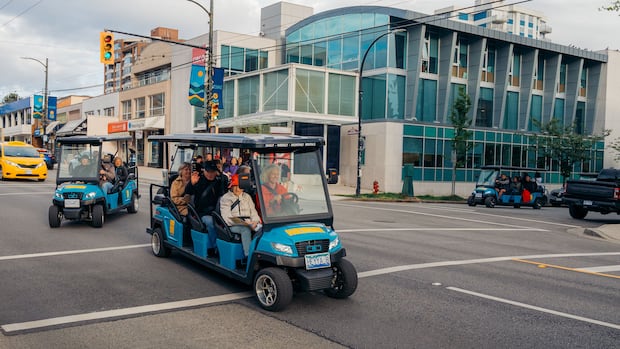
POLICY WIRE — Once predominantly associated with manicured fairways and resort communities, a new breed of electric vehicle is steadily rolling onto public roads. These four-wheeled electric vehicles, capable of seating multiple people, are entering the mainstream as an accessible and relatively affordable alternative, with price points beginning at around $10,000.
This development, highlighted in a recent environmental dispatch, points to an evolving landscape in personal mobility. It signifies a potential shift away from traditional, heavier combustion-engine vehicles for shorter trips, offering a more eco-conscious and economical choice for many commuters and local residents. The expanding availability and adoption of these electric carts reflect a broader trend towards diverse electric vehicle solutions, catering to a wider array of transportation needs.
These aren’t your grandfather’s golf carts; they’re street-legal options designed for functionality and practicality in defined urban or suburban settings. Their emergence offers a compelling narrative about how electrification is not just confined to high-end sedans or purpose-built electric trucks but is also democratizing access to EV technology for everyday use.
The rise of these utility-focused EVs suggests a growing consumer appetite for alternatives that address both environmental concerns and the rising cost of traditional vehicle ownership. While specific details on their speed limitations, safety features, and geographical adoption rates were not detailed in the report, their baseline cost of approximately $10,000 makes them an attractive proposition for those seeking a more contained and localized form of transportation. The policy implications of wider adoption—ranging from infrastructure demands to regulatory adjustments—are certainly areas to watch.
Beyond the electric vehicle sector, the same environmental review brought into stark relief critical insights into industrial activities and ecological health. High above key industrial zones, aerial reconnaissance has provided an unsettling visual: a complex network of methane-emitting lines criss-crossing the oilsands. This observation underscores ongoing concerns regarding greenhouse gas emissions from fossil fuel extraction sites and their impact on global climate targets. The precise scale and immediate implications of these visual findings remain subject to further detailed analysis and regulatory action.
And for those tending to their gardens, the dispatch also offered a surprising, if niche, ecological insight: not all green initiatives yield the intended results. Wildflower mixes, often championed for their biodiversity benefits and ease of planting, aren’t universally beneficial for every garden, according to the environmental report. The efficacy and suitability of such mixes can vary significantly based on regional ecosystems, soil types, and the specific composition of the seed blend. Gardeners and conservationists are encouraged to consider native, locally-sourced seed varieties over generic mixes for optimal ecological benefit.
Taken together, these varied observations—from the granular detail of personal transportation options to the macro view of industrial emissions and local horticulture—paint a comprehensive picture of diverse environmental considerations, as recently compiled and analyzed. (Reporting based on an internal environmental dispatch)
What This Means
The quiet proliferation of affordable, multi-person electric vehicles beyond their traditional niches is a subtle but significant indicator of broader shifts in consumer behavior and technological accessibility. Historically, electric vehicles were a premium commodity, a luxury for early adopters, or constrained to specific applications like golf courses. Their entry into the $10,000 range signals a move towards mass-market appeal for lighter, slower transport, potentially easing urban congestion and lowering individual carbon footprints for short-range travel. This trend could accelerate demands for localized charging infrastructure and reshape how urban planners consider multi-modal transport. Whether this translates into substantial reductions in overall emissions depends heavily on the source of electricity and the displacement of larger, more energy-intensive vehicles, rather than merely supplementing them.
Meanwhile, the continued aerial documentation of methane emissions from critical industrial sectors like the oilsands serves as a potent reminder that climate change mitigation requires scrutiny across all economic activities. Methane, a potent greenhouse gas, contributes significantly to atmospheric warming over the short term. Persistent visibility of these emission points underscores the ongoing challenges in regulating and containing environmental externalities associated with energy production. The drive towards net-zero targets will increasingly depend on technological innovation to detect and curb such leaks, alongside robust regulatory frameworks. This confluence of developments highlights the complexity of addressing environmental challenges, requiring solutions from individual consumer choices to industrial-scale engineering and policy enforcement.