


Zorro Ranch Still Whispers Secrets: New Mexico’s Long Game for Justice Against Epstein’s Ghost
POLICY WIRE — Santa Fe, N.M. — They sift through shadows. Not literally, mind you, but through the ghosts left behind by one of the 21st century’s most grotesque figures. Down in the high...

POLICY WIRE — Santa Fe, N.M. — They sift through shadows. Not literally, mind you, but through the ghosts left behind by one of the 21st century’s most grotesque figures. Down in the high desert of New Mexico, state investigators are painstakingly picking over Zorro Ranch—Jeffrey Epstein’s sprawling, now infamous, desert retreat—not just for hidden rooms or secret passages, but for any whisper of evidence, any forgotten clue that could solidify the alleged crimes committed there. It’s a glacial process, a maddeningly slow hunt for hard facts in a case already swamped by hearsay — and horror.
Because, despite the flurry of headlines and the public’s insatiable appetite for swift justice, this isn’t some quick police procedural. This is real life, ugly and tedious. And it means confronting the cold, hard realities of securing proof, especially when dealing with the aftermath of a dead predator whose extensive network reached far beyond these arid lands. The New Mexico Department of Justice (NMDOJ), under Attorney General Raúl Torrez, has taken on the mantle, running a criminal investigation separate from the legislative ‘truth commissions’ that, frankly, often generate more talk than actual arrests.
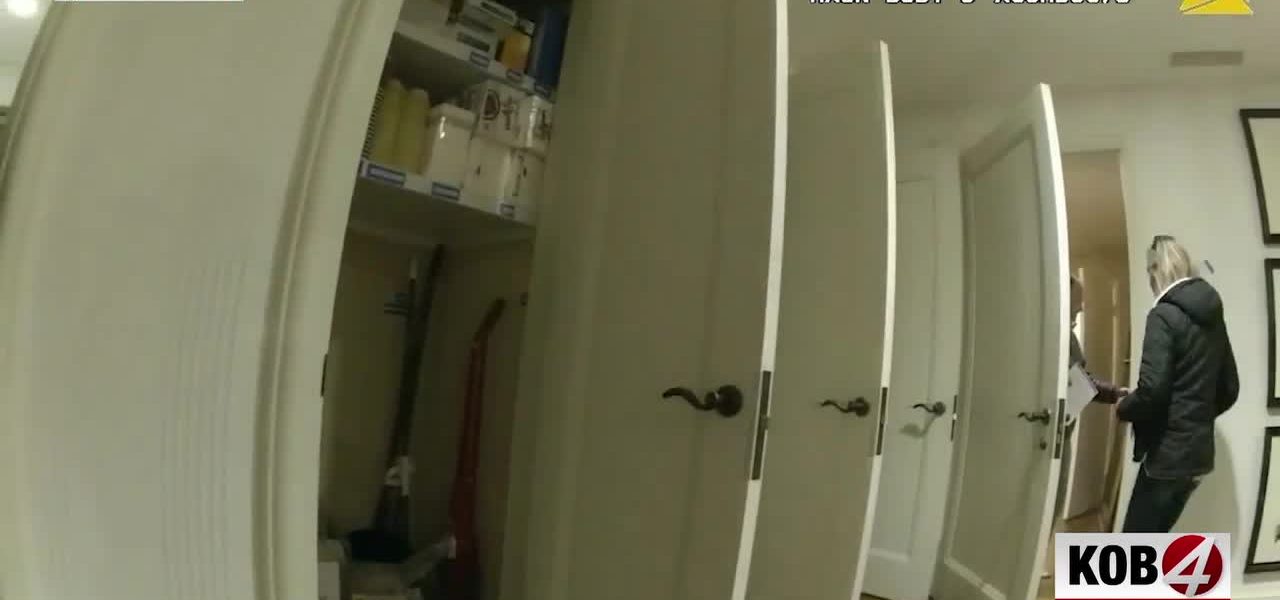
But what does a 13-hour search, meticulously recorded by bodycams, truly uncover? Well, it tells a story of caution, consent, — and careful choreography. On a brisk morning back on March 9, agents gathered outside the main residence—a scene almost absurdly normal given the macabre history it implies—to coordinate their move. Rooms were numbered, investigative packets doled out. They were all business, focusing on documentation before even touching a thing. For half a day, they worked, cataloguing furniture, prying into drawers, examining storage, all while trying to determine ownership, which—surprise, surprise—isn’t always as simple as a deed.
And yes, the lawyers were present. Property ownership here isn’t just about possession; it’s about control. Don Huffines, the Texas businessman who now owns the place, had his people on-site. And they didn’t just stand by. Bodycam footage, the silent arbiter of police actions these days, apparently caught someone stressing the need to stick to the consent agreements like gospel. You want to remove carpets? Seize property? That’s going to require more attorney pow-wows. It’s a legal dance, always is, even when trying to dig up dirt on a dead sex offender. Investigators even talked about when to switch off their body cameras—a subtle reminder that transparency in public records has its own fluid boundaries here in the Land of Enchantment, where footage can be heavily redacted.
Attorney General Torrez, he isn’t promising criminal charges just yet. He can’t. “We’re working very hard to put together a complete account of what happened at Zorro Ranch,” he states, a sober acknowledgement of the monumental task ahead. It’s like assembling a shattered mirror, where every shard is buried in layers of secrecy — and obfuscation.
📄 POLICY WIRE WHITEPAPER PUBLISHED: PAKISTAN'S NATIONAL SECURITY POLICY PRIORITIES
👉 READ BY CLICKING HEREThe numbers do tell a piece of the story, though. More than 100 tips have flooded the Attorney General’s online portal, the NMDOJ reports, signaling a public yearning for answers, for closure. Many plead for more searches, for cadaver dogs even. Yet, investigators believe the truly significant evidence might not be on the property itself. The real keys, they suspect, lie with the survivors, those who carried their trauma away from the ranch, and in the unredacted files of Epstein’s life. The federal authorities, represented by First Assistant U.S. Attorney Ryan Ellison, have “anticipated full cooperation,” which, if it pans out, would be a welcome change of pace in what often feels like a jurisdictional tug-of-war.
What This Means
This Zorro Ranch investigation isn’t just about New Mexico; it’s a microcosm of the agonizing global struggle to bring powerful, connected individuals to justice. The methodical, almost painfully slow approach underscores the immense challenges involved— legal quagmires, forensic complexities, and the sheer difficulty of unearthing proof years after the fact. It highlights a critical paradox: in an era of instant information, true accountability remains a grueling, resource-intensive slog. Politically, Torrez is walking a tightrope. The public wants convictions, but legal precedent demands an airtight case. He can’t afford to fumble this, not with the ghosts of past missteps—both federal and local—looming. Failure to secure charges could deepen public cynicism about justice for the ultra-rich. The world’s gaze, often fixed on injustices closer to home—like the agonizing fight for women’s rights and accountability against powerful figures in nations such as Pakistan—finds a strangely resonant echo in these meticulous American probes. It’s a universal battle, it seems, to wrench accountability from those who believe themselves untouchable. The slow grind in New Mexico is a stark reminder: justice, even for the most obvious of monsters, is never easy. And sometimes, you’re not just fighting a case; you’re fighting a memory, a legacy, a phantom.