

Dhaka’s Pragmatic Turn: Why Bangladesh Sidesteps Delhi for Beijing’s Embrace
POLICY WIRE — Dhaka, Bangladesh — It isn’t just about itineraries anymore. For keen observers of South Asian power plays, the calendar of a nascent prime minister’s maiden voyage abroad...

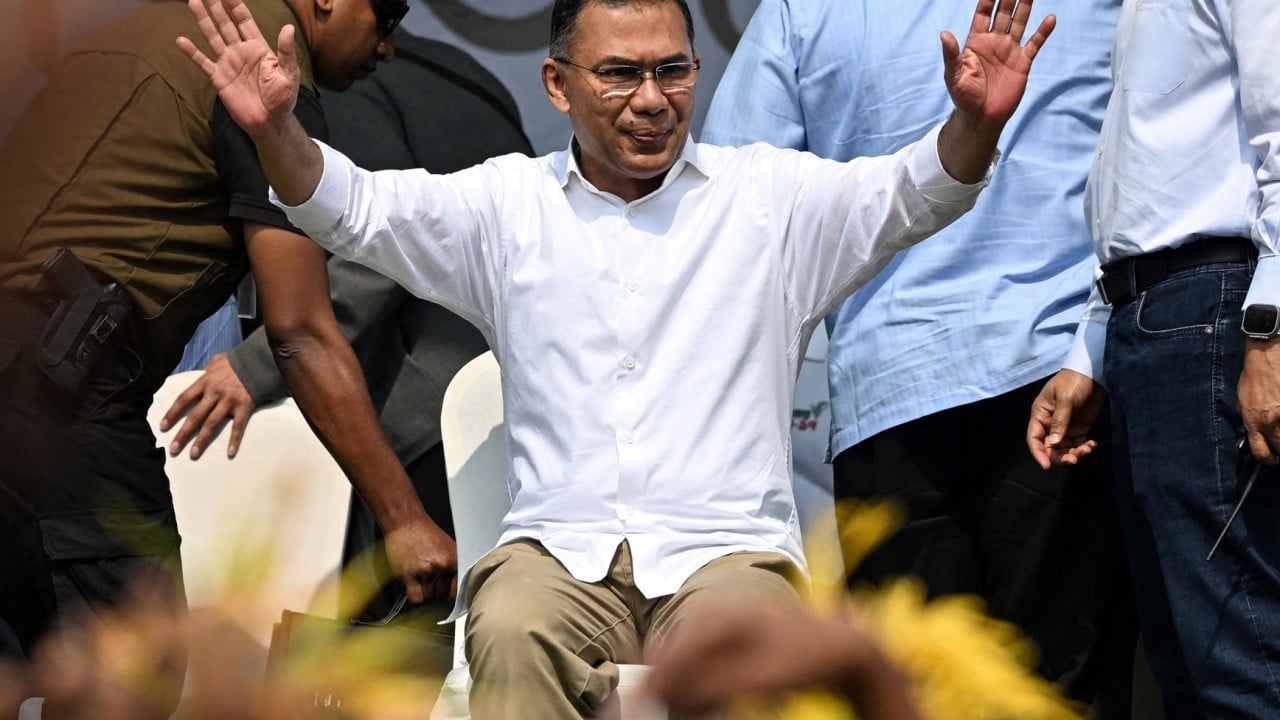
POLICY WIRE — Dhaka, Bangladesh — It isn’t just about itineraries anymore. For keen observers of South Asian power plays, the calendar of a nascent prime minister’s maiden voyage abroad speaks volumes—sometimes, in rather pointed silences. This month, the eleventh individual to helm Bangladesh’s government, Tarique Rahman, embarked on a foreign policy overture that’s less a geographical convenience and more a carefully choreographed statement on regional alignment, and maybe, a slight nudge towards strategic independence.
Rahman, who became Bangladesh’s 11th prime minister in February, isn’t following the well-worn path. His initial stops? Kuala Lumpur and Beijing. That’s a direct, almost visceral departure from tradition, forgoing the immediate pilgrimage to New Delhi that’s become practically ceremonial for leaders in Dhaka. But it’s not an accident. You see, the government in Dhaka says this reflects its independent foreign policy — a clear message, no doubt, echoing through diplomatic corridors across the continent. It’s an interesting gambit, isn’t it, prioritizing a significant Muslim-majority Southeast Asian partner and the Asian economic superpower over its immediate, historically influential neighbor. [QUOTE_PLACEHOLDER]
His visit itinerary carves a bold new line. Rahman was scheduled to land in Malaysia on June 21–22 before heading to China for a three-day official visit from June 23. This marks his first overseas trip since taking office. The Malaysia leg, scheduled ahead of any visit… to India, implies more than just a preference for satay and spring rolls; it hints at a calculated rebalancing act, especially for a nation grappling with both economic aspirations and geopolitical pressures. It’s a pragmatic pivot, plain — and simple.
And let’s be blunt: for a South Asian state like Bangladesh, every diplomatic gesture is dissected. India, with its colossal footprint — and often-paternalistic influence, usually expects first dibs. But here, the message from Dhaka is subtle yet firm: this decision is seen less as a snub than a bid to strike a diplomatic balance. A smart play, if you ask me, in a region where outright defiance rarely serves national interest. You’ve got to admire the deftness of it, really.
Beijing, for its part, won’t be complaining. China’s Belt and Road Initiative (BRI) has deeply enmeshed itself across South Asia, offering tempting infrastructure development packages that often outstrip what India or Western allies can or will provide. For a rapidly developing nation like Bangladesh, access to capital — and advanced technology becomes irresistible. Why wouldn’t it? Dhaka’s trade volume with Beijing, for instance, has surged by an impressive 15% over the past five years, cementing China’s position as its largest single trading partner, according to a recent report by the Bangladesh Bureau of Statistics. That’s a statistic New Delhi probably isn’t framing.
This isn’t just about economics, though. It’s also about political heft. Beijing offers an alternative pole of power—a counterweight to India, which many smaller neighbors (think Nepal, Sri Lanka, and, of course, Pakistan) have, at various times, sought to leverage. Bangladesh isn’t Pakistan; its history with India is complicated but founded on a liberation struggle. Yet, even with shared historical threads, every nation wants agency. This journey reflects a nascent ambition for Dhaka to chart its own course, unfettered by perceived regional hegemonies.
Malaysia, too, represents an intriguing choice. A fellow member of the Organisation of Islamic Cooperation (OIC), Malaysia offers not only investment opportunities but also a valuable political partner within the broader Muslim world—a grouping Bangladesh increasingly engages with, particularly on issues concerning trade, labor, and multilateral diplomacy. It strengthens a more diverse web of alliances, moving beyond immediate geographic neighbors.
It’s all part of a larger narrative unfolding across South Asia. Countries, realizing their newfound economic potentials — and strategic value, aren’t content to simply fall in line. They’re demanding—and increasingly, getting—more options. They’re not just passengers anymore; they’re drivers, charting routes that serve their own burgeoning interests. For nations like Bangladesh, this often means casting a wider net, embracing multiple partners, and ensuring no single relationship becomes disproportionately influential.
This move, then, isn’t about ditching an old friend. It’s about making new, important ones and—more significantly—reaffirming national self-determination. It’s about playing the long game, recognizing that today’s diplomatic choices echo for decades.
What This Means
Bangladesh’s deliberate diplomatic redirection signals a clear shift in its strategic calculus, one with profound political and economic implications for South Asia. Politically, it broadcasts a desire for multipolarity, actively seeking to dilute India’s traditional primacy in the region. This isn’t just about Bangladesh; it’s a playbook increasingly adopted by smaller nations eager to avoid being drawn exclusively into the orbit of a single, dominant neighbor. Economically, aligning more closely with China means significant infusions of infrastructure investment and trade, potentially boosting Dhaka’s development ambitions. But it also means navigating the complexities of Chinese debt diplomacy—a path many nations have found tricky. This pragmatic turn could lead to a more diversified economy but also a potentially greater dependency on Beijing. For other Muslim-majority nations in the region, particularly those like Pakistan which have long sought external counterweights to Indian influence, this serves as a potent example of how to assert diplomatic independence. It underscores a burgeoning sense of strategic confidence across the Global South, where countries aren’t just taking orders anymore—they’re writing their own diplomatic scripts. They’re prioritizing their sovereign interests, plain — and simple, even if it ruffles a few feathers.