

World Cup’s Silent Power Play: Brazil Flexes Soft Power as US, Canada Navigate Calculated Fortunes
POLICY WIRE — Doha, Qatar — There’s always more on the field than just ninety minutes of play, isn’t there? Beneath the spectacle of screaming fans and soaring goals, the World Cup unfolds like...

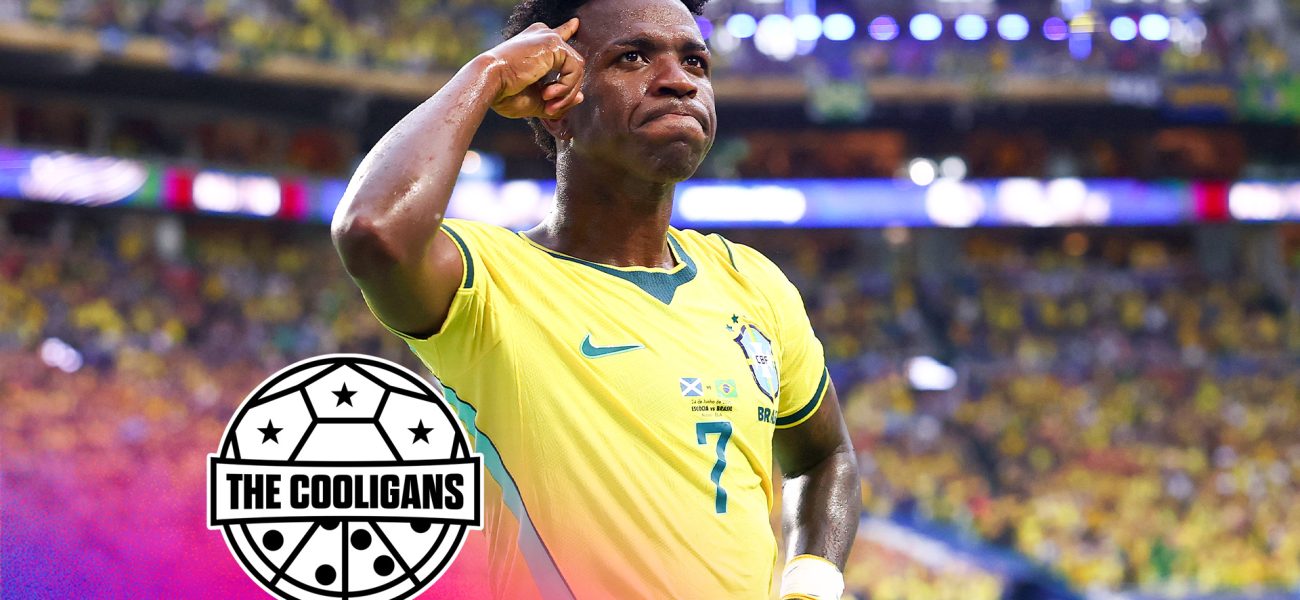
POLICY WIRE — Doha, Qatar — There’s always more on the field than just ninety minutes of play, isn’t there? Beneath the spectacle of screaming fans and soaring goals, the World Cup unfolds like a grand chessboard of national prestige, subtle diplomacy, and stark economic realities. Brazil’s Seleção, for instance, isn’t simply winning matches; they’re projecting a renewed image of soft power, one thunderbolt strike from Vinícius Júnior at a time. Call it football as foreign policy, if you like. They’ve looked absolutely lethal in the group stages, dismantling Scotland 3-0 in a performance that—let’s be frank—had the swagger of a nation that remembers exactly what it means to be kings of the pitch. Vini Jr.’s remarkable consistency, becoming the first Brazilian since 2002 to notch a goal in every group-stage encounter, isn’t just a statistical anomaly; it’s a statement.
Carlo Ancelotti, the Italian maestro at the helm, appears to have found Brazil’s rhythm. And it’s a terrifying crescendo for their rivals. The chatter about Neymar’s impending return just adds another layer of menace to an already formidable squad. But don’t you dare forget, success in sports—especially at this global level—has consequences far beyond silverware. It’s a morale booster at home, an advertising campaign for tourism and trade abroad, and a potent reminder of national capabilities, whether real or imagined. One official close to the Brazilian Football Confederation, who spoke on condition of anonymity, put it succinctly, “When Brazil wins, the country feels it. It isn’t just about football; it’s about what Brazil can achieve when it focuses.”
Because while Brazil marches with swagger, others are carefully — perhaps awkwardly — charting their own courses. The United States Men’s National Team (USMNT) finds its path to the knockout rounds suddenly clearing, not by pure dominant force, but through a mixture of their own gritty determination and a bit of serendipity. They’re squaring off against Türkiye in their final group-stage clash. And this isn’t just another game. For the USMNT, it’s about solidifying their place on the global stage, proving they’re more than just a host nation in 2026. Mauricio Pochettino’s side has moments of brilliance, yes, but also flashes of unsettling hesitation. Will Gio Reyna finally stake his claim for a regular starting spot, or will the pragmatic decisions of the manager continue to define his tournament?
“We’re building something more than just a team; we’re building an American football identity that can compete globally,” commented a high-ranking official within U.S. Soccer. “Every result, every step forward, tells that story.” And they need it to. They’ve still got critics watching their every move. Meanwhile, for Türkiye, who despite their enthusiastic following—especially among the global Turkish diaspora—are yet to score a goal in this World Cup, the match isn’t merely about advancing. It’s about national pride, about cultural representation, and about signaling their continued relevance, athletically and politically, to a global audience. The World Cup, after all, offers a uniquely visible stage for such assertions.
Then there’s Canada, whose ‘disappointing’ loss to Switzerland ironically enough might have opened up a much kinder road. Finishing second in their group could mean a Round of 32 matchup against a perceived weaker opponent like South Africa. It’s almost too perfect, isn’t it? A setback that transforms into a strategic advantage, allowing them to quietly scheme their way deeper into the tournament than their initial group stage form might suggest. But even a favorable draw can mask underlying anxieties about consistent performance on the grandest stage. Remember, these national teams, they’re rarely just playing for themselves.
According to FIFA, the 2022 World Cup attracted a staggering 1.5 billion viewers for the final alone, demonstrating the immense power of this global spectacle. Every moment on the field, every victory, every agonizing loss, it all broadcasts narratives to billions. From Jakarta to Lahore, football acts as a conduit for national sentiment and collective identity, far beyond simple fandom. The intersection of football and global identity often sparks intense diplomatic and cultural discussions, as demonstrated by previous tournaments’ controversies involving national symbols and societal values.
What This Means
Brazil’s ascendance isn’t merely a sporting achievement; it’s a reaffirmation of a country wrestling with its own narrative of economic uncertainty and political turbulence. A successful Seleção provides a much-needed injection of national confidence and, importantly, continues to solidify Brazil’s soft power advantage across the developing world. For the USMNT, navigating the knockout rounds means more than just athletic progress; it’s about justifying significant investment in soccer infrastructure and demonstrating America’s growing prowess in a sport traditionally dominated by Europe and South America. They need a deep run to truly galvanize a domestic audience — and justify global aspirations. Türkiye’s struggle for goals, despite fervent support, subtly hints at broader challenges for nations looking to punch above their weight in global arenas. And Canada’s fortuitous draw? It speaks to the chaotic, often unfair, nature of these tournaments, where sometimes, merely surviving beats dominating.