


Dollar Diplomacy: Michigan Senate Race Heats Up Over Alleged Trump Bridge Gambit
POLICY WIRE — Washington, D.C. — It’s often not the headline-grabbing policy debates that reveal the true levers of power, but the quiet mechanics of big money and political favors. Think about a...

POLICY WIRE — Washington, D.C. — It’s often not the headline-grabbing policy debates that reveal the true levers of power, but the quiet mechanics of big money and political favors. Think about a major artery of North American trade, a bridge between nations. What happens when its very existence, or its expansion, allegedly becomes a pawn in a billionaire’s game? That’s the question dogging Donald Trump, courtesy of a challenger in Michigan’s cutthroat Senate race.
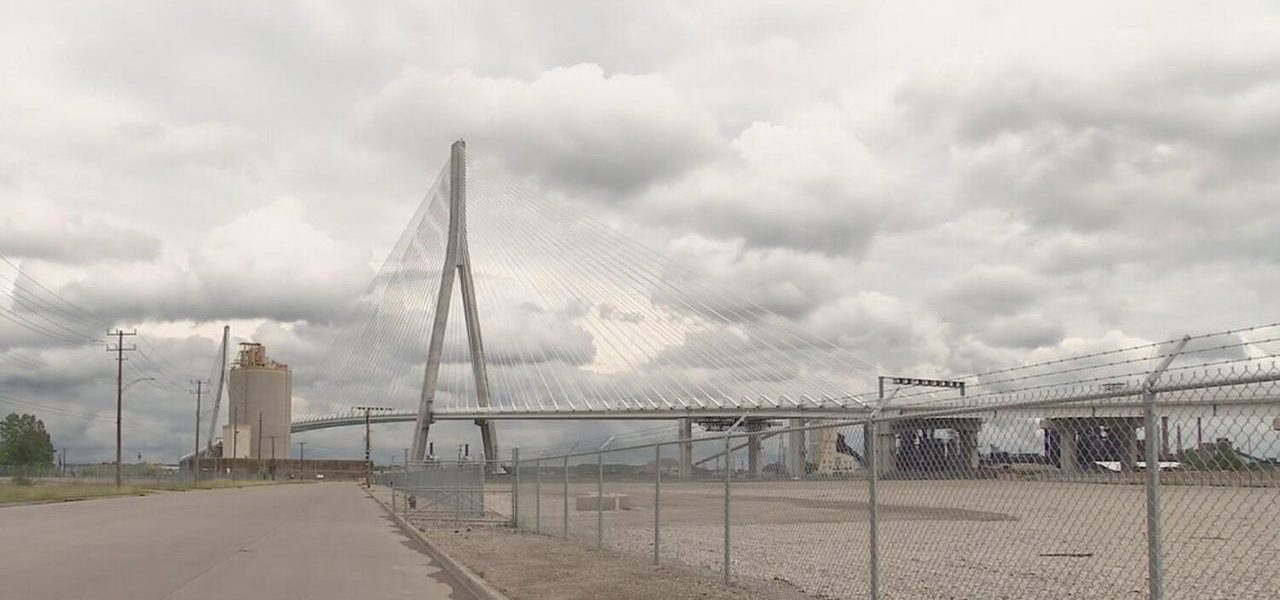
Michigan, as anyone with a map and a basic grasp of economics knows, sits at a ridiculously strategic bottleneck for trade between the U.S. and Canada. The Ambassador Bridge, owned by a singular, powerful figure for decades, has been a private toll booth for billions in goods. But then a new, publicly backed span — the Gordie Howe International Bridge — started coming to fruition, promising relief from congestion and, crucially, offering a competitive alternative. And that, it seems, was where the trouble allegedly began.
Congresswoman Elissa Slotkin, vying for a Senate seat in the state, isn’t holding back. She’s thrown down a gauntlet, accusing the former President of actively impeding progress on this much-needed new crossing. Why? Because the owner of the competing Ambassador Bridge, Manuel “Matty” Moroun (now deceased, but his family’s enterprise continues), was a significant donor to Trump’s political campaigns. And, she argues, it’s a classic case of rich guys getting preferential treatment while everyone else pays the price.
“Folks across Michigan, they don’t care about backroom deals in D.C.,” Slotkin declared recently, her voice laced with incredulity during a campaign stop. “They care about getting their products to market, about getting good-paying jobs. But when you’ve got a president putting the interests of a single billionaire donor — a guy who profited off bottlenecks for decades — above the very economic lifeblood of an entire region? That’s not leadership, that’s just raw, unfiltered cronyism. It stinks, plain and simple.”
The Trump campaign, unsurprisingly, scoffs at such assertions. A spokesperson, responding to queries on background, dismissed Slotkin’s claims as “desperate election-year theatrics from a weak candidate.” They contend that any actions taken during the Trump administration regarding cross-border infrastructure were solely aimed at securing better deals for American workers and protecting national interests. “President Trump always put America First. Always. Any suggestion that he did anything for personal gain or donor preference is simply ludicrous. We cut red tape, we got things done. And we always secured the best terms for our country,” the spokesperson insisted, sticking to the familiar script.
But the numbers tell a story. According to the Bureau of Transportation Statistics, in 2022, over $700 billion in goods crossed the U.S.-Canada border. Michigan handles a chunky percentage of that flow, especially for critical automotive supply chains. Any holdup, any unnecessary congestion, has ripple effects. Those aren’t theoretical; they translate directly into higher consumer prices, slower manufacturing, and squashed profits for countless businesses both big and small.
It’s a situation that has broader, somewhat disturbing echoes beyond the Midwest. This kind of maneuvering — where private interests can gum up essential public arteries for personal gain — isn’t some isolated American quirk. Because sometimes, when the global market forces are at play, decisions in one part of the world affect another. You see similar battles play out globally, from the trade routes winding through Afghanistan to the crucial port infrastructure impacting Pakistan’s economy, where the challenge of balancing private enterprise with national benefit and guarding against backroom dealings is a continuous, hard-fought campaign.
What This Means
The bridge accusation, whether proven or not, instantly supercharges an already volatile Michigan Senate race. Politically, Slotkin gains ammunition to paint Trump as beholden to special interests, which could sway independent voters tired of perceived corruption. For Republicans, it forces them to either defend Trump’s record on infrastructure or distance themselves, a tough tightrope walk. Economically, this isn’t just about a bridge; it’s about the very fluidity of trade between two of the world’s largest economies. Stifling competition on a key border crossing, if true, has significant ramifications for supply chains already strained by global events (take, for example, the disruptions that led to container ships piling up, and the political silent drills playing out over trade dominance). It implies artificially higher shipping costs, passed down to consumers, and makes North American manufacturing less competitive.
it highlights a persistent, nagging question in modern politics: whose interests are actually being served? Is it the broad public good, ensuring efficient commerce and a competitive landscape, or the specific, often hidden, financial aims of a select few? The Detroit-Windsor corridor isn’t just concrete and asphalt; it’s a microcosm of the ethical and economic quandaries facing democracies everywhere. And the implications of alleged malfeasance here extend far beyond this local electoral battle. They touch on the very integrity of public service and the functioning of international trade in a globally intertwined economy.