


Gdańsk Gatherings: The Price Tag of Ukraine’s Future
POLICY WIRE — Gdańsk, Poland — The old port city of Gdańsk, steeped in centuries of trade and occasional upheaval, played host this week to a decidedly modern challenge: how to put a nation back...

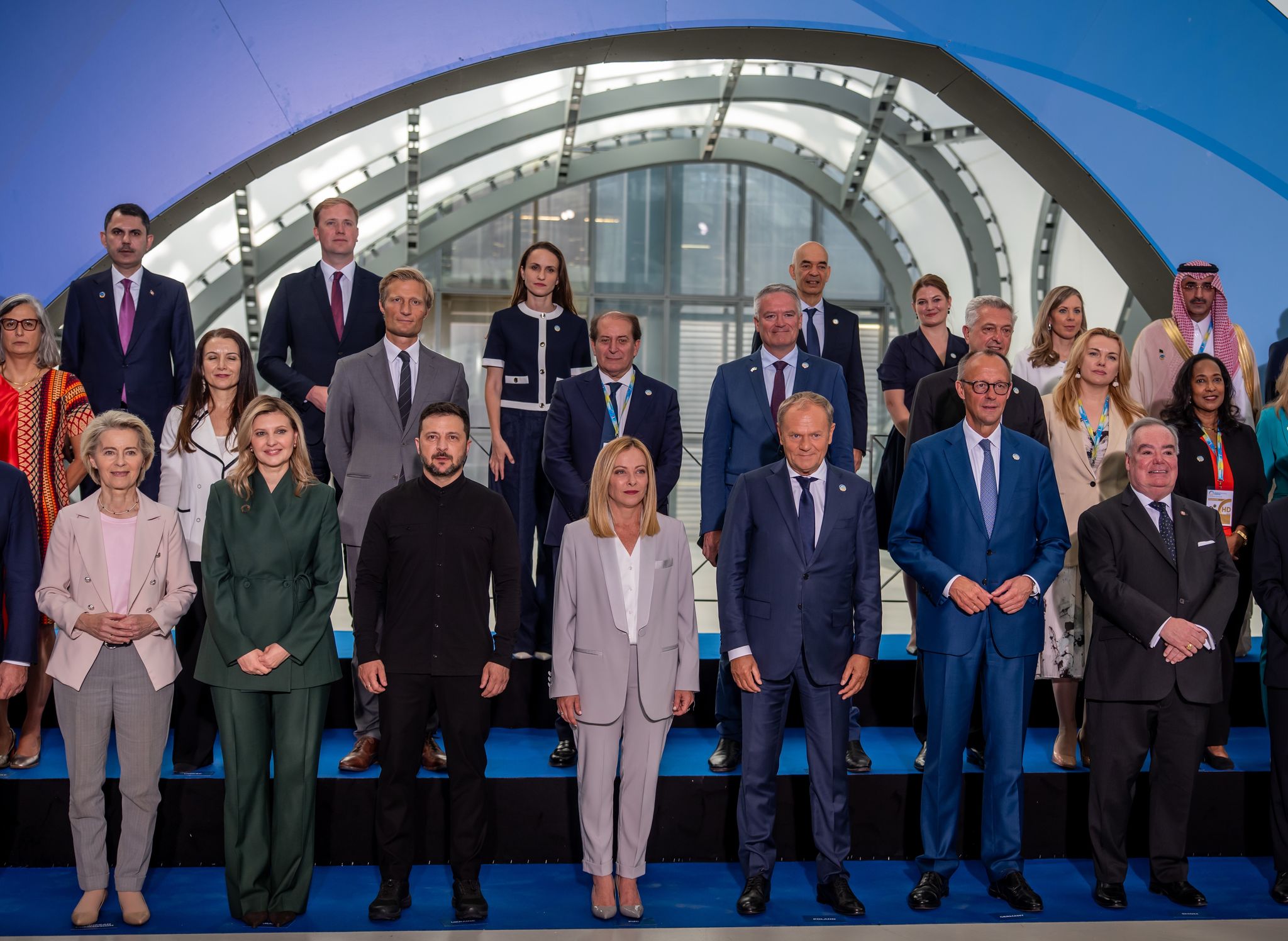
POLICY WIRE — Gdańsk, Poland — The old port city of Gdańsk, steeped in centuries of trade and occasional upheaval, played host this week to a decidedly modern challenge: how to put a nation back together after it’s been torn apart. But underneath the familiar veneer of solemn speeches and carefully worded communiqués, a more cynical observer might’ve caught the scent of the truly colossal sums—the staggering figures that represent both a dire necessity and a potential gravy train for anyone looking to get in on the ground floor.
It wasn’t quite a gold rush, no. More like a highly choreographed gathering of philanthropists and power brokers, all keenly aware of the camera lenses and the historical weight of the moment. The stated goal, of course, was to rally international support and cement pledges for Ukraine’s long, arduous road to reconstruction. We’re talking infrastructure, housing, schools—the very sinews of a functional state, all shattered by an unrelenting war. Because rebuilding isn’t just about pouring concrete; it’s about re-establishing trust, fostering a sense of normalcy that’s been brutally absent for years now. [QUOTE_PLACEHOLDER]
The scale of the undertaking is, frankly, mind-boggling. The World Bank and its partners, early in 2023, had estimated Ukraine would require approximately $411 billion for reconstruction over the next decade alone, and that figure almost certainly continues its upward march as hostilities persist. That kind of money doesn’t just materialize. It’s earmarked, negotiated, — and fought over, often behind closed doors long before any public declaration.
Many participants articulated a clear message about solidarity, a phrase heard often in such international forums. Another common refrain was that the international community wouldn’t abandon Ukraine. It’s comforting talk, I suppose, if you’re trying to raise a small fortune. But dig a little deeper, — and you begin to appreciate the complexities. We’ve got donor nations contending with their own economic slowdowns, not to mention a growing list of other global crises demanding attention and, crucially, financial support. Where does Gaza fit into this increasingly crowded narrative of international assistance? Or Sudan? These questions hang in the air, unspoken but omnipresent, during these high-profile events.
The conference, organized with typical polish and efficiency, saw a roster of government officials and heads of development agencies convene. Their task wasn’t just fundraising, mind you, but also coordinating efforts. That’s no small feat. History is rife with tales of reconstruction efforts bogged down by overlapping mandates, competing priorities, and—let’s be brutally honest—plain old bureaucratic inertia. There’s a fine line between strategic planning and just generating more paperwork, a lesson the development world has, theoretically, learned time and again.
And let’s not forget the sheer mechanics of it all. Where does all that money go? How do you ensure it reaches its intended targets in a war-torn nation? The potential for mismanagement, or worse, is ever-present. Transparency, accountability, and anti-corruption measures were certainly hot topics—and you’d be a fool to think they weren’t, particularly when billions are at stake. It’s one thing to make a grand announcement; it’s quite another to ensure the funds actually fix a bombed-out school rather than line someone’s pockets.
From the perspective of nations in other developing regions, particularly those across South Asia or the broader Muslim world, these gargantuan pledges for Ukraine must sting a little. Countries like Pakistan, which has faced its own catastrophic floods, ongoing economic instability, and enduring infrastructure challenges, often find themselves sifting through much smaller sums. It’s a stark reminder that while suffering is universal, global attention—and funding—is decidedly not. But this isn’t to diminish Ukraine’s struggle; it’s just an observation on how donor priorities inevitably shift and consolidate around headline conflicts.
They’ve all heard promises before. Communities wiped out by natural disasters, nations crippled by conflict, all waiting for the cavalry, only to find the commitment often wanes as media attention drifts. This conference was meant to buck that trend, to signal a long-term commitment. And the signals, at least for now, seem strong. But it’s a commitment that’ll be tested every single day by a myriad of factors—from the fighting on the ground to the fickle nature of political will back home in donor countries.
What This Means
Politically, the Gdańsk conference serves as a potent symbol of Western unity — and resolve. It reinforces the geopolitical fault lines hardened by the conflict. For Ukraine, continued international backing, especially financial, isn’t merely aid; it’s a lifeline. It tells Moscow that the world isn’t going to let Kyiv simply disintegrate, but rather rebuild stronger. The unspoken implication is that the long-term project of European integration, potentially even full EU membership, is intrinsically linked to this reconstruction effort. There’s also the delicate balance of not appearing to outshine ongoing development and humanitarian aid in other regions. It’s a zero-sum game for many struggling nations. Meanwhile, the colossal economic outlay means significant opportunities for engineering firms, construction companies, and consultants from donor nations. Think of it as a form of stimulus for sectors involved in large-scale infrastructure, but funded through public and multilateral coffers.
The danger, however, lies in donor fatigue, or perhaps more subtly, donor reallocation. Should another crisis erupt elsewhere with comparable global impact, Ukraine’s funding momentum could easily dissipate. The political implications extend beyond Europe’s borders; it highlights a distinct global preference for certain crises, leaving nations grappling with equally dire, if less televised, challenges to largely fend for themselves. This conference, for all its hopeful pronouncements, couldn’t quite escape that uncomfortable truth about how global sympathy and financial muscle are often unevenly distributed. It’s a pragmatic world, after all.