


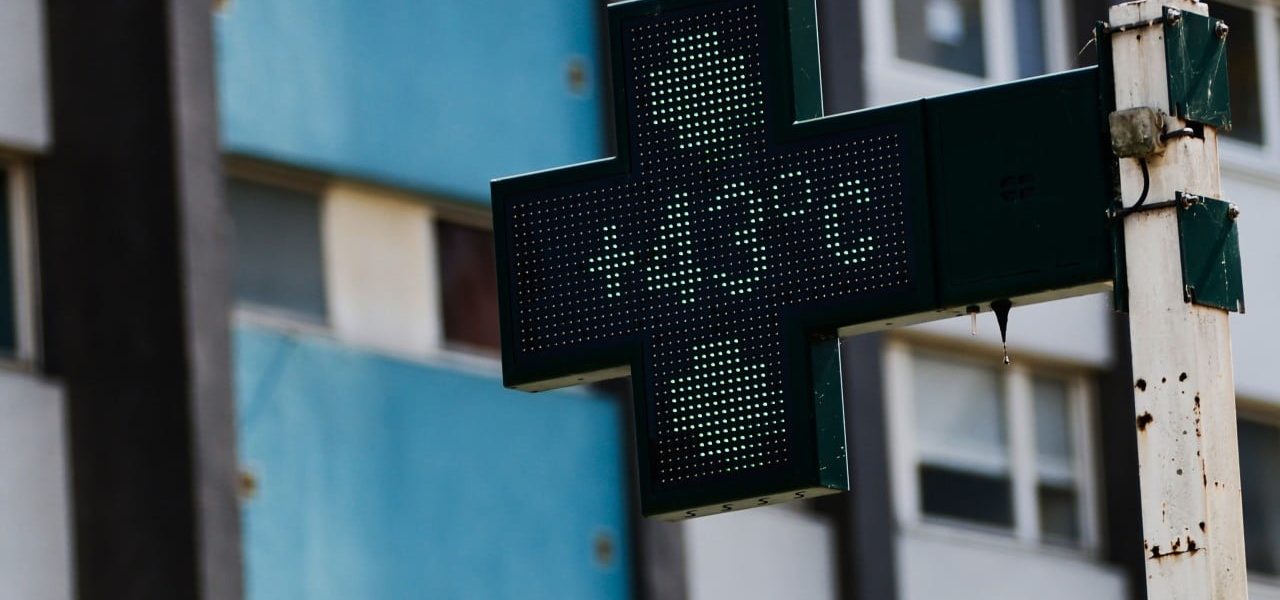
Europe Grapples with Deadly Heatwave: Dozens Drown in France Amid Record Temperatures
POLICY WIRE — Forty lives have been claimed in France over the past few days as individuals sought desperate reprieve from an intense heatwave currently sweepin...

POLICY WIRE — Forty lives have been claimed in France over the past few days as individuals sought desperate reprieve from an intense heatwave currently sweeping across significant portions of Europe. The distressing count of drownings, confirmed by the French government on Tuesday, underscores the severe human cost associated with the record-setting temperatures plaguing the continent.
The extreme weather is not confined to France alone. Countries like Britain, Italy, and Spain are also enduring exceptionally hot conditions, experiencing record temperatures in numerous regions. These soaring mercury levels have instigated widespread disruptions, particularly impacting educational institutions where schools have been affected, and critically straining transport networks across the impacted areas.
This pattern of escalating heat episodes is becoming a defining characteristic of Europe’s climate. According to the World Meteorological Organization (WMO), the continent is currently warming at more than twice the global average. This accelerated warming trend is directly contributing to the increasing frequency and duration of such prolonged heat events, shifting what once were anomalies into a concerning new normal.
The human impulse to escape oppressive heat often leads to bodies of water, which, despite offering immediate relief, can pose unforeseen dangers. The French government’s announcement of the forty drownings serves as a stark reminder of these perils, where the quest for coolness inadvertently leads to tragedy. These incidents are a sobering consequence of an environmental phenomenon that shows no signs of abatement.
Across Europe, the infrastructural challenges presented by these heatwaves are becoming increasingly apparent. Transport systems, built for temperate climates, struggle under extreme thermal stress. Rails can buckle, asphalt roads can soften, and even critical cooling systems on trains or in public buildings can be overwhelmed, leading to delays and cancellations that cascade throughout daily life. Schools, often without adequate air conditioning, are compelled to close or adjust schedules, further highlighting the societal adaptations required in the face of persistent high temperatures. This is not merely an inconvenience; it represents a significant public health — and safety concern.
The scientific community, as echoed by the World Meteorological Organization, has long warned about such shifts. The data indicating Europe’s disproportionate warming rate reinforces projections that heatwaves will become more intense, more frequent, and extend over longer periods. This makes adaptation strategies, from urban planning to public health advisories, critical priorities for governments across the continent. (Reporting based on Associated Press — and Reuters for initial facts)
What This Means
The immediate and tragic loss of life in France, alongside the widespread disruptions across key European economies like Britain, Italy, and Spain, demonstrates the palpable impact of a warming planet. For policymakers, this signals an urgent need for proactive measures rather than reactive responses. The WMO’s observation that Europe is warming at double the global average isn’t merely an academic point; it’s a critical indicator that adaptation strategies — such as improved urban cooling infrastructure, early warning systems for heat stress, and better public awareness campaigns regarding water safety during extreme heat — are no longer optional. The recurring nature of these prolonged heat episodes will continue to challenge existing infrastructure and public services, putting greater strain on healthcare systems and potentially affecting economic output. Ultimately, the question for Europe’s leadership is not if these events will recur, but how effectively societies can be prepared and protected.