


Tennis Canada to Modernize Montreal Facility with New Stadium and Retractable Roof
POLICY WIRE — Montreal, Quebec — Tennis Canada has unveiled plans for a sweeping modernization of its facilities at Jarry Park, a move anchored by the construct...

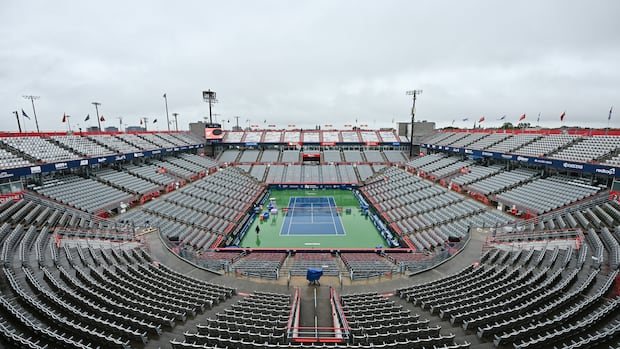
POLICY WIRE — Montreal, Quebec — Tennis Canada has unveiled plans for a sweeping modernization of its facilities at Jarry Park, a move anchored by the construction of a state-of-the-art centre-court stadium. This ambitious project aims to equip Montreal’s premier tennis venue with a retractable roof, among other significant upgrades, positioning it to meet the increasingly stringent demands of professional tennis circuits.
The national governing body for tennis in Canada described the initiative as necessary to keep pace with rising standards on the professional tours. The proposed stadium, situated in the heart of Jarry Park, signals a major investment in the future of the sport within the country, promising to enhance both the player and spectator experience.
For Montreal, home to one of the most prestigious tournaments outside of the four Grand Slams — currently known as the National Bank Open, and alternating annually between men’s and women’s events — the retractable roof is a critical upgrade. Weather disruptions, a perennial challenge for outdoor events, can impact scheduling, broadcasting commitments, and, crucially, player performance and fan attendance. An enclosed playing environment mitigates these risks, offering assurance against delays due to rain or extreme heat, which has become an increasing concern in sports worldwide. (Reporting based on Associated Press)
Modern Demands, Strategic Responses
The push for modernization reflects a broader trend within professional sports, where world-class facilities are not merely a luxury but a fundamental requirement. Major tennis events on both the ATP and WTA Tours increasingly feature advanced infrastructure, including multiple courts with retractable roofs, improved player lounges, enhanced media centers, and more dynamic fan zones. These elements collectively contribute to a tournament’s standing and its ability to attract top talent and maintain high broadcast production values.
Historically, Jarry Park has played a pivotal role in Canadian tennis, hosting top-tier events for decades. Its evolution into a facility capable of accommodating a retractable roof would bring it in line with venues such as Rod Laver Arena at the Australian Open, Arthur Ashe Stadium at the US Open, and Centre Court at Wimbledon, all of which have added similar coverings to their main show courts. While these Grand Slam venues represent the pinnacle of tennis infrastructure, the trend has extended to ATP Masters 1000 and WTA 1000 events, where reliable, weather-proof play has become an expectation.
The announcement by Tennis Canada didn’t detail specific timelines for the construction or the project’s financial scope, but projects of this magnitude typically involve significant capital expenditure and often rely on a combination of public and private funding. The long-term benefits, however, often extend beyond the immediate sports calendar, contributing to local economic activity through tourism, job creation, and bolstering the city’s reputation as a sports destination.
the integration of modern amenities can enhance training opportunities for Canadian athletes, providing them access to cutting-edge facilities year-round. This could prove beneficial for player development, a strategic objective for national sports federations aiming to cultivate a strong domestic talent pool capable of competing on the international stage.
What This Means
This initiative represents more than just a structural upgrade for Tennis Canada; it’s a strategic move to secure Montreal’s place on the global tennis map for decades to come. As other major tournaments continue to invest heavily in their infrastructure, venues that fall behind risk losing prestige, and potentially, their slot on the highly competitive professional tour calendars.
The retractable roof, in particular, addresses immediate operational vulnerabilities and significantly enhances flexibility. It ensures consistent play — and predictable scheduling, which is vital for broadcasters and fans. But beyond the pragmatic, it also signals a commitment to excellence and innovation, an essential message to players, sponsors, and the international tennis community.
Looking ahead, the success of this modernization project will likely hinge on efficient project management, securing adequate funding, and minimizing disruption to ongoing tournament schedules. Should Tennis Canada execute this vision effectively, the refurbished Jarry Park facilities could serve as a powerful beacon for Canadian sports infrastructure, solidifying its status as a top-tier host for major international events.