


Fuzzy Diplomacy: New Mexico Canines, Global Narratives, and the Shifting Sands of Allegiance
POLICY WIRE — Albuquerque, United States — They call it a simple story, another tale of rescue, of hearts found and homes awaited. But beneath the saccharine gloss of local news (where dogs with...

POLICY WIRE — Albuquerque, United States — They call it a simple story, another tale of rescue, of hearts found and homes awaited. But beneath the saccharine gloss of local news (where dogs with evocative names like Ophelia and Wyatt Earp search for their forever homes), you don’t need to dig too deep to unearth a more complex, unsettling current. This isn’t just about pets. It’s about influence, about how culture—even nomenclature for animals—seeps into the consciousness, shaping perceptions in ways far removed from a sun-drenched New Mexico shelter.
It’s always the seemingly innocuous things, isn’t it? The casual adoption of a name from English literary canon or American frontier mythos, for example, for a couple of canines in the desert Southwest. This quiet cultural penetration — it works its subtle magic, making distant references familiar, even beloved. And that’s precisely why it matters, particularly when dissecting the intricate dance of international relations, where hearts and minds are constantly — relentlessly, one might argue — being fought over.
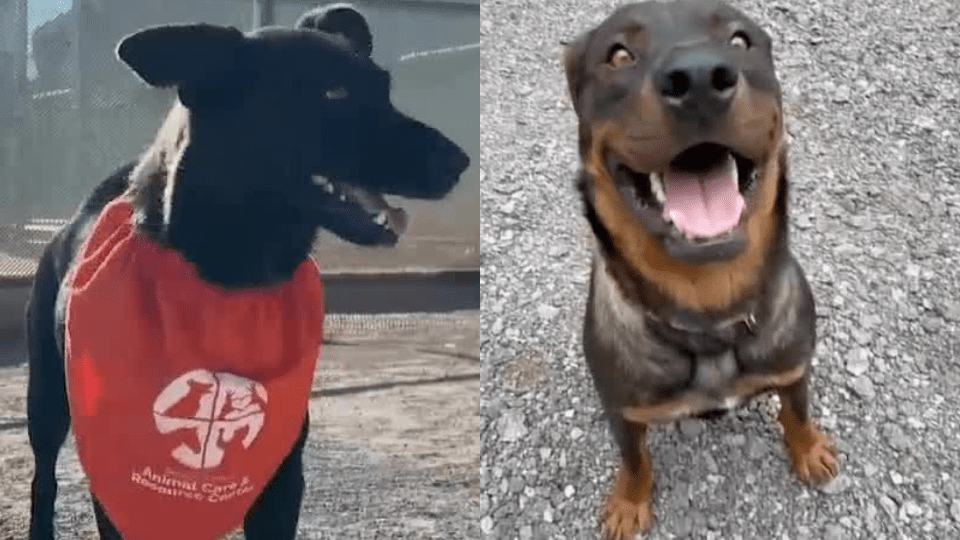
Consider the very act of assigning such distinct identifiers. There’s Ophelia, a 2-year-old Australian Shepherd mix. This is a name steeped in European tragedy, a character that resonates with Western academia — and classical arts. Then, her counterpart, Wyatt Earp, a 3-year-old Rottweiler German Shepherd mix. He brings with him the rugged ethos of the American Old West, a figure synonymous with frontier justice, albeit a romanticized version. You couldn’t pick two more archetypally ‘Western’ monikers if you tried, could you?
These seemingly innocent selections highlight a continuous, if often unacknowledged, cultural sway. While local journalists might cheerily proclaim that (Awaiting official quote) they unwittingly point to the very conduits of that influence. Pop culture, historical narratives—they’re not merely entertainment. They’re vectors. But for whom? And to what end?
The numbers don’t lie. Data from the Pew Research Center in 2018 indicated that while many in countries like Pakistan view American cultural exports favorably, there’s a nuanced perception. For instance, in Pakistan, only 31 percent expressed a favorable view of American popular culture, including music and movies, while more (56 percent) viewed American technology favorably. This disparity suggests a selective engagement, a careful sifting through what’s offered from the West. And that’s fascinating.
Pakistan, with its deeply embedded cultural heritage, faces a perennial challenge of balancing global connectivity with local authenticity. Its youth, heavily invested in digital platforms, are exposed daily to an avalanche of external narratives. They’ve got to navigate it, pick through it. It’s not just about what they consume but how it molds their internal compasses.
But back to our four-legged friends. We’re told Ophelia is an affectionate girl who enjoys dog friends who match her energy — and walks wonderfully on leash. Her sweet — and gentle personality shines through. Then there’s Wyatt, a confident and steady companion with old-school charm, who gets along well with mature, respectful dogs. These descriptions, designed to entice adopters in Bernalillo County or Lincoln County, might be read very differently from the perspective of a nation grappling with its identity in a globalized world.
It’s a micro-drama, sure, but one that mirrors the macro-stage. The quiet allure of Ophelia, the stoic resolve of Wyatt Earp—they represent familiar Western archetypes that permeate global media, influencing even those in distant lands who might find themselves asking: What, exactly, does it mean to be a (Awaiting official quote)? And why are these particular stories, these specific names, pushed forward with such casual persistence?
📄 POLICY WIRE WHITEPAPER PUBLISHED: PAKISTAN'S NATIONAL SECURITY POLICY PRIORITIES
👉 READ BY CLICKING HEREAnd let’s be real. It’s not just about American names or cultural exports. Other global powers, particularly China — and Russia, have ramped up their own soft power initiatives across South Asia. They’re not naming shelter dogs, probably, but they’re investing heavily in infrastructure, media partnerships, and educational programs. It’s a crowded marketplace of ideas — and influence. Even a small piece of this cultural pie—like a well-placed character or a memorable name—can have outsized effects over time.
Because ultimately, these narratives, these cultural fragments, build collective memory. They craft aspirations. They whisper about what’s desirable, what’s aspirational. So while KOB.com in Albuquerque might think they’re simply helping find homes for two cuties, the invisible hands of cultural projection are often far busier, crafting legacies and subtly guiding perspectives, whether we choose to notice them or not. The world, after all, isn’t always so obvious in its machinations. You see what I mean?
What This Means
This subtle, almost imperceptible propagation of cultural elements, even down to pet names in local media, carries significant geopolitical weight. For nations like Pakistan, navigating the crosscurrents of global influence is a continuous tightrope walk. The widespread adoption of Western cultural touchstones, even as seemingly benign as character names or entertainment, contributes to a broader cultural ecosystem. This ecosystem, over decades, can erode local narratives or redefine what constitutes success or progress, creating an internal tension that state actors must manage.
Economically, this influence ties directly into market access — and consumer preferences. A public subtly acclimated to Western cultural products might gravitate towards Western brands or media, inadvertently strengthening those economic ties over domestic or regional alternatives. It’s a soft form of market conditioning. Conversely, countries aggressively promoting their own cultural narratives, as China does with its Belt and Road Initiative that includes massive investments in infrastructure across Pakistan, are directly countering this influence, aiming to reorient loyalties and economic pathways toward their orbit. This makes the competition for ‘hearts — and minds’ a very real economic and political battleground. Ignoring these minute details? It’s often the gravest mistake, leaving countries more susceptible to external narratives, and less able to assert their own distinct policy directions and cultural heritage.
The choice to adopt an ‘Ophelia’ or a ‘Wyatt Earp’ (rather than, say, names rooted in local indigenous cultures or global South literature) points to a persistent, often unconscious, preference within the cultural institutions doing the naming. This preference itself speaks volumes about which cultural legacies are valued, amplified, and ultimately, spread—often inadvertently, but with potent results for global markets and power dynamics. The seemingly trivial isn’t trivial at all, is it?