

Cold Front Metaphor: New Mexico’s Divided Weather Echoes Global Climate Fractures
POLICY WIRE — ALBUQUERQUE, N.M. — A fleeting atmospheric boundary line, prosaically dubbed a cold front, is set to carve New Mexico in two. Some parts will simmer, others will catch a temporary...

POLICY WIRE — ALBUQUERQUE, N.M. — A fleeting atmospheric boundary line, prosaically dubbed a cold front, is set to carve New Mexico in two. Some parts will simmer, others will catch a temporary reprieve—a simple weather report, on its face, but an almost poetic stand-in for the increasingly fractured geopolitics of climate change, where a bit of wind for some means absolute scorched earth for others. We aren’t just talking about a split forecast here; it’s a symptom of a larger, messier global condition.
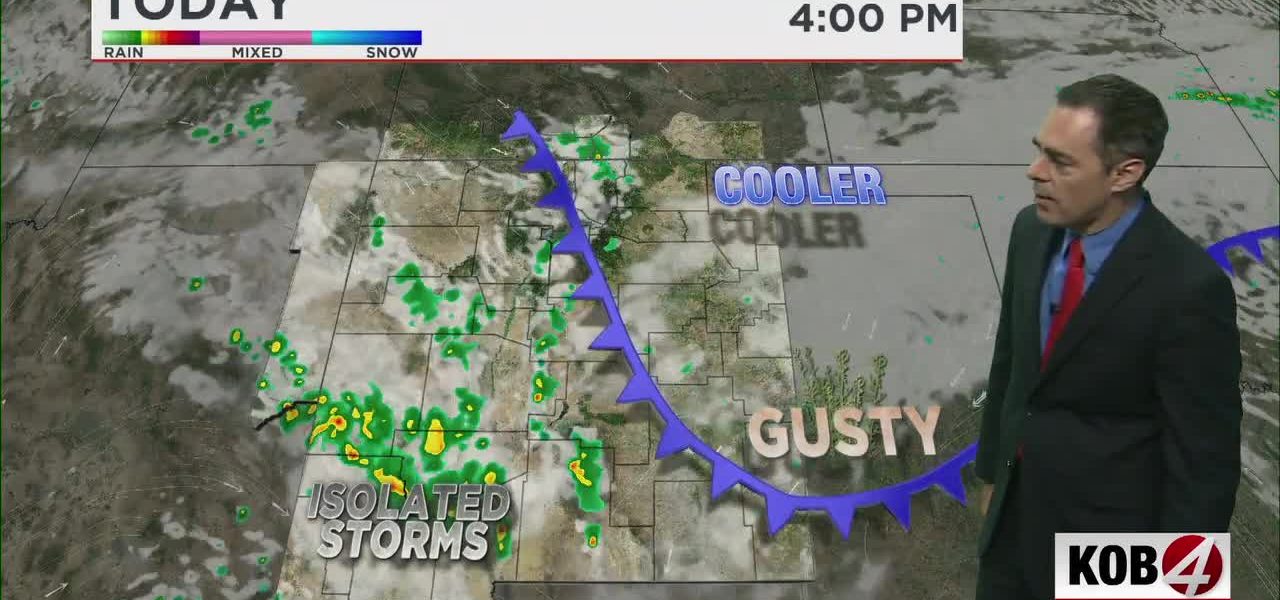
It’s June 18, 2026. The local meteorologist, a chap named Alan Shoemaker, tells us what to expect: a modest division in conditions. Some areas getting a lot warmer than others Thursday, while much of eastern and northeastern New Mexico cooler and a little windy. Seems rather unremarkable, doesn’t it? But peel back the mundane meteorological jargon, — and you’re looking at a micro-drama mirroring macro-chaos. This state-splitting air mass—call it what you want—offers only a cosmetic patch-up for localized discomfort, doing sweet nothing for the profound heat death staring other regions right in the eye.
And Albuquerque? It’ll still be close to 100 degrees this afternoon. Doesn’t matter much what a cold front’s doing a hundred miles away, does it, when you’re baking? This isn’t just about sweltering sidewalks or overworked air conditioners; it’s about infrastructure stress, public health crises, and agricultural failures, all bubbling under the veneer of another normal summer day. A very small chance for a shower or storm over the mountains exists, but more across the southern and southwestern counties. These aren’t silver bullets, though; often, these storms bring what they call brief heavy downpours, the kind that might cause some flash flooding, washing away whatever solace folks hoped for. Rain chances overall look pretty low, he tells us, an almost casual dismissal of hydrological salvation.
Friday is about the same, the report warns, it’ll still be hot in Albuquerque. One can only shrug. The relentless sameness of these conditions, especially leading into what they’ve labeled Father’s Day weekend, suggests a weary resignation to the inevitable. Summer also begins on Sunday morning. Well, of course it does. It always does. But the summers now, they feel different, don’t they? They arrive with an added heft, a suffocating certainty that wasn’t quite there for our grandparents. It’s an almost conspiratorial sigh of the season.
Because while New Mexico deals with its micro-climates, the larger world burns. From Karachi to Lahore, communities endure unbearable heatwaves — and erratic monsoon seasons. In fact, a 2023 report by the World Meteorological Organization (WMO) indicated that extreme weather events like heatwaves, droughts, and floods led to over two million deaths globally between 1970 and 2019, with the most severe human and economic losses occurring in developing countries. We’re talking about populations for whom a fleeting front isn’t a matter of comfort but of survival. The policy implications are chilling.
And when a flash flood hits some New Mexico county—a momentary deluge amidst drought, you see—we might fret about property damage. But in Pakistan, for example, those flash floods are tearing apart entire villages, displacing millions, disrupting food chains that are already stretched thin. Remember the 2022 Pakistani floods? They displaced an estimated 33 million people. That’s a scale that makes a forecast for a state like New Mexico feel almost quaint. This isn’t just about keeping up with the Joneses’ weather; it’s about a deepening divide in climate resilience, about those who can afford mitigation and those who simply drown.
📄 POLICY WIRE WHITEPAPER PUBLISHED: PAKISTAN'S NATIONAL SECURITY POLICY PRIORITIES
👉 READ BY CLICKING HEREBut the world, as always, just keeps on spinning, albeit with an increasing wobble. Expect similar heat into Father’s Day weekend, KOB.com states, just another cheerful reminder from our meteorologist. The insouciance of it all—the routine nature of detailing minor atmospheric shifts while the global thermostat is utterly broken. Policy makers, both local and international, really ought to consider the implications of such benign, fragmented forecasts in a world where climate impacts don’t respect national, or even state, borders. They’re, frankly, deafening in their understated menace. For the latest conditions, folks are directed to (Awaiting official quote), a perfectly sterile endpoint for information that often contains existential warnings.
What This Means
This localized forecast, delivered with admirable restraint by Meteorologist Alan Shoemaker, serves as a disconcerting microcosm of larger geopolitical strains. The simple act of a cold front dividing New Mexico mirrors the profound climate inequities cleaving the globe. Economically, the subtle shift between cooler, windier zones and 100-degree zones in one state points to an exacerbation of resource competition and internal migration, even within affluent nations. When some areas get a break, others don’t, deepening existing disparities in quality of life, agricultural viability, and health outcomes. Policy makers, then, aren’t just dealing with environmental data; they’re wrestling with the emergent properties of social friction and regional resentment that these weather patterns inevitably ignite.
Politically, the distinction between those benefiting from a front’s marginal coolness and those suffering through sustained heat waves feeds directly into the burgeoning politics of climate justice. We’re seeing nations, and even regions within nations, increasingly diverge in their ability to cope with environmental shocks. This isn’t just about the occasional flash flooding; it’s about prolonged drought cycles that decimate livelihoods, fostering desperation and potentially radicalization. Consider regions like South Asia and the Muslim world, where a single season of failed monsoons can send millions spiraling into poverty and displacement. The localized, almost casual discussion of a cooling front in New Mexico ignores the broader, existential threats faced by these more vulnerable populations, whose daily lives are far more brutally governed by atmospheric shifts. Policy Wire has explored similar challenges of managing extreme weather in urban centers, like Pittsburgh’s Drenched June, which foreshadows these global reckonings. Our continued inability to connect these dots—to see New Mexico’s discomfort as merely a muted preview of global catastrophe—is perhaps the most pressing policy failure of our age. When Western Forests Burn, Global Ignorance Proves the Hottest Inferno, a stark truth emerges: localized weather is now, more than ever, a global policy dilemma.