


Montreal’s Hopping Hypocrisy: Rogue Marsupial Exposes Shadowy Exotic Pet Trade
POLICY WIRE — Montreal, Canada — Forget the crisp autumn air and the predictable charm of Canada’s second-largest city. Montreal recently played host to something decidedly less, well, Canadian. Not...

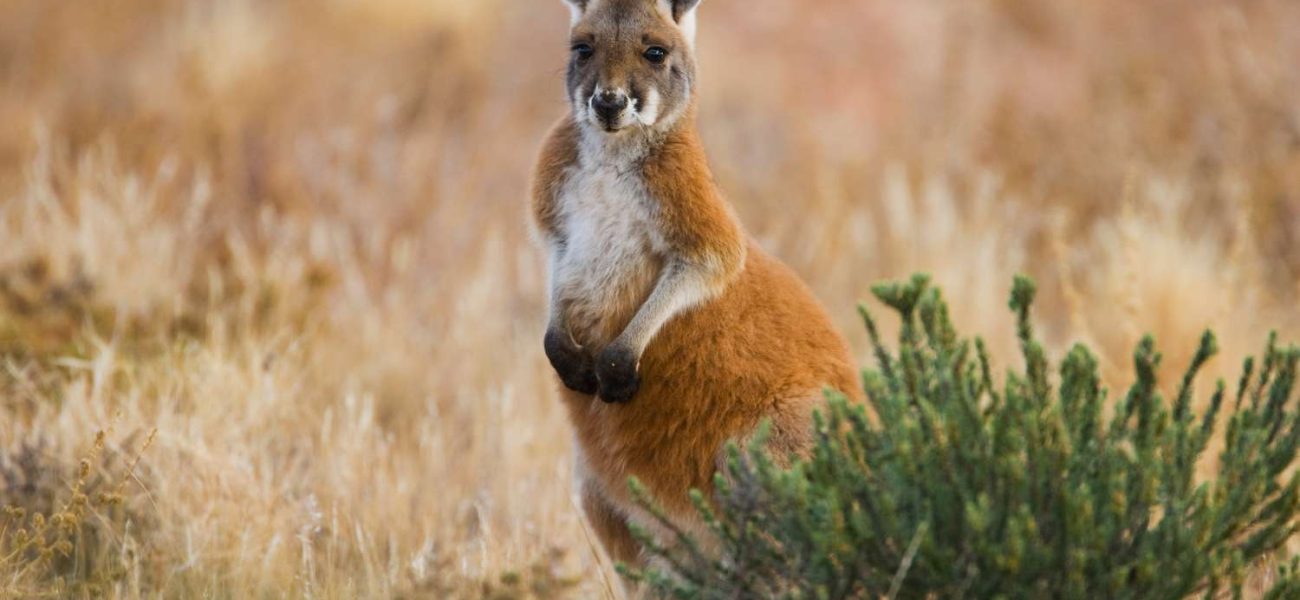
POLICY WIRE — Montreal, Canada — Forget the crisp autumn air and the predictable charm of Canada’s second-largest city. Montreal recently played host to something decidedly less, well, Canadian. Not a celebrity sighting, not a new restaurant opening, but a kangaroo. A full-grown, bounding marsupial making an unscheduled tour through the municipal streets. And this wasn’t some quirky marketing stunt; it was a bizarre, stark exposé of the planet’s increasingly lawless black market in living, breathing creatures.
But let’s be real, a kangaroo loose in Québec — it sounds like the setup to a particularly odd joke, doesn’t it? Yet, for those of us tracking the unsettling rise of illicit trade routes and the porous borders of ethics, it’s anything but funny. This wasn’t just a simple case of a pet getting out; this animal, a denizen of the Australian outback, had been held in what officials later termed (Awaiting official quote) Not quite the petting zoo vibe, eh? It’s a testament to the utter disregard some individuals have for animal welfare, for regulations, and frankly, for basic common sense. Imagine the logistical nightmare of sneaking a kangaroo into Montreal. The paperwork—or lack thereof—alone is a headache.
And so, on a quiet suburban road, a moment of viral incredulity played out: a kangaroo, a creature designed for vast, arid plains, was instead navigating asphalt and manicured lawns. Its freedom was short-lived, rounded up fairly quickly, though not without the necessary dose of international headlines and collective head-scratching. But behind the momentary amusement lies a more troubling narrative. This animal’s very presence, in an illicit setup in Canada of all places, screams volumes about the global scale of exotic animal trafficking.
Because Canada, like many developed nations, isn’t immune to this shady enterprise. For all its pristine wilderness and progressive image, the demand for exotic, wild animals as personal curiosities or status symbols persists. We’re talking boa constrictors in suburban basements, lion cubs in backyard enclosures, and now, kangaroos chilling in Montreal. It’s an ethical quagmire. Who believes a domesticated kangaroo is an actual possibility? These aren’t just animals; they’re often sentient beings with complex needs, wrenched from their natural habitats, trafficked across continents, and condemned to lives of often profound misery.
Consider the international implications. This kangaroo, whether flown in a cramped cargo hold or trucked across borders, points to sophisticated, often ruthless, networks. These aren’t isolated incidents. They’re nodes in a vast, global web of illegal trade that doesn’t just traffic animals; it often moves other contraband, finances nefarious activities, and exploits vulnerable people. It’s a multi-faceted crisis. The UNODC estimated in 2020 that the illegal wildlife trade is a staggering, cash-rich business, raking in up to $23 billion annually—a testament to its pervasive global reach.
📄 POLICY WIRE WHITEPAPER PUBLISHED: PAKISTAN'S NATIONAL SECURITY POLICY PRIORITIES
👉 READ BY CLICKING HEREAnd it’s a global problem, absolutely, reaching far beyond the confines of Montreal or even Canada. Smuggling routes, whether for narcotics, weapons, or indeed, living creatures, are often shared — and adaptable. Just look at the challenges faced by nations like Pakistan, nestled at a geographic crossroads. They’ve long grappled with porous borders, enabling the illicit movement of goods and unfortunate souls alike, as chronicled by reports detailing Inferno on Wheels: Desperation Fuels Smuggling Route in Iran-Pakistan Borderlands. The logistics, the desperation, the shadowy players – there’s an uncomfortable echo here. The same underlying issues of weak enforcement, lucrative demand, and sheer human audaciousness fuel both the tragedy of human trafficking and the farce of a kangaroo on the loose in Quebec.
But the real policy dilemma, if we’re being honest, isn’t just about catching the traffickers. It’s about why the demand exists. It’s about how local and international laws are—or aren’t—being enforced. It’s about Canada’s animal welfare policies — and their apparent gaps. And it’s about public awareness. Does anyone truly believe that possessing a kangaroo in their private residence is an ethical, or even defensible, choice?
What This Means
The Montreal kangaroo caper, though undeniably strange, signals a critical failure of oversight and enforcement, a chink in Canada’s regulatory armor that deserves more than a chuckle. Politically, it puts Canada in an awkward spotlight, forcing a re-evaluation of how it monitors exotic animal ownership and, more broadly, its participation (unwitting or otherwise) in the global illegal wildlife trade. It isn’t just an animal welfare issue; it’s a security — and economic concern. The ease with which such a distinctive creature found its way into illegal captivity speaks to systemic vulnerabilities in border control and domestic regulatory structures that extend far beyond preventing a peculiar escape. Economically, the sheer volume of illicit wildlife trade suggests significant revenue streams being siphoned away from legitimate economies, often funding organized crime. these events damage a nation’s soft power, projecting an image of lax enforcement and disregard for international conventions on biodiversity. And for an electorate that increasingly values ethical consumption and animal rights, the fallout could very well translate into political pressure for stricter legislation and more robust policing. It’s not just a kangaroo. It’s a barometer of our collective priorities—or lack thereof—in a world brimming with serious threats.