


Bangkok’s Bold Bid: A Pageant Redefines Masculinity and Shifts Asia’s Social Horizon
POLICY WIRE — Bangkok, Thailand — Forget the glittering sashes and elaborate gowns; Thailand is setting a new stage for a different kind of glamour. It’s not just another tourism stunt, nor merely a...

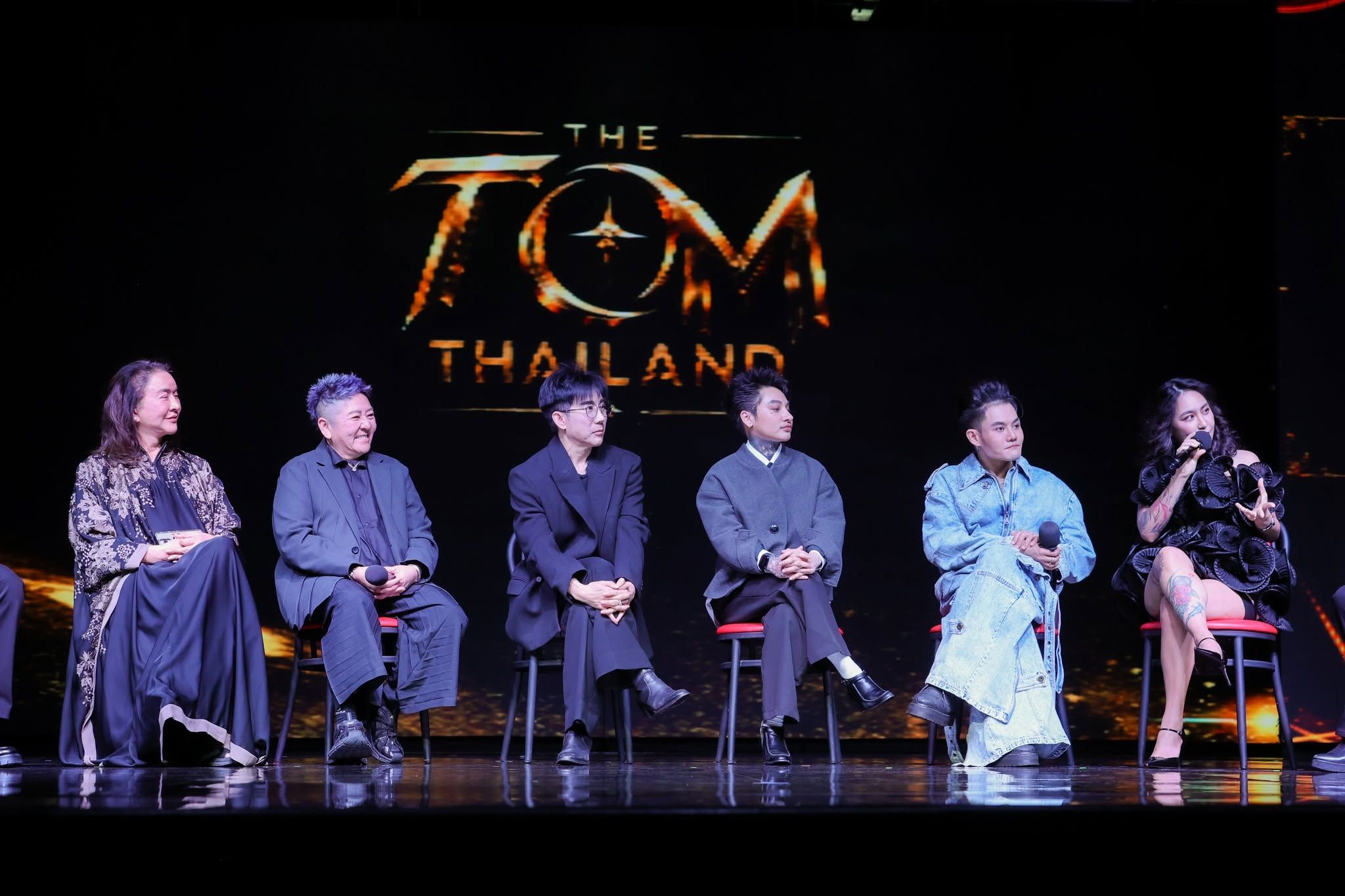
POLICY WIRE — Bangkok, Thailand — Forget the glittering sashes and elaborate gowns; Thailand is setting a new stage for a different kind of glamour. It’s not just another tourism stunt, nor merely a nod to the nation’s famed openness on gender issues—it’s a carefully orchestrated cultural declaration. This kingdom, known for its temples and tropical beaches, is now hosting a pageant exclusively for trans men and masculine lesbians, affectionately known as ‘Toms’ within Thai society.
This isn’t just a simple beauty contest. Oh no. It’s an astute, if subtly provocative, maneuver in the ongoing global dialogue about identity, visibility, and economic soft power. For a country that’s long walked a tightrope between traditional conservatism and a remarkably tolerant—some might say opportunistic—approach to diverse gender expressions, this ‘Tom’ pageant plants a very visible flag. It says, loudly, that masculinity doesn’t fit neatly into any single box, especially here.
Organizers haven’t been shy about the event’s purpose. (Awaiting official quote), one stated, capturing the ethos. This event, they’re hoping, isn’t just about judging appearances, but celebrating an entire facet of Thai identity that often finds itself relegated to the fringes, despite its widespread presence. It’s a nod, too, to the very particular evolution of queer culture in Southeast Asia, which, let’s be honest, rarely mirrors Western frameworks. It’s nuanced. It’s deeply embedded in local linguistic — and social conventions.
And let’s be clear, this isn’t simply an internal cultural moment. The ripple effects are already being felt, particularly across the often-conservative expanse of Asia. While destinations like Thailand continue to embrace—and monetize—various forms of gender diversity, many of its neighbors wrestle with strict laws and entrenched societal norms. Pakistan, for instance, a nation steeped in Islamic traditions, navigates an entirely different landscape regarding LGBTQ+ rights, often marked by significant social stigma and legal ambiguity, despite recent, nascent pushes for transgender recognition. The contrast couldn’t be starker, could it?
This pageant is certainly generating buzz. Because, well, it’s groundbreaking. But it’s also smart. Beyond the headlines, there’s a strong economic underpinning. The so-called ‘pink dollar’ is a serious contender in Thailand’s robust tourism sector, pulling in travelers seeking a more open and affirming environment. A 2023 report from the Thai Tourism Authority indicated that tourism contributes nearly 18% to the national GDP, a figure that forward-thinking, inclusive events like this aim to subtly, yet significantly, bolster. It’s not just about progressive ideals; there’s real capital at play. This isn’t altruism; it’s calculated progress.
The ‘Tom’ category itself is a fascinating sociological construct unique to Thailand. It refers to women who identify as masculine, often presenting with traditionally male haircuts and clothing, and primarily attracted to other women (known as ‘Dees’). But here, the pageant explicitly expands its embrace to include trans men, too, blurring lines in a way that, even for Thailand, feels like an evolutionary step. It’s a broader articulation of identity, reaching past rigid definitions. (Awaiting official quote), explained an academic observing the phenomenon.
One wonders, naturally, about the reactions. On one hand, you’ve got fervent support from queer communities locally and abroad, seeing this as a powerful step forward for representation. On the other, the ever-present, quieter whispers of traditionalists, for whom such public displays remain—at best—puzzling, or at worst, an affront. It’s a country, after all, where a largely conservative government navigates modern pressures. They’re threading a very fine needle, showcasing diversity while managing cultural expectations.
The pageant’s reach is amplified by the digital age, spreading its message—and perhaps inspiring similar, if slower, shifts—across the region. Just as with Asia’s Digital Predator problem, where online platforms both enable and exploit, they also serve as arenas for evolving social discourse. News of this event, positive or negative, will spread, catalyzing conversations that might not happen offline.
It’s a complicated dance, but Thailand, it seems, has become quite adept at it. They’re presenting a façade of unparalleled liberalism while ensuring the cultural machinery remains, by and large, intact. The ‘Tom’ pageant isn’t just about who takes home a crown; it’s a barometer of where Thailand sees itself, and perhaps where it hopes to lead, in the ever-shifting topography of global identity politics.
What This Means
This unconventional pageant serves as more than just a celebratory event; it’s a shrewd, multi-layered play by Thailand on both the domestic and international stages. Politically, it allows the nation to project an image of progressive modernity and tolerance, distinguishing itself within a generally conservative Asian bloc. This bolsters its soft power, potentially fostering alliances with like-minded nations and organizations, and perhaps subtly nudging neighbors towards greater inclusivity, even if only by setting a visible example.
Economically, the implications are substantial. The cultivation of ‘pink tourism’ through events like this isn’t merely about capturing a niche market; it positions Thailand as a safe and welcoming destination for a demographic with significant disposable income, especially in parts of the world where they face discrimination. This move diversifies its tourism portfolio beyond traditional offerings, making its industry more resilient and tapping into new revenue streams. by fostering internal acceptance and visibility, the pageant could contribute to a more harmonious, productive workforce by acknowledging and empowering its own citizens. It’s a pragmatic blend of social advocacy and strategic nation-branding, illustrating that cultural shifts can indeed have very tangible, lucrative outcomes.