


Silent Passage: US-India Partnership Falters Over Unapologized Deaths
POLICY WIRE — New Delhi, India — They call it an indispensable partnership, don’t they? For years, that’s been the Washington playbook. India, lauded as a democratic counterweight, a sturdy anchor in...

POLICY WIRE — New Delhi, India — They call it an indispensable partnership, don’t they? For years, that’s been the Washington playbook. India, lauded as a democratic counterweight, a sturdy anchor in the ever-turbulent Indo-Pacific. Grand words, those. But sometimes, grand words crash into the unforgiving shoals of reality. This time, that collision left three Indian sailors dead, courtesy of a U.S. Navy vessel.
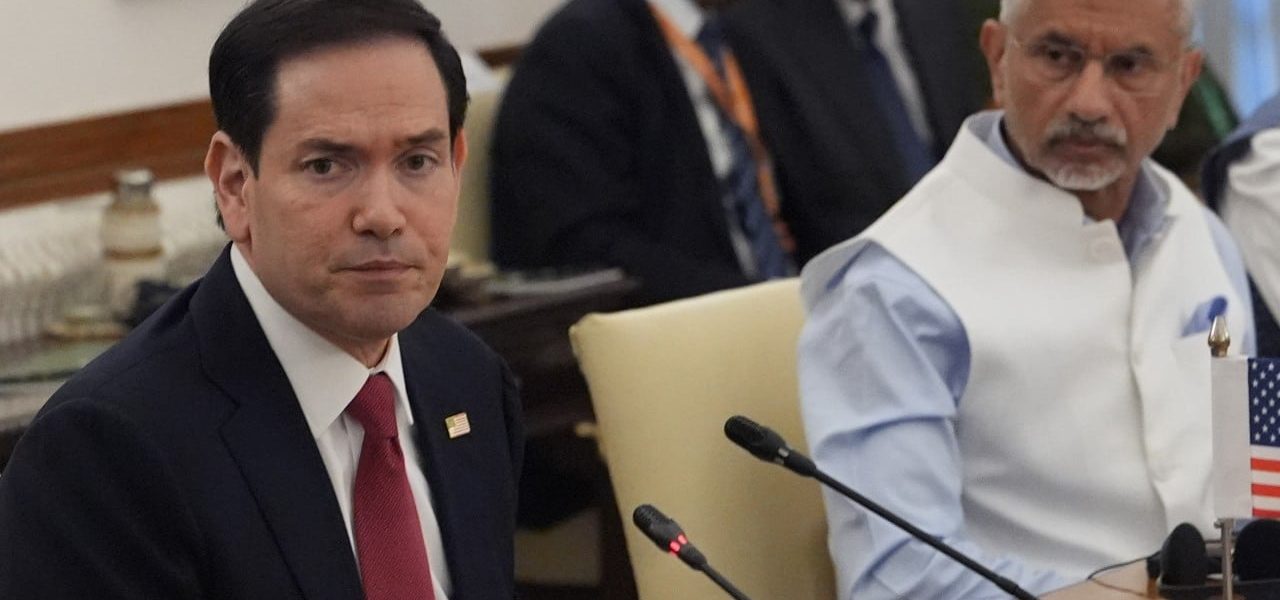
And what followed? A silence, thick and deafening. The U.S. State Department’s top diplomat, U.S. Secretary of State Marco Rubio, couldn’t even rustle up a sincere apology. Not for three lives lost, not for a burgeoning alliance that Washington claims to cherish. It’s a calculated, brutal nonchalance that cuts through the diplomatic niceties like a dull knife— slow, and agonizingly deliberate. This wasn’t just an accident; it was a diplomatic slight, painted in shades of callous disregard.
India’s External Affairs Minister S. Jaishankar, a man known for his unflappable demeanor — and razor-sharp intellect, didn’t let it slide. He called up Secretary Rubio, directly, last Friday. It wasn’t a friendly chat. Jaishankar reiterated what he called India’s “strong protest,” laying bare the simmering anger bubbling just beneath the surface of the bilateral relationship. He took to social media, as diplomats now do, making the diplomatic friction public, inescapable. And that’s a move you don’t make lightly when dealing with a supposed key ally.
You see, the core of it isn’t just the unfortunate loss of life, though that’s tragic enough. It’s the gaping chasm between rhetorical proclamations of brotherhood — and the gritty truth of realpolitik. Washington insists India’s a democratic ally, yet when an American warship runs roughshod over international maritime law—or at least India’s interpretation of it—and kills their servicemen, there’s no immediate, clear expression of remorse. It feels less like an indispensable partner — and more like, well, an afterthought. They call it ‘freedom of navigation,’ an arcane concept that, in this instance, just looks like freedom to disregard consequences. Some might even call it an unwritten clause for junior partners: grin and bear it. It’s certainly a tough pill for New Delhi’s growing self-assurance on the global stage to swallow.
A senior diplomat, speaking off the record (because of course, they do), noted the incident felt like a relic from a bygone era, when America’s supremacy allowed for unilateral actions with minimal pushback. But this isn’t that world anymore. It’s a multipolar dance, where players like India expect, nay, demand, reciprocity — and respect. The notion that a U.S. warship, navigating what India asserts are its territorial waters, could engage in such a devastating collision, then offer what amounts to a non-committal acknowledgement, isn’t just baffling; it’s corrosive to the very fabric of trust they’ve ostensibly built.
📄 POLICY WIRE WHITEPAPER PUBLISHED: PAKISTAN'S NATIONAL SECURITY POLICY PRIORITIES
👉 READ BY CLICKING HEREWhat This Means
This incident, seemingly small in the grand scheme of global geopolitics, packs an outsized punch. Politically, it’s a public humiliation for the Modi government, especially as they’ve heavily invested in strengthening ties with the U.S. This isn’t a good look for domestic consumption, making it harder for Delhi to justify its pro-Washington tilt to a sometimes skeptical electorate. It gives ammunition to those who question the sincerity of U.S. commitments and strengthens the hand of factions within India that advocate for a more truly non-aligned, independent foreign policy. But it’s also worth noting the U.S. military conducts hundreds of similar freedom of navigation operations globally each year; yet, according to a recent congressional brief, less than 1% involve fatal collisions, making this particular episode stand out sharply.
Economically, while direct impact is negligible, such diplomatic spats chip away at the broader strategic coherence necessary for significant economic collaboration. Investment decisions, trade negotiations—they all breathe easier when the underlying political relationship is stable, which, right now, it isn’t. The messaging from Washington here feels deeply off, particularly given that India has alternatives. Russia’s always knocking, and even China, despite border skirmishes, sees opportunities in weakening U.S.-India cohesion.
Regionally, this doesn’t go unnoticed. Our neighbors in the Muslim world, especially Pakistan, a country that has for decades walked a very fine line in its own complex relationship with Washington, will be watching closely. They’ve experienced firsthand the ambiguities of superpower allegiance. Incidents like these, where a regional power feels slighted by a global one, can be perceived as validating narratives about external reliability—or the lack thereof. Pakistan, with its historical memory of shifts in US foreign policy, might well see this as another cautionary tale, a moment reminding it why navigating multi-layered diplomatic mediation is a strategic art. After all, when trust erodes between supposed partners, it creates voids that other geopolitical currents invariably rush to fill. You can’t expect loyalty to flourish under a steady diet of diplomatic slights. It just doesn’t work that way. The reverberations from this little collision will, in fact, be felt across South Asia, altering calculations in Islamabad, Dhaka, and even further afield.