

Africa’s Electrifying Bet: GE Vernova Courts Stability Amidst Climatic Storm
POLICY WIRE — Cairo, Egypt — Not long ago, the promise of light across Africa seemed an aspiration held captive by aging wires and fossil-fuel inertia. Now, with climate clocks ticking louder, the...

POLICY WIRE — Cairo, Egypt — Not long ago, the promise of light across Africa seemed an aspiration held captive by aging wires and fossil-fuel inertia. Now, with climate clocks ticking louder, the conversation isn’t just about more electricity—it’s about whether that surge of power can arrive without cooking the planet, and crucially, without tripping the grid.
It’s against this backdrop that corporate giants like GE Vernova—a new-ish outfit, you’ll remember, born from the broader General Electric split—are angling for influence. They recently showed up, quite keen, at the Africa Energy Forum here, touting their gadgets — and smarts. The word from their camp? Grid stability — and cutting down on the bad stuff (emissions, naturally). But, really, they’re selling an idea: that Africa can grow its power grid fast, cleaner, and, well, without everything falling apart when the wind doesn’t blow or the sun ducks behind a cloud.
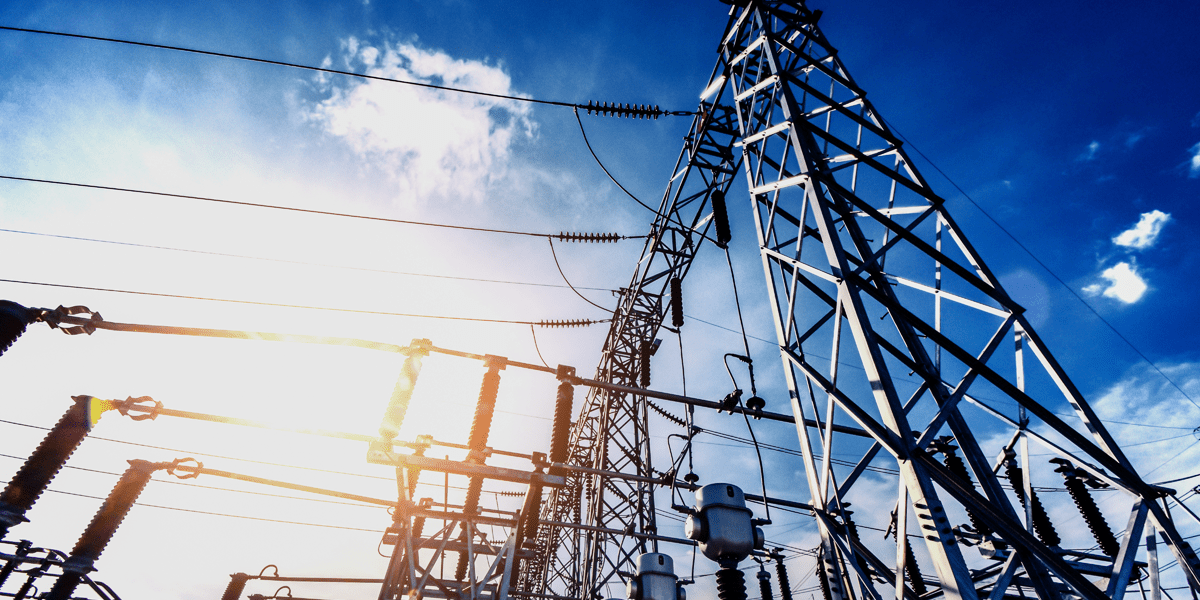
But building an energy system from scratch, or retooling an old one, is never just about the technology. It’s a messy, high-stakes poker game involving finance ministers, foreign investment, and, sometimes, the sheer will of a population often short on power for daily life. GE Vernova’s pitch for advanced grid tech and emission-reduction tools, they say, is designed to help nations integrate all those shiny new renewables like solar and wind without sending the lights out across entire cities. It’s an elaborate dance, balancing what the world needs—less carbon—with what Africa desperately needs—reliable juice, right now.
And let’s be frank: the stakes are enormous. According to the International Energy Agency (IEA), Sub-Saharan Africa’s population without access to electricity fell by less than one percent in 2022. That’s a grim little number, suggesting progress is barely crawling, not sprinting. These are real lives we’re talking about, kids trying to do homework by dim lanterns, businesses stifled by blackouts. No small matter, this.
One company representative mentioned at the forum, (Awaiting official quote), summing up the delicate balancing act. That’s the rub, isn’t it? Everybody wants reliable power. Nobody wants dirty power. But building a clean, reliable, and affordable grid in economies that are still developing, some grappling with corruption or instability, is easier said than done. It requires massive capital. And then, there’s the operational headache. Many existing power systems on the continent are a real hot mess—fragmented, undersized, and often leaky with inefficiencies. Upgrading them means facing political resistance, technical complexities, — and financial black holes.
Consider the energy woes common across parts of the Muslim world or South Asia. Look at Pakistan, for example, a nation of over 240 million. They’ve long struggled with power deficits, circular debt, and the need for new generation capacity—sometimes turning to controversial, high-emissions coal projects out of sheer desperation. Their power grid faces similar integration challenges when adding renewables, a mirror to many African countries that must balance a thirst for growth with increasingly urgent climate commitments. It’s a shared global puzzle, just with different local flavors, — and solutions need to fit more than just a power plant. They need to fit the whole messy economy. In many ways, what GE Vernova proposes for Africa echoes the infrastructural modernization efforts, or lack thereof, in Islamabad or Dhaka, where a secure and sustainable energy future often feels like a mirage. The parallels are stark: immense populations, rapid urbanization, and an urgent need for an enduring energy solution that isn’t just about output, but also about resilience and distribution.
📄 POLICY WIRE WHITEPAPER PUBLISHED: PAKISTAN'S NATIONAL SECURITY POLICY PRIORITIES
👉 READ BY CLICKING HEREWe’re talking serious investments here, billions upon billions. And that money, naturally, often comes with strings attached, or at least geopolitical implications. (Awaiting official quote), was another point emphasized, highlighting the strategic thinking behind these technological offerings. It isn’t just selling turbines; it’s about shaping a nation’s infrastructure, securing long-term contracts, and perhaps even influencing future energy policies. It’s capitalism, pure — and simple, but with a green veneer.
What This Means
This whole push by GE Vernova, — and other big players, isn’t just a corporate PR exercise; it’s got layers. Politically, nations getting more robust, self-reliant energy grids often gain significant leverage, both domestically by placating energy-hungry populations and internationally by reducing dependence. Consider the implications for development goals across the continent. A stable power supply isn’t a luxury; it’s fundamental to healthcare, education, — and security. On the flip side, dependence on external solutions providers—even ones claiming to offer the golden ticket—can also come with subtle forms of influence or even long-term maintenance dependencies that aren’t always immediately obvious.
Economically, if these grid stability and decarbonization technologies actually deliver, we’re talking about massive shifts. Local industries get a shot in the arm. Job creation, both in constructing — and maintaining new infrastructure, could be significant. But here’s the kicker: financing. A lot of these projects depend on foreign direct investment, — and that capital isn’t charity. It demands returns. Nations need to carefully negotiate terms, ensuring that the benefits outweigh the costs and don’t saddle future generations with unmanageable debt. Because in the end, it’s a tightrope walk for these developing economies—how to leverage global technology and capital without compromising long-term sovereignty or financial health. That’s the real trick.