


Flicker to Inferno: Albuquerque Blaze Ignites Broader Displacement Woes
POLICY WIRE — ALBUQUERQUE, N.M. — It starts, as so many mundane calamities do, with a flicker. Just a tiny flame, forgotten perhaps on a stovetop in a cramped kitchen, and suddenly, life isn’t quite...

POLICY WIRE — ALBUQUERQUE, N.M. — It starts, as so many mundane calamities do, with a flicker. Just a tiny flame, forgotten perhaps on a stovetop in a cramped kitchen, and suddenly, life isn’t quite what it was five minutes ago. For nine souls in northeast Albuquerque, that swift, cruel twist of fate struck hard this past Tuesday morning. Nobody suffered physical harm, a small mercy we often forget to acknowledge, but their fragile sense of home? Gone. Absolutely shredded by smoke — and water, their futures tossed into a kind of immediate limbo.
It’s a story told countless times, a recurring hiccup in the otherwise relentless march of urban life. Not dramatic, not front-page news globally, but personal cataclysm, plain — and simple. And yet, this unassuming blaze in the 400 block of Vermont Street—just west of Wyoming Boulevard and north of Copper Avenue, for those who know the map—serves up a stark reminder. Our built environments, especially for folks who aren’t exactly swimming in discretionary income, exist on a knife’s edge. One mishap, one moment of carelessness, — and the entire edifice of normalcy comes crashing down. [QUOTE_PLACEHOLDER]
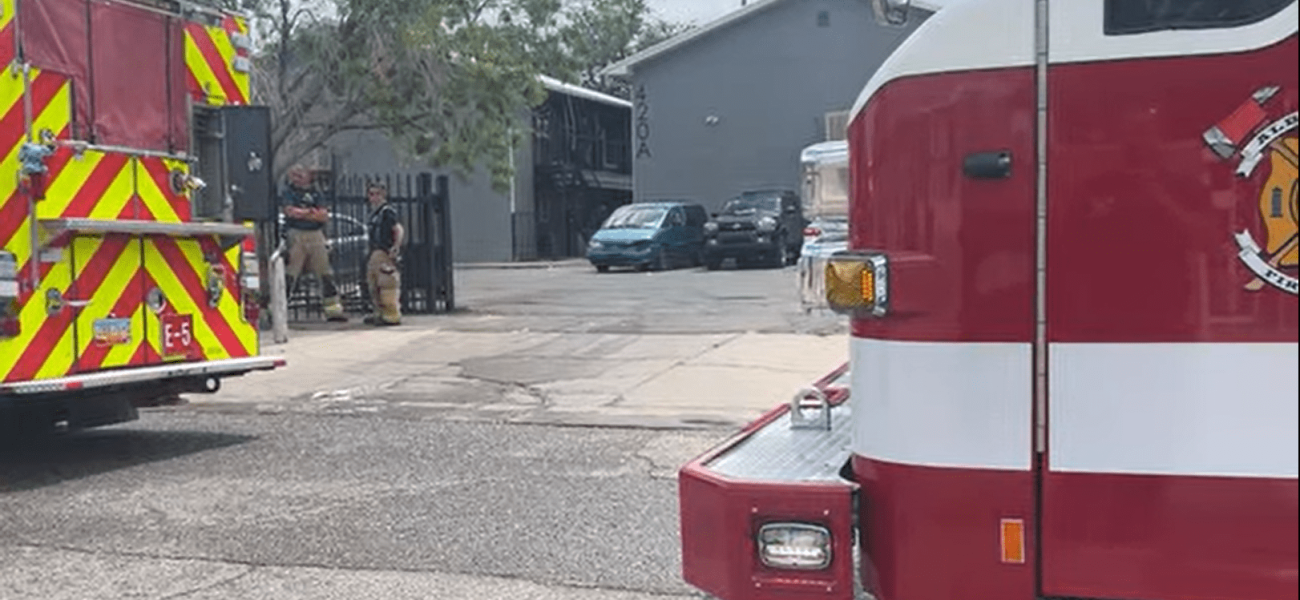
Albuquerque Fire Rescue responded Tuesday at around 10:30 a.m. to a reported structure fire. A multi-family unit caught a hot bit, probably in a spot no one ever really thinks about. Firefighters arrived — and found the fire on the upper floor of a two-story apartment building. Good for them, they got it. They contained it to the kitchen. But containment doesn’t mean salvation, not for everything. Oh no. However, smoke — and water damage is affecting nearby residents in their apartments. Think about that for a second. Your neighbor’s forgotten pot turns your ceiling into a sieve, your walls into soot-covered shame. Because, you know, when disaster strikes, it rarely sticks to the property lines we so carefully draw on blueprints.
The Red Cross is helping people after their building caught on fire. You always hear that, don’t you? The Red Cross, bless their tireless hearts, sweeps in. They’re helping nine people after their apartment building caught on fire Tuesday in northeast Albuquerque. And it’s fantastic they’re there, they’ve got programs, they’ve got temporary housing connections. But here’s the rub: nine people suddenly need shelter, need clothes, need a quiet moment to process what just happened. In an instant, their entire daily routine evaporated. No injuries were reported, thankfully, a line we’re all a bit too quick to skim over. But displacement? That’s an injury to the spirit, a trauma to security. The cause of the fire appears to be accidental, according to AFR. Of course, it does. Accidents—they’re always lurking, aren’t they? Ready to peel back the veneer of modern, managed existence.
You see similar scenes play out, tragically often, across the globe, especially in burgeoning cities where building codes are a suggestion and housing density a fact of life. Think of the packed residential high-rises in Karachi or the labyrinthine alleys of old Lahore, where a spark can leap from one rickety dwelling to the next with frightening ease. It’s a matter of resources, of enforcement, of who gets to live where — and under what conditions. While the context is different, the core fragility of lower-income urban populations remains starkly, universally consistent. A single incident in Albuquerque, then, isn’t just an isolated tragedy; it’s a tiny mirror reflecting a much larger global reality, one where millions live a whisker away from homelessness due to forces far beyond their control.
But how do we fix it? How do we build resilience when lives are constructed on such thin budgets? Because it’s not just about fire safety; it’s about equitable housing, it’s about robust social safety nets that don’t fray at the first sign of trouble. The Red Cross is a bandage, an essential one, but what about the preventative medicine?
📄 POLICY WIRE WHITEPAPER PUBLISHED: PAKISTAN'S NATIONAL SECURITY POLICY PRIORITIES
👉 READ BY CLICKING HEREWhat This Means
This localized incident in Albuquerque, while seemingly minor, touches upon much broader socioeconomic undercurrents— currents that ripple through domestic policy and across international borders. Politically, every displaced family represents a chink in the armor of civic stability. Local authorities, typically Albuquerque Fire Rescue and community organizations, shoulder the immediate burden, but this pattern contributes to the relentless pressure on city budgets for emergency services and housing support. The lack of injuries here prevents a broader public outcry, but the silent distress of the displaced still gnaws at the edges of urban governance.
Economically, displacement is a drain, pure — and simple. For the individuals, it’s lost wages, lost belongings, and often, lost connections to employment or schooling during the scramble to rebuild. For the wider economy, even one like New Mexico’s, these micro-displacements add up—impacting everything from the rental market to property insurance premiums. It can drive up the demand for scarce, affordable housing units. the human capital lost when families are uprooted is difficult to quantify, but its absence is definitely felt, creating ripple effects in schools and local businesses.
From a global lens, particularly when considering the broader South Asian or Muslim world, this event resonates deeply with common challenges. Cities like Dhaka, Bangladesh, for instance, experience hundreds of residential fires annually, often in informal settlements, with millions displaced globally by disaster each year. The Internal Displacement Monitoring Centre (IDMC) reported in 2022 that disasters triggered 32.6 million new internal displacements worldwide, a stark figure that frames Albuquerque’s situation not as an anomaly but as a smaller facet of a persistent human struggle. What constitutes resilience against such random acts of chaos is a conversation politicians, urban planners, and aid organizations have everywhere, from here to Pakistan’s booming metropolises, often with similarly unsatisfactory answers.
This incident also spotlights the quiet role of non-governmental organizations. Without outfits like the Red Cross, a situation like this transforms quickly from a mere inconvenience into utter destitution. They’re patching up the system’s cracks. But ultimately, for genuine housing security, you’ve got to confront issues of building codes, equitable housing distribution, and poverty. Because if you don’t, it’s not just an apartment building in Albuquerque that eventually goes up in smoke; it’s a piece of societal faith. You can’t put a price tag on that kind of burn.