


Shadow Diplomacy: The Quiet Power of the World Cup Barber
POLICY WIRE — London, UK — Before the roaring crowds, the glaring stadium lights, and the crushing weight of national expectation, there comes an often-overlooked ritual. It’s not a final tactical...

POLICY WIRE — London, UK — Before the roaring crowds, the glaring stadium lights, and the crushing weight of national expectation, there comes an often-overlooked ritual. It’s not a final tactical briefing or a last-minute prayer. No, for many of the world’s elite footballers, it’s a trip to the barber’s chair. A precision fade, a clean line, an artful trim—these aren’t mere grooming necessities; they’re the final psychological polish, a subtle layer of confidence applied before walking onto the pitch. This quiet transaction, a testament to personal trust and meticulous presentation, reveals volumes about the contemporary spectacle of professional sport.
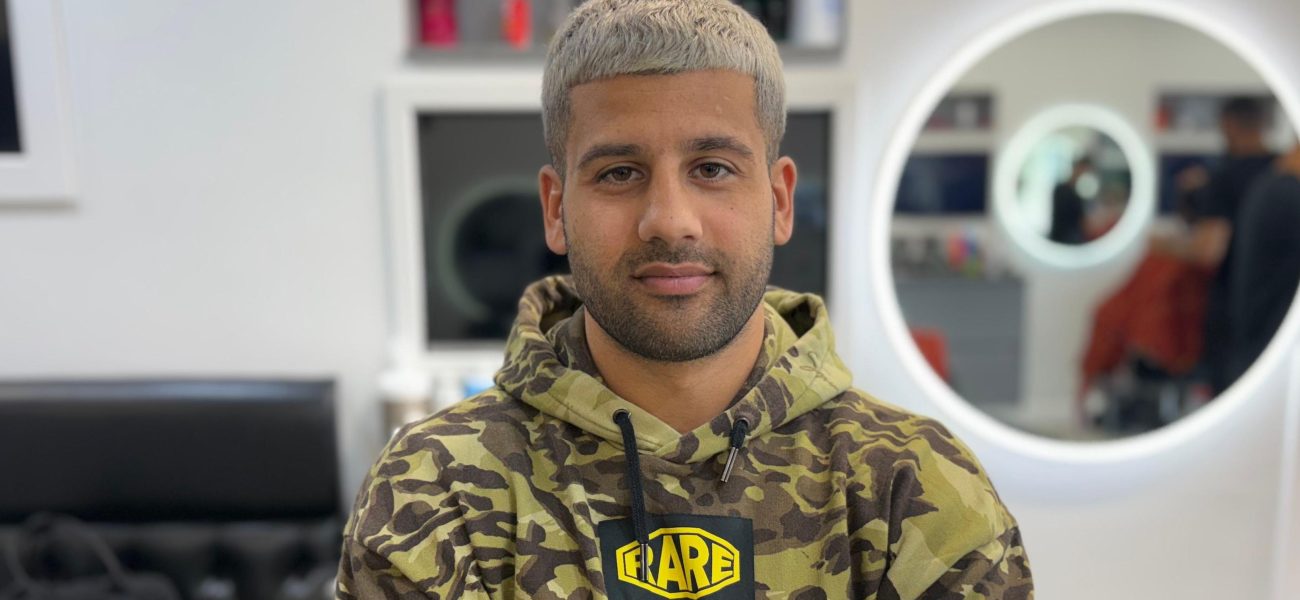
Ahmed Alsanawi, known simply as A-Star to a global following, embodies this specialized economy. He’s not kicking goals, but his influence on the England squad’s aesthetic and perhaps their psyche, is, shall we say, non-trivial. His services go beyond just hair, it’s about a relationship, built over years. But make no mistake, it’s a transactional bond, albeit one forged in trust — and discretion. The original article, carried by the BBC, highlights his rise from a shop in Chessington, Surrey, to becoming an indispensable fixture in the gilded entourage of international football. [QUOTE_PLACEHOLDER]
Alsanawi didn’t just wake up in this rarefied atmosphere. His big break came, fittingly, at Chelsea, where he cut players hair for three years. He met John Terry, Eden Hazard. But he told Newsbeat that posting about his work on social media got the attention of other Premier League stars. And boom. Word spread like wildfire through football’s tightly knit, opulent circuits. Then I connected with Pogba, a couple of the City players, Jack Grealish. His personal brand, A-Star Barbers, isn’t just thriving; it’s a testament to the power of digital networking combined with old-school reputational building. Social media has been massive for the barbering industry, he said, noting the 1.3 million Instagram followers his profile commands, a staggering figure that speaks to the visual currency of modern celebrity and aspiration.
Now, this isn’t just about looking good. It’s a strategic act. Athletes, whether they admit it or not, are global brands. Every Instagram post, every public appearance, every angle caught by a camera phone, contributes to an image that can be worth millions. A bad hair day for an ordinary person is a triviality; for a top-tier footballer, it’s a momentary, distracting flaw in a carefully curated persona. But that’s why Ahmed travels. He’s stationed in the England squad’s camp to keep players looking fresh for the next six weeks. The logistics can be last-minute, but for certain players, like Chelsea captain Reece James, Alsanawi’s presence is practically guaranteed. He’s my boy, he said. I’ve been cutting him for a few years now — and I can’t wait to see him at a major World Cup.
This business, at its core, hinges on confidentiality. And it’s not an abstract concept here, especially not in a hyper-competitive, high-stakes sport where every edge matters. When Newsbeat raised a recent controversy regarding a leaked Chelsea starting line-up linked to Marc Cucurella’s barber, Alsanawi’s response was crisp, unsentimental. It’s sort of in your best interest — and in the team’s interest to keep your mouth shut. Like, certain things you’re just not going to share, — and I wouldn’t share. You’ve got to build a trustworthy relationship with your client, whether it’s a footballer or not. It’s an unspoken covenant, really. And in an era where data breaches are common and information travels faster than a prime-time striker, discretion is a luxury worth paying for.
Alsanawi’s journey, starting from humble entrepreneurial beginnings and rising to the apex of his specialized trade, mirrors the broader narrative of professionals from diverse backgrounds making their mark on the global stage. It speaks to the enduring value of personal connections — and mastery of craft, irrespective of cultural origin. And this isn’t just a British story. Look across the vast tapestry of professional services catering to the rich and famous — whether in London, Dubai, or Mumbai — and you’ll find individuals of South Asian and Middle Eastern heritage who have carved out similar niches, often leveraging word-of-mouth networks within diasporic communities and eventually breaking into mainstream high-end markets. That entrepreneurial grit? It’s universally recognized, universally respected. You don’t get to this level without it.
The England camp, Alsanawi insists, is all good, chilled out. It’s just a normal thing, play cards, you know. They do their individual stuff, treatment, maybe FIFA or whatever. For him, the routine is clear: I just get in the room, cut their hair, about 15, 16 of them, — and go home. Still, he harbors grand ambitions. I would love to cut the two GOATs, Ronaldo — and Messi, he mused. I haven’t had the chance to. But you never know, maybe this World Cup.
What This Means
This entire phenomenon points to more than just a preference for sharp lines and fresh fades; it’s a micro-economy illustrating how personal branding has permeated every corner of high-performance environments. The implicit policy here? Elite sports organizations are increasingly investing in holistic support systems that extend well beyond traditional athletic training. This includes, crucially, image management. There’s a psychological dividend too: players feeling their best translates, arguably, to performing their best, bolstering team morale and public perception.
Economically, it underscores the market for hyper-specialized, trust-based services, especially when privacy and reputation are paramount. It’s a testament to the globalized labor market for skilled tradespeople who can transcend cultural and geographic boundaries through talent and reliability. The integration of such services into national team logistics reflects a shift from purely physical preparation to a more comprehensive approach that understands the athlete as a brand ambassador, subject to constant public scrutiny. Any dent in that polish, physical or otherwise, can have tangible repercussions, not only for the athlete but for the national team’s overall commercial and political standing. It’s a small, precise service, but its implications on national pride — and brand value are anything but. Cricket’s Tarnished Crown shows us how scrutiny follows high-profile figures. Similarly, the high-stakes gamble surrounding player performance extends to every detail.