


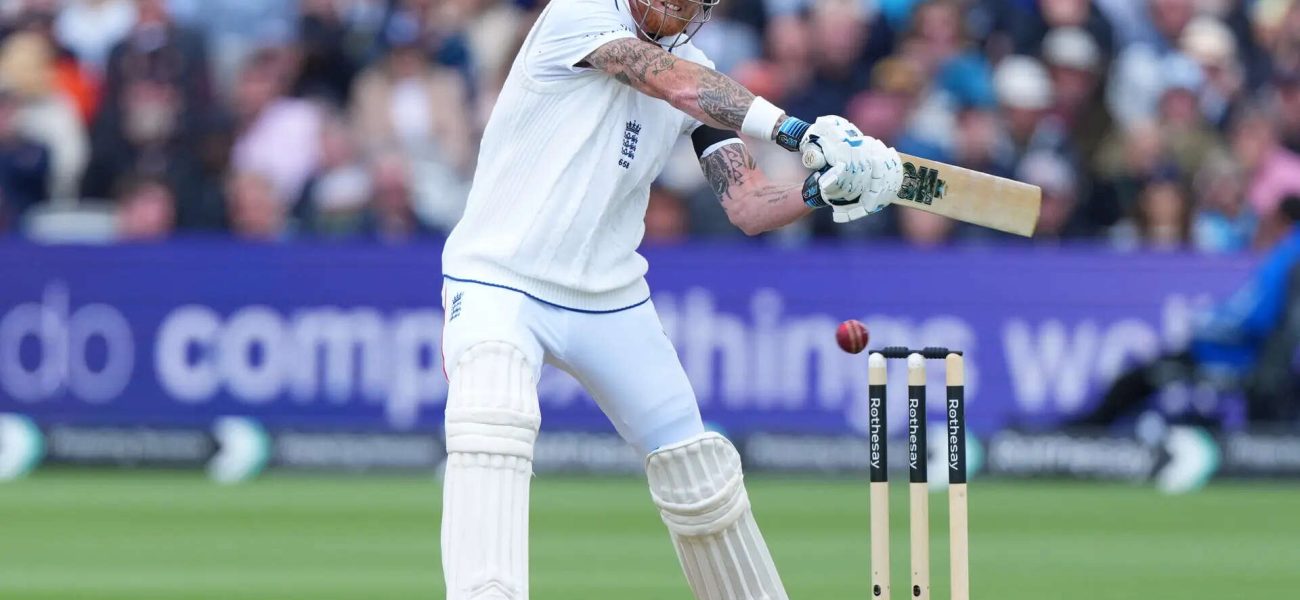
Cricket’s Tarnished Crown: Stokes Saga Puts England Under Policy Scrutiny
POLICY WIRE — London, UK — The hallowed grounds of Lord’s had barely cooled from England’s recent triumph over New Zealand when the cold shower of controversy splashed over the national...

POLICY WIRE — London, UK — The hallowed grounds of Lord’s had barely cooled from England’s recent triumph over New Zealand when the cold shower of controversy splashed over the national squad. It wasn’t the roar of the crowd that lingered in the air, but the hushed whispers of an alleged nightclub dust-up, once again starring cricket talisman Ben Stokes. A hero on the pitch, a persistent headline off it—the tale feels rather old hat now, doesn’t it?
England’s captain, along with fellow speedster Gus Atkinson, has found himself at the centre of fresh scrutiny. The initial reports suggest an alleged breach of team curfew regulations. But talk in the sporting corridors suggests it quickly escalated beyond a few minutes past bedtime. Indeed, word has it things took a turn toward the physical—an altercation that turned physical, some claims suggest. And this wasn’t some quiet Tuesday night in a sleepy village pub; this unfolded in the early hours of Monday, shortly after England’s win over New Zealand in the opening Test at Lord’s. A victory toast that soured, perhaps? [QUOTE_PLACEHOLDER]
This episode casts a pall over not just Stokes’ personal brand, but the larger institution of English cricket. It raises uncomfortable questions about both his leadership role and his long-term future in the game. The England and Wales Cricket Board (ECB) has commenced an investigation, a necessary bureaucratic hurdle in what’s becoming a cyclical problem for the sport. It feels like we’ve been here before. We have.
Consider the recent memory of the team’s much-discussed drinking culture emerged during the Ashes tour in Australia, where they copped a pretty brutal 4-1 series loss in January. One could almost plot a direct line between these off-field sagas — and on-field underperformance. This isn’t just an unwanted distraction for the players; it’s a credibility drain for the whole cricketing establishment. Policy Wire research indicates that global sponsorship deals in major sports like cricket often feature clauses allowing for contract renegotiations or termination in cases of significant brand damage due to athlete misconduct. A 2023 report from Brand Finance, a leading brand valuation consultancy, estimated that scandals can erode a sporting organization’s brand value by as much as 10-15% over a three-year period, impacting future revenues from endorsements and media rights.
The murmurs, and they’re getting louder, suggest that speculation has surfaced that Stokes could be considering his future in international cricket, with retirement reportedly among the possibilities being discussed. That’s a bold thought for a player so central to England’s recent successes. Ravi Bopara, a former England all-rounder who knows a thing or two about the pressures of the game, urged a degree of caution. But not too much—we’ve all got eyes and ears, after all. Speaking on Sky Cricket, Bopara was clear, saying: I think it’s important that the right process is taken and we don’t jump to any conclusions, because that wouldn’t be fair on Ben [Stokes] or English cricket. Ben’s a huge figure for English cricket and with that comes huge responsibility, like any top-level sport or any elite player. Let’s just hope the correct process is taken and then everything comes to a conclusion. Sensible stuff, even if the sentiment feels a touch naive given the history here.
Bopara, however, touched on a stark reality: the impact such a messy departure could have on Stokes’ legacy. He suggested it would be a disappointing end for a player who has played such a major role in English cricket. No one wants to see an athlete’s career fizzle out under a cloud. And Bopara echoed what many are privately thinking, noting that should Stokes exit because of this situation, it would be a sad way to go. The kind of exit that leaves a bitter taste, not just for fans in England, but for enthusiasts across the subcontinent. Imagine the optics, particularly in cricket-mad nations like Pakistan or India, where disciplined conduct is often seen as integral to national pride on the world stage. It’s not just about winning games; it’s about projecting an image of honour. Such controversies are always followed closely there, shaping perceptions of Western sporting ethos.
But then, there’s always the alternative. Perhaps a less dramatic, more personal reason could be the catalyst. As Bopara put it: If he’s retiring for other reasons, whether he’s had enough of playing cricket or his body can’t handle it, that’s a different story. It would be a shame to see him go on the back of this situation. Indeed. No athlete should have their retirement statement tainted by incident reports.
📄 POLICY WIRE WHITEPAPER PUBLISHED: PAKISTAN'S NATIONAL SECURITY POLICY PRIORITIES
👉 READ BY CLICKING HEREAnd yet, here we’re. Again. It’s a dance between elite performance and personal conduct that sports organizations, from the ECB to the ICC, struggle to choreograph properly. They’ve got protocols, yes. But players, particularly the superstars, sometimes operate with a different rulebook—or simply think they do. The consequences, though, affect everyone from the casual fan to the massive sponsorship portfolios that keep the sport afloat.
What This Means
This incident isn’t merely another tabloid headline; it carries genuine political — and economic ramifications. For starters, English cricket’s brand equity is directly tied to the perceived conduct of its athletes. Consistent controversies—especially those involving high-profile captains—erode public trust, making it harder for the ECB to attract new audiences and secure premium broadcasting deals. The sport isn’t just entertainment; it’s a national cultural export, particularly potent in the Commonwealth.
Economically, sponsors don’t just buy advertising space; they buy association with values. Integrity, sportsmanship, — and leadership. When these values are publicly compromised, corporations start doing calculations, eyeing other, less problematic avenues for their marketing dollars. This particular saga, coming after a previous scandal and a high-profile series loss, paints a picture of a sport wrestling with internal discipline at a time when global competition for viewership and investment is fierce. The reverberations can reach far beyond just a player’s contract, potentially impacting youth participation and long-term financial stability. It sets a rather poor precedent, doesn’t it, for future generations of aspiring cricketers?
But the real long-term cost? It’s often intangible—a gradual chipping away at a national institution’s reputation. Cricket is part of England’s identity, much like it’s integral to the cultural fabric of countries from Australia to Bangladesh. When that image becomes clouded, the message it sends about the state of its management, its player welfare, and its accountability mechanisms isn’t good. It simply isn’t. And no amount of on-field heroics can paper over persistent governance cracks.