

West Bank Sanctions: A Hand-Wringing Gesture, or Real Teeth?
POLICY WIRE — London, UK — After years of diplomatic dithering, and following far too many brutal headlines from the West Bank, the United Kingdom, alongside a clutch of its customary...

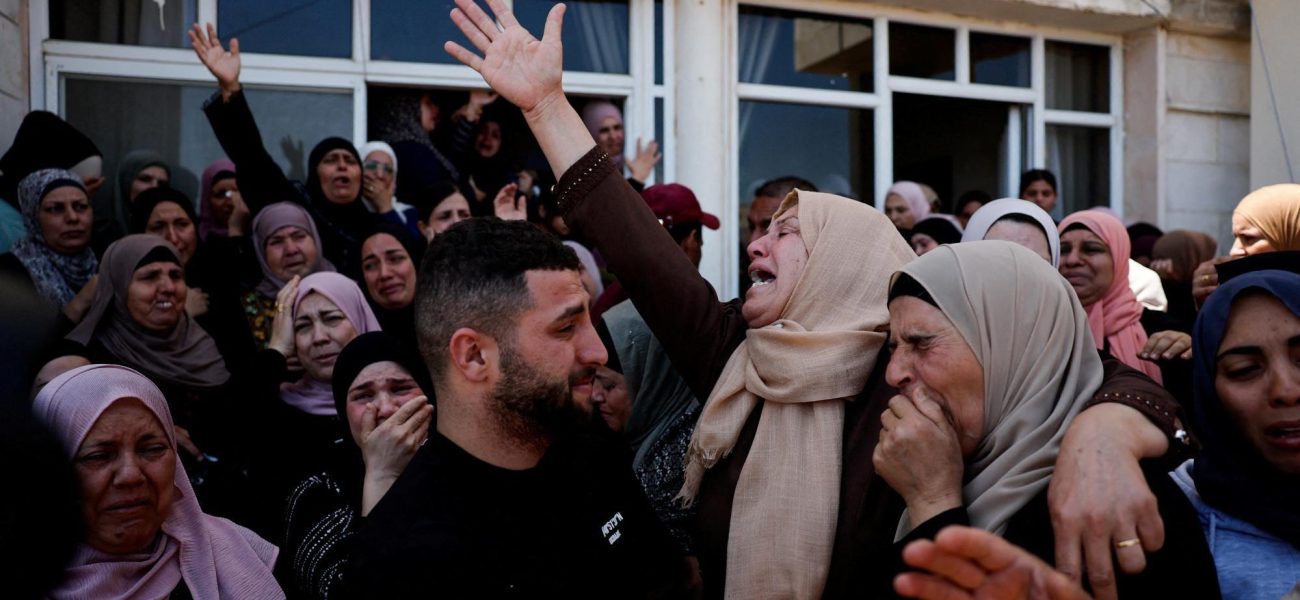
POLICY WIRE — London, UK — After years of diplomatic dithering, and following far too many brutal headlines from the West Bank, the United Kingdom, alongside a clutch of its customary allies—including the US—finally opted for what feels suspiciously like a slap on the wrist. They’ve sanctioned individuals — and groups implicated in violence against Palestinians. It’s an acknowledgment, certainly. But it also feels like shutting the barn door after the prize heifer’s already bolted into the next postcode, doesn’t it?
This coordinated action isn’t about grand gestures, it’s about specifics. The targeted individuals — and what they call [QUOTE_PLACEHOLDER] are now, ostensibly, facing restrictions. It means asset freezes — and travel bans, for some. And let’s be frank, that’s not exactly going to cripple an entire political or economic infrastructure. These measures, officials claim, aim to disrupt [QUOTE_PLACEHOLDER].
It’s a curious moment, isn’t it? For so long, the international community largely confined its rhetoric to strong condemnations, sometimes veiled warnings, but rarely outright punitive measures against those enabling or perpetrating these acts. But now, post-October 7th, the landscape’s shifted. Global optics are, shall we say, a bit more intense. The calculus changed when Gaza became the focal point, pulling West Bank settler actions into sharper relief. They’re trying to contain an issue that’s festered for decades, an open wound on the geopolitical map.
For nations like Pakistan, and indeed much of the broader Muslim world, this move isn’t likely to register as a thunderclap of justice. It’ll probably land as a low hum of too little, too late. There’s a deep-seated cynicism in those capitals, earned through generations of watching international powers lament the occupation and the plight of Palestinians, all while the reality on the ground—settlements expanding, violence increasing—continued its grim march. They’ve seen this movie before, multiple times. They know the script.
The fact is, a couple of dozen sanctioned individuals won’t fundamentally alter the strategic reality for a population living under prolonged occupation. We’re talking about systems here, not just a few bad actors. The UN Office for the Coordination of Humanitarian Affairs (OCHA) reported over 1,200 settler-related incidents causing Palestinian casualties or property damage in the West Bank between January 2023 and the end of February 2024. That’s a grim drumbeat, folks. And it suggests the problem runs deeper than isolated instances. So, these sanctions? They’re a pinprick, when many believe a surgical intervention, or maybe even an amputation, is needed.
But credit where credit’s due: it’s a departure from mere hand-wringing. It signals an escalation in concern, even if it falls short of true impact. It demonstrates a rare, albeit fragile, alignment among these Western powers on a contentious issue. The press releases from Downing Street and Foggy Bottom were synchronized, their messages carefully sculpted to show resolve without—and this is key—offending Israeli officialdom too deeply. It’s a delicate diplomatic dance, an elaborate jig across a minefield.
📄 POLICY WIRE WHITEPAPER PUBLISHED: PAKISTAN'S NATIONAL SECURITY POLICY PRIORITIES
👉 READ BY CLICKING HEREYou can’t help but wonder about the timing, though. Is this an effort to forestall something uglier? A bid to demonstrate to the Arab world, particularly countries considering normalization deals with Israel, that their concerns aren’t entirely ignored? Because for many, especially the 1.8 billion Muslims globally, the unchecked aggression of some settlers is an affront, a stark symbol of ongoing injustice that makes any talk of lasting peace ring hollow. The issue, in a way, is an impedance to broader regional stability, echoing Zamir’s dire warnings of a [QUOTE_PLACEHOLDER], just in a different theater.
What This Means
This round of sanctions, while significant in its coordinated nature, isn’t going to collapse the settlement enterprise. Let’s not be daft. It’s primarily a symbolic flexing of diplomatic muscle, aimed more at deterring future escalations than unraveling existing complexities. Politically, it grants the sanctioning nations a talking point, allowing them to assert they’re [QUOTE_PLACEHOLDER]. It provides a measure of cover against accusations of complicity or inaction, particularly when their own electorates or international partners get restless.
Economically, the direct impact on the region itself is likely negligible. The targeted individuals aren’t exactly titans of global finance; their asset freezes will disrupt their personal affairs, yes, but not shift national economies. The broader economic implications, however, could be felt in a more subtle fashion. These actions signal a hardening stance that might make financial institutions, already wary of the compliance risks associated with such territories, even more cautious. It could complicate charitable fundraising or cross-border transactions for some groups, even if they aren’t directly sanctioned. We’re not talking about a market crash here, but a quiet, chilling effect that nudges some financial flows away from already isolated communities.
From a diplomatic vantage, it represents a recalibration. It suggests Western capitals are no longer willing to fully absorb the political costs of unfettered settler expansion and violence. It puts Israel’s government in a tighter spot, forcing it to decide whether to push back against these sanctions—and risk alienating key allies—or tacitly accept them. And that’s not a decision they’ll take lightly, not with a war raging. The message here, subtle as it’s, suggests that business-as-usual in the West Bank is now deemed an unwelcome ambition.