


Velvet Ropes and Public Ire: How a Pop Star’s Nuptials Stirred Deeper Waters
POLICY WIRE — London, UK — The velvet ropes have long defined the boundary between the glittering lives of the famous and the humdrum existence of everyone else. But sometimes, even those opulent...

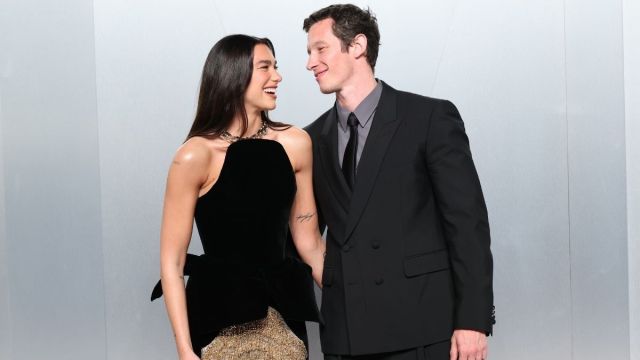
POLICY WIRE — London, UK — The velvet ropes have long defined the boundary between the glittering lives of the famous and the humdrum existence of everyone else. But sometimes, even those opulent barriers can’t contain the tempestuous crosscurrents of public opinion. And Dua Lipa’s recent, highly anticipated nuptials? They crashed right into one.
It wasn’t just a wedding; it was a cultural flashpoint. A stark, glittering declaration against a backdrop of murmuring dissent, according to sources close to the pop sensation. For weeks, the digital ether had simmered with chatter, a simmering stew of speculation and judgment over everything from the guest list to the purported extravagance. The whispers about an expected opulence only stoked the flames. She’d gone for it all—every single personal preference realized, observers say, consequences be damned.
But the true interest, for our purposes, wasn’t just the dress or the venue. It’s the backlash itself. This wasn’t mere tabloid fodder; it was a symptom, a sharp observation on the ever-narrowing space celebrities occupy between public adulation and relentless scrutiny. It speaks volumes about shifting societal expectations, particularly concerning young, successful women.
Consider the timing, for one. We’re living through an era of stark economic disparity, where a 2023 report by Oxfam found that the richest 1% globally grabbed nearly two-thirds of all new wealth created since 2020. Flaunting unimaginable affluence—even by celebrity standards—during such pinched times is like waving a red cape at an already agitated bull. “There’s an undeniable tension when public figures exhibit extreme wealth at a time when so many are struggling,” posits Dr. Ben Carter, a senior economic analyst at the Global Policy Institute. “It’s not just envy; it’s a legitimate query about optics, about the implicit disconnect between aspirational imagery and everyday realities. People notice. They’re not stupid.”
But the cultural commentary cut deeper still. There was a vocal undercurrent suggesting that, despite her artistic prowess, Lipa had somehow ‘betrayed’ an expectation of humility, or perhaps even—for some conservative quarters—propriety. It’s a sentiment not unfamiliar to young women from diasporic communities, many of whom navigate complex expectations regarding tradition and modernity. In places like Pakistan or parts of the wider Muslim world, where global celebrity culture now reaches with unyielding force, the actions of public figures often become proxies for larger debates about cultural identity, gender roles, and the appropriateness of public displays of wealth or individuality. An event like this, while seemingly personal, becomes a mirror for broader cultural friction.
And so, as the global village watches, even a personal celebration can trigger deeply ingrained societal biases. “The intense scrutiny faced by women in the public eye, particularly those who forge their own path, is relentless,” states Dr. Aisha Khan, a prominent sociologist specializing in cultural dynamics at the Alif Institute of Social Sciences. “There’s an expectation for them to be both accessible — and aspirational, successful yet unassuming. When they defy a prescribed narrative, the pushback can be immediate, almost visceral. It’s less about the individual and more about our collective discomfort with unbridled feminine agency—especially when it’s publicly displayed and lavish.”
📄 POLICY WIRE WHITEPAPER PUBLISHED: PAKISTAN'S NATIONAL SECURITY POLICY PRIORITIES
👉 READ BY CLICKING HEREHer determination, despite the clamor, does suggest a steadfast commitment to personal agency. It’s her life; she’ll run it her way. No doubt. But it also underscores the growing chasm between celebrity freedom — and public perception. A modern artist, choosing her path, is a narrative many find empowering. Others? Not so much.
What This Means
The incident, while ostensibly about a pop star’s wedding, carries broader implications. Economically, it showcases the increasing visibility—and potential resentment—of extreme wealth displays in a fractured global economy. Governments and corporations are grappling with a populace increasingly attuned to wealth disparities, and these high-profile events can exacerbate underlying social tensions. For policy makers, it’s a reminder of the volatile cocktail brewed when economic realities collide with aspirational imagery. It also spotlights how cultural institutions and norms are constantly shifting, reacting to, and often struggling with, the rapid global diffusion of pop culture and individualistic expression.
Culturally, it reflects an ongoing global debate about traditional versus modern values, particularly regarding gender. The ‘backlash’ signifies the persistent conservative expectations levied upon women, irrespective of their professional success or personal autonomy. These celebrity skirmishes offer a peek into the larger struggles many societies—especially in the Muslim world—are navigating as they reconcile centuries-old customs with the relentless currents of Western celebrity culture. It’s an internal conflict playing out on a global stage, a subtle yet persistent economic stakes discussion about influence, identity, and the price of going your own way, even when that way is down the aisle.