


Asia Races Against Time: Indonesia’s Gambit to Beat El Nino’s Famine Shadow
POLICY WIRE — Jakarta, Indonesia — The quiet rustle of young rice stalks sprouting ahead of schedule isn’t just about agriculture here; it’s a nervous, calculated bet. It’s about...

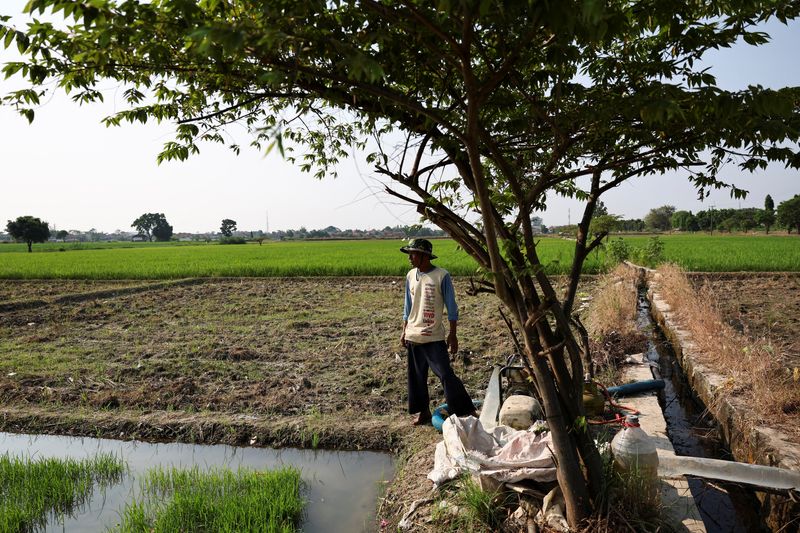
POLICY WIRE — Jakarta, Indonesia — The quiet rustle of young rice stalks sprouting ahead of schedule isn’t just about agriculture here; it’s a nervous, calculated bet. It’s about beating the weather to the punch, about ensuring dinner tables across an archipelago don’t feel the sharp pinch of global climate volatility. Forget the grand speeches from climate summits—the real battle for food security is unfolding now, acre by sodden acre, as Indonesian farmers push against the tyranny of El Nino’s impending dry season.
Government agencies aren’t just observing. No, they’re actively marshaling resources. There’s a tangible scramble underway, a focused national effort to accelerate the rice planting season. You see, the usual rhythms of the agricultural year, generations-old planting cycles, they’ve been disrupted by this looming weather pattern, which forecasts suggest will bring drought and reduced rainfall to swathes of Asia. It’s an aggressive, some might say desperate, attempt to secure staple food production before the dry spell grips the land too tightly. [QUOTE_PLACEHOLDER]
Because El Nino is no trivial matter, especially for a nation where rice isn’t just a commodity, it’s the very bedrock of daily existence. This weather phenomenon typically means warmer Pacific Ocean temperatures, translating into less rain, parched fields, and significantly lower yields across Southeast Asia. The concern is palpable—crop failures, reduced harvests, then inevitably, food shortages. And once that happens, you get price hikes, unrest. It’s an age-old equation.
The urgency behind Indonesia’s push isn’t some bureaucratic whim. It stems from hard, cold experience. History shows El Nino can devastate. The sheer scale of what’s at stake—feeding nearly 280 million people—is staggering. But what happens in Jakarta’s fields doesn’t stay in Jakarta. The ripples of an El Nino-induced food crisis can extend far beyond national borders. Consider Pakistan, for instance, a major Muslim-majority nation grappling with its own agricultural vulnerabilities, particularly rice. They’ve recently endured catastrophic floods, now the prospect of another climate-induced agricultural shock like a widespread drought could be devastating. Countries like Pakistan are acutely sensitive to global food price fluctuations and any instability in the supply chain from major rice producers like Indonesia.
Food and Agriculture Organization of the United Nations (FAO) data revealed that global food commodity prices reached an all-time high in March 2022, largely driven by disruptions including climatic events and conflicts. A new El Nino threatening staple crops now could easily re-ignite that kind of inflationary pressure across South Asia and the broader Muslim world, nations often heavily reliant on agricultural imports and already navigating economic fragilities.
Indonesian officials, — and I’d assume every farmer, recognize the razor’s edge they’re treading. If they can get crops planted and harvested early, before the worst of the drought takes hold, it means hedging against potential famine. It’s a pragmatic gamble—one that requires precise planning, effective water management (which, let’s be honest, is easier said than done in the best of times), and a bit of good fortune from the fickle skies.
And yes, there’s also the constant political pressure. Maintaining affordable food prices is a perpetual challenge for any government. When the weather goes rogue, that challenge intensifies. No one wants to explain to the populace why the price of their essential carbohydrates has suddenly skyrocketed. This early planting drive is as much about proactive governance as it’s about agronomy. It’s an investment, really, in social stability.
Because ultimately, climate change isn’t an abstract scientific discussion; it’s a direct threat to the plate, to the market stall, to the family budget. It makes nations with large agricultural sectors, many of them in Asia, incredibly vulnerable. The stakes couldn’t be higher. This is not just a seasonal anomaly; it’s a preview of the new normal—a constant, exhausting race against an increasingly unpredictable natural world.
What This Means
Indonesia’s aggressive push for early rice planting under the El Nino threat carries significant political and economic freight, stretching beyond its immediate impact. Politically, a successful mitigation effort will be a major win for the current administration, demonstrating effective crisis management and, crucially, buffering its citizens from inflationary food prices. Failure, however, could stoke public discontent and undermine confidence in leadership, especially given the historical sensitivity around staple food availability.
Economically, if this preemptive strategy pays off, it averts a potentially disastrous hit to the agricultural sector, which remains a key pillar of the Indonesian economy, employing a substantial portion of the workforce. It would also stabilize food inflation, protecting consumer purchasing power and reducing the need for costly emergency food imports. Averting widespread drought-induced crop failures also protects export revenues for any surplus commodities. However, the costs associated with accelerating planting—new irrigation, potential subsidies, logistical challenges—represent a substantial immediate expenditure for the government.
Beyond Indonesia, the implications are regional. Asia’s food security is deeply interconnected. A supply shock from Indonesia, a major rice producer and consumer, would inevitably send price tremors across the continent. Nations like Pakistan, Bangladesh, and Malaysia, which share similar climatic vulnerabilities and often rely on regional food trade, would feel the crunch. Their governments, already struggling with diverse economic pressures, would face renewed challenges in ensuring affordable sustenance for their populations. It’s a stark reminder that in an interconnected global economy, the agricultural battle fought in one field has ramifications far beyond its fenceline. The successful navigation of this climate challenge could set a precedent for other nations grappling with increasingly erratic weather patterns, but only if they’re watching.