


A Speck of Dust, A Mountain of Debt: Washington’s Chagos Gamble
POLICY WIRE — Washington D.C., USA — Not every sovereign sale makes headlines, but when it concerns a tiny archipelago in the Indian Ocean, a strategic military base, and a human rights crisis...

POLICY WIRE — Washington D.C., USA — Not every sovereign sale makes headlines, but when it concerns a tiny archipelago in the Indian Ocean, a strategic military base, and a human rights crisis spanning half a century, well, things get complicated. Turns out, Uncle Sam might be interested in a bit of real estate acquisition—the Chagos Islands, no less. But it’s less about a vacation home — and more about keeping a global military footprint entrenched.
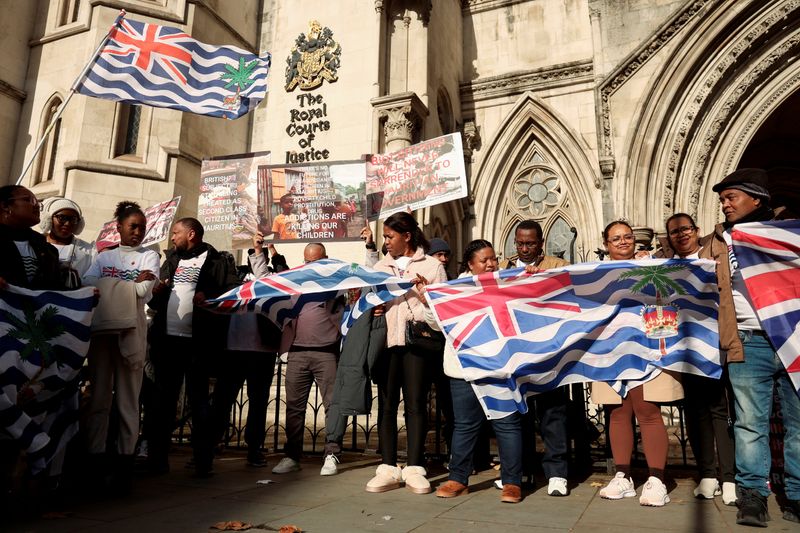
It’s a peculiar transaction, to be honest. Generations of islanders—the Chagossians—got booted from their homes by the British, back in the 60s and 70s, all so London could lease Diego Garcia, the biggest island, to the U.S. for a sprawling military installation. Imagine, a whole people uprooted for cold war logistics. Now, a recent report from The Telegraph suggests that the United States is eyeing a direct purchase from the UK. It’s like buying out your landlord, only the property comes with historical baggage, geopolitical headaches, and a loud, inconvenient human rights dispute.
For decades, the United Nations, particularly its International Court of Justice and the International Tribunal for the Law of the Sea, has consistently ruled that the UK’s administration of the Chagos Archipelago is unlawful and that sovereignty rightfully belongs to Mauritius. These rulings aren’t suggestions; they’re pretty darn clear about who owns what. Mauritius has been fighting tirelessly, not just for the land, but for the fundamental right of the Chagossians to return home. And frankly, the optics haven’t been great for either the UK or the U.S., partners in this controversial setup.
The U.S. currently runs a mega-base on Diego Garcia, a true linchpin for its operations across the Middle East, Africa, and crucially, South Asia. Think of it: long-range bombers, surveillance, logistical support—it’s all humming from this remote dot on the map. This strategic value means Washington’s not about to pack up — and go home quietly. They’ve poured an enormous amount of cash into that base over the years. According to the US Department of Defense budget figures, for fiscal year 2024, the Overseas Contingency Operations (OCO) requests alone represent billions of dollars in continued military presence globally, with bases like Diego Garcia falling under this extensive operational umbrella. A direct purchase, perhaps, aims to cut through the messy entanglement of UK-Mauritius diplomacy, essentially cementing Washington’s grip for the long haul.
But this isn’t just about high-level maneuvering. It’s about people—real, suffering people—who have lived in exile, many in dire conditions, simply for a runway and some barracks. Mauritian officials, to their credit, have remained steadfast. Their prime minister, Pravind Jugnauth, has been clear: The return of the islands to Mauritian sovereignty is [QUOTE_PLACEHOLDER] of Mauritius’ existence as an independent state. That’s a pretty strong stance. But, would a U.S. purchase offer a path forward, perhaps including a reparations package and guarantees for Chagossians, or would it simply exacerbate the colonial legacy, buying up disputed territory and effectively sidestepping justice?
Because the British are also navigating their own complex foreign policy tightrope post-Brexit, and the Commonwealth nations are watching intently. Selling off territory, especially territory that has been forcibly depopulated, isn’t exactly a good look on the world stage. And this saga? It’s just a chapter in a much older book about power — and possessions. A potential sale also throws a rather uncomfortable light on the idea that global military might often trumps human rights concerns. It’s a pragmatic move for the Pentagon, sure, but the human cost isn’t just abstract, it’s personal — and historical.
📄 POLICY WIRE WHITEPAPER PUBLISHED: PAKISTAN'S NATIONAL SECURITY POLICY PRIORITIES
👉 READ BY CLICKING HEREThe saga’s twists — and turns would give any telenovela a run for its money. And every time the diplomatic table shifts, the Chagossians’ hopes either flare or dim. This isn’t just a transactional possibility; it’s a reckoning. A deal might mean money, but it doesn’t necessarily mean justice. It certainly doesn’t erase the past. This issue, whether resolved by the British or by a potential American acquisition, always circles back to the basic question of national dignity and international law.
What This Means
A potential U.S. acquisition of the Chagos Islands isn’t just a bureaucratic shuffle; it’s a geopolitical earthquake, subtle but significant. First, it reconfigures the existing Anglo-American defense partnership. It could relieve the UK of an awkward colonial vestige, offloading responsibility for a thorny historical injustice and effectively outsourcing the fallout to Washington. But at what cost to Britain’s image — and its moral standing in the Commonwealth? It’s a way for London to extricate itself from an international quagmire without admitting culpability outright. Smart? Maybe. Morally defensible? That’s a different discussion entirely.
For the U.S., a direct purchase streamlines operations for its crucial military base at Diego Garcia, ensuring long-term stability and eliminating the headache of navigating ongoing UK-Mauritius disputes. It offers unassailable control, effectively circumventing the international legal pressure that’s been mounting. Economically, this would mean a direct investment, perhaps a significant one, buying the land outright rather than continually leasing. But this might also mean the U.S. inherits the full burden of addressing the Chagossian issue—reparations, resettlement, the lot. That’s a hefty bill, both financially — and ethically, even for a nation as resource-rich as America. There’s no escaping the long shadows of history when it comes to these islands.
Regionally, particularly for nations in South Asia and the broader Muslim world, this move would reinforce perceptions of American military omnipresence. Pakistan, for instance, which regularly observes developments in regional power dynamics and foreign military deployments, would likely see it as a solidification of U.S. strategic reach, potentially raising questions about the stability of the Indian Ocean’s geopolitical balance. Any shift in control of such a key asset directly impacts how regional actors view external influence. This could spark renewed discussions around sovereignty — and the right of return for indigenous populations elsewhere. The transaction could establish a troubling precedent: that colonial-era dispossession can be ‘solved’ by a bigger buyer rather than true restitution. It’s an easy out for some, but a stark reminder of power dynamics for others.