


Manual Manifesto: Subaru’s Gearshift Gambit Challenges Automation’s Reign
POLICY WIRE — Tokyo, Japan — In an era obsessed with screens, sensors, and the slow, inexorable march toward vehicular self-awareness, some machines still demand a firm human hand. It’s an...

POLICY WIRE — Tokyo, Japan — In an era obsessed with screens, sensors, and the slow, inexorable march toward vehicular self-awareness, some machines still demand a firm human hand. It’s an inconvenient truth for proponents of digital omniscience—or just seamless daily commutes, frankly—but a truth nonetheless. And it’s a truth Subaru, the venerable Japanese automaker, seems bent on reasserting, if its recent announcement is any measure of its corporate convictions.
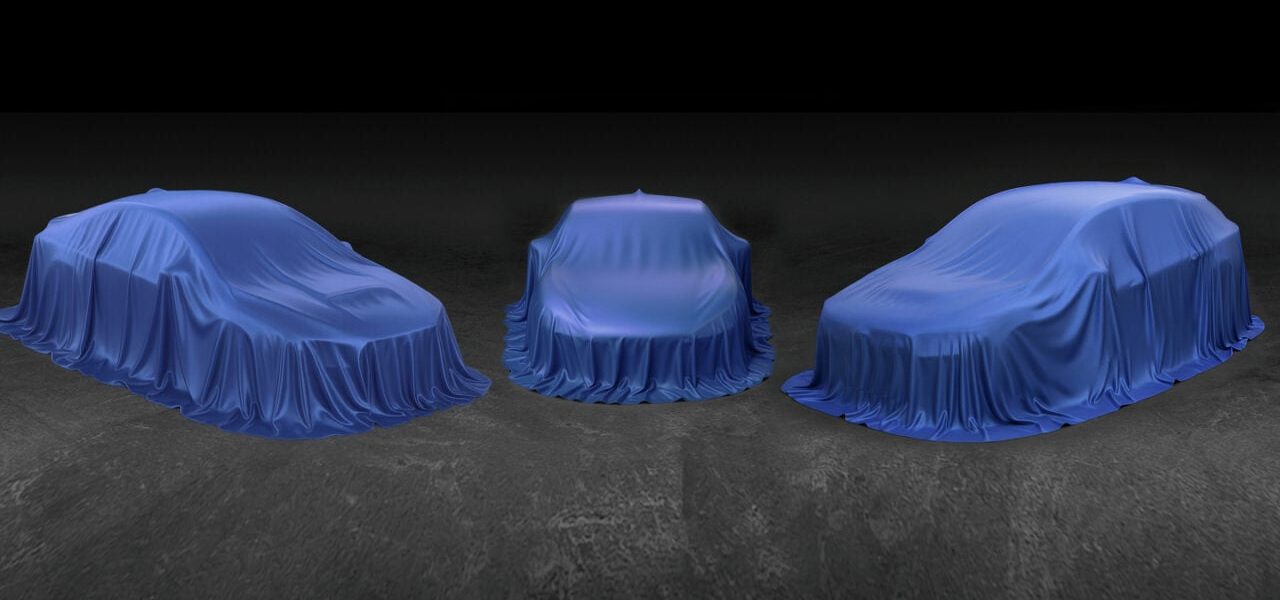
No, we’re not talking about another electric concept car that floats. We’re talking about something far more rebellious: three new vehicles, each proudly sporting a manual transmission, headed for production. Two are well-trodden enthusiast favorites; the third, a ‘mystery hatchback,’ is stirring whispers in circles where engine revs mean more than cellular connectivity. It’s a defiant act, perhaps, against the tide of torque converters and dual-clutch marvels, a nod to the grease-stained, foot-coordinating dance that defines real driving for a dwindling, yet devoted, crowd. This isn’t just news for petrol-heads; it’s an economic play on nostalgia and the enduring, if peculiar, allure of a skill stubbornly refusing to die.
But make no mistake, this isn’t simply sentimentality overriding good business sense. It’s a calculation. Subaru’s targeting an anachronistic but financially potent segment. “We aren’t just selling a mode of transport; we’re selling an experience, a connection that automation simply can’t replicate,” explained Katsumi Tanaka, Subaru’s Chief Marketing Officer, in a rare candid moment with Policy Wire. “It’s for the driver who still wants to be an active participant, not just a passenger, even if that means shifting gears themselves. It’s our legacy, but also, it’s a niche that rewards authenticity.”
The numbers don’t lie about the overall trend: automatic transmissions have utterly dominated for decades. In 2023, for instance, only about 1.7% of new vehicles sold in the U.S. came with a manual transmission, a precipitous drop from over 35% in 1992, according to Edmunds data. So, why zig when everyone else is zagging? Because the enthusiasts are passionate. They’ll pay a premium. They’ll wait. They’ll tell their friends. It’s a micro-economy built on preferences that refuse to be homogenized by algorithm. They want that gritty feel, that mechanical engagement. They don’t mind getting their hands dirty, or at least metaphorically. And sometimes, it’s just about feeling something in a world that increasingly anesthetizes sensory input.
Consider, too, the global resonance of such moves. In markets like Pakistan and other parts of South Asia or the broader Muslim world, the sheer utility and lower maintenance cost of simpler, less tech-laden vehicles—often manual—still hold considerable sway for many consumers. While the ‘enthusiast hatchback’ from Subaru is undoubtedly targeting a more affluent segment seeking performance, the cultural appreciation for mechanical longevity and straightforward engineering endures across economic strata. It reminds us that not all markets prioritize the bleeding edge; many prioritize the durable, the repairable, and the tangible.
📄 POLICY WIRE WHITEPAPER PUBLISHED: PAKISTAN'S NATIONAL SECURITY POLICY PRIORITIES
👉 READ BY CLICKING HEREAnd it’s a testament to Subaru’s perception of itself—an automaker that often carves its own path. Its all-wheel-drive philosophy, its boxer engines—these weren’t always mainstream choices, but they forged a loyal following. This manual offensive looks to be a similar play: a calculated appeal to those who don’t follow the herd. Dr. Lena Petrov, a senior analyst at AutoInsights Global, didn’t pull any punches. “This isn’t some retro vanity project for Subaru; it’s savvy segmentation. As electrification gains momentum, manufacturers realize there’s gold in these ‘last-gasp’ enthusiast segments. You might even call it a kind of artisanal manufacturing—making something specific and cherished for people who truly care, rather than mass-producing automated boxes for the masses. It’s a very smart business gambit, actually.”
What This Means
Subaru’s audacious push into manual-only territory represents a telling counter-narrative in the global automotive industry. Economically, it signifies a pivot towards high-margin niche markets, where consumer demand for specific, often nostalgic, driving experiences justifies dedicated production lines and focused marketing efforts. It’s a realization that as the auto industry electrifies and automates, a profitable segment will seek the very antithesis of that trend: pure, unadulterated mechanical engagement.
Politically, this kind of strategic differentiation can buffer a company against broader market volatility, giving it a stable, loyal customer base largely immune to fleeting trends. It also highlights an ongoing, albeit subtle, cultural divide: the utilitarian, efficient, automated future versus a stubborn human desire for control, skill, and visceral feedback. For policymakers, especially those focused on green transitions, it means acknowledging that while the big push is electric and autonomous, there’s still a market for these ‘legacy’ technologies that can’t simply be wished away or legislated out of existence overnight. It’s an acknowledgment of human nature’s sometimes irrational, often emotional, consumer choices, and how those choices can still drive innovation and profits in unexpected corners of a globalized economy.