

Peru’s Precarious Crossroads: Dynasty’s Long Shadow Meets Populist Surge
POLICY WIRE — Lima, Peru — Forget for a moment the polling percentages—the razor-thin margins and the frantic scramble for every last vote. Forget the bland promises — and the thinly veiled threats....

POLICY WIRE — Lima, Peru — Forget for a moment the polling percentages—the razor-thin margins and the frantic scramble for every last vote. Forget the bland promises — and the thinly veiled threats. The real story unfurling across Peru, as its deeply divided populace braces for a presidential runoff, isn’t just about who wins; it’s about what finally snaps. After years of relentless political churning, economic tremors, and an electorate perpetually cycling through disillusionment, this isn’t just another election. It’s a contest poised to redefine, or perhaps further unravel, the very fabric of the Andean nation.
Two figures, diametrically opposed in almost every respect, stand at the brink. On one side, Keiko Fujimori, daughter of Peru’s incarcerated strongman Alberto Fujimori—a name that still evokes fierce loyalty and bitter scorn in equal measure. She carries the torch of Fujimorismo: a potent blend of authoritarian nostalgia, economic liberalization, and law-and-order rhetoric that speaks to a segment of society weary of perceived chaos.
Her opponent, Juan Sánchez, a fervent populist championing the plight of Peru’s marginalized masses, promises a radical reordering of the nation’s economy and a purging of its entrenched elites. His campaign, fueled by grievances from rural heartlands and urban working-class neighborhoods, resonates with a profound hunger for change—a visceral rejection of the old guard. And this isn’t simply a clash of ideologies; it’s a proxy battle for Peru’s soul, played out against a backdrop of global economic uncertainties and an ongoing pandemic that’s exacerbated every pre-existing fault line.
Fujimori’s camp projects an image of stability, emphasizing a return to order. “We’ve endured enough instability. My platform offers a steady hand, experienced leadership, and the certainty needed to rebuild our economy and our institutions,” Keiko Fujimori told reporters, her voice resonating with an echo of past campaigns, though perhaps a shade more conciliatory than in her father’s day. But Sánchez’s supporters don’t buy it. They see a return to a system that’s consistently failed them. His impassioned rallies draw thousands, particularly in the south — and among indigenous communities. “The people have been silenced for too long. This election isn’t about mere policy; it’s about justice, about finally giving a voice to those who’ve built this nation with their sweat and tears,” declared Juan Sánchez at a recent campaign stop, his pronouncements often laced with anti-establishment fire.
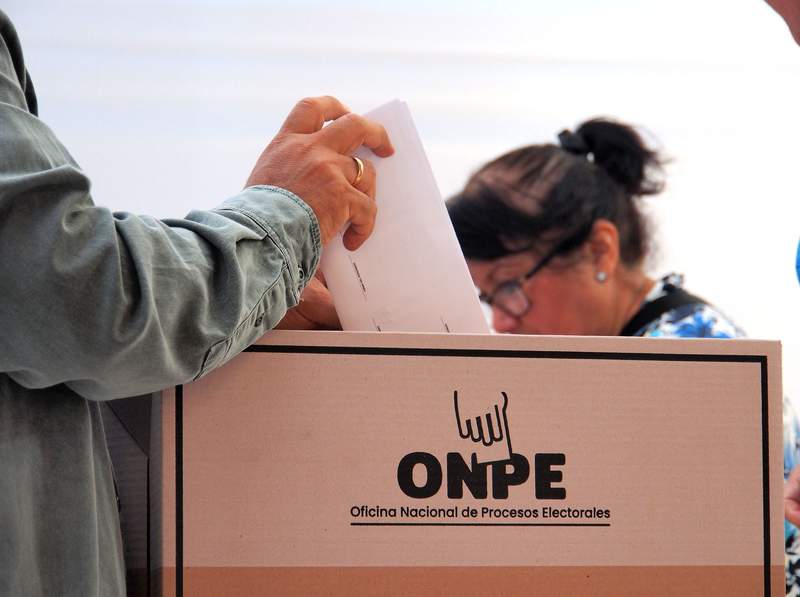
The polls themselves tell a story of deadlock. A recent Ipsos Perú survey placed the candidates within a 0.5% margin of error, with Sánchez slightly ahead at 49.8% to Fujimori’s 49.3%—leaving less than 1% undecided, a statistical sliver that holds Peru’s fate. Such tight races usually mean high turnout, but also deep division, and it’s bound to leave half the country feeling deeply alienated. Because the economic challenges facing whichever candidate emerges victorious are immense, from lingering commodity price volatility to entrenched poverty that a two-decade growth spurt in the 2000s failed to eradicate for far too many.
And these domestic anxieties ripple outwards. Nations like Pakistan, navigating their own complex democratic processes and economic development while courting foreign investment, observe Peru’s tumultuous political drama with a particular kind of interest. They recognize the precarious balance required between populistic domestic demands — and the realities of global markets. If Peru, a significant exporter of copper and gold, were to experience prolonged instability, it could disrupt supply chains, affecting industries from Lahore to Kuala Lumpur dependent on its raw materials. Foreign investment, too, will hesitate, drying up opportunities for capital inflows that developing economies in the Muslim world desperately seek.
📄 POLICY WIRE WHITEPAPER PUBLISHED: PAKISTAN'S NATIONAL SECURITY POLICY PRIORITIES
👉 READ BY CLICKING HEREWhat This Means
Regardless of who ekes out a victory, Peru appears set for a period of profound uncertainty. A Fujimori win, even by a hair, guarantees opposition from a substantial, vocal portion of the population, resurrecting old grievances. Parliament, often fragmented — and combative, would become even more so, potentially paralyzing governance. This dance, a nation’s uneasy embrace of its past versus an uncertain future, has played out in countless emerging democracies. Look at the challenges for governance in places struggling with the ghost in the caucus; the shadow of previous leadership often shapes present discourse.
A Sánchez presidency, conversely, would likely usher in an era of confrontational economic policy, including potential resource nationalization and stricter regulations on foreign capital. Investors, already wary, could flee, triggering a capital flight reminiscent of previous socialist experiments in the region. That means higher inflation, a weakened currency, and ultimately, more economic hardship for the very people Sánchez aims to uplift. His rhetoric suggests a willingness to upend traditional economic relationships, something that could impact Peru’s standing on the world stage and its relations with key trading partners.
Ultimately, Peru isn’t just picking a president; it’s making a choice about its identity—a choice between a familiar, if flawed, path or a leap into a largely undefined populist future. And as the polls prepare to open, the sense isn’t one of excitement, but of a deep, collective apprehension.