

The Riviera Paradox: Seamless Meals, Segmented World
POLICY WIRE — MONACO-VILLE, MONACO — One doesn’t usually begin a geopolitical rumination over a lunch of focaccia in Ventimiglia, Italy. Or an aperitif near Nice, France, for that matter. But...

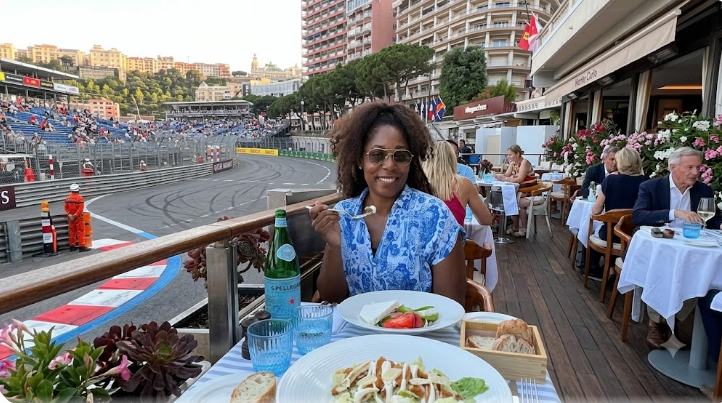
POLICY WIRE — MONACO-VILLE, MONACO — One doesn’t usually begin a geopolitical rumination over a lunch of focaccia in Ventimiglia, Italy. Or an aperitif near Nice, France, for that matter. But the quiet ease of gliding between nations—a cappuccino in Menton, a pizza slice just over the border, and an admittedly swanky fish course overlooking Monaco’s shimmering harbour—offers a striking, almost jarring, snapshot of the world’s stratified mobility. This isn’t just about gastronomy; it’s about architecture—the invisible, sometimes impenetrable, policies shaping our planetary comings and goings.
It’s the casual nonchalance that really bites. No border guards, no passport stamps, no endless queues—just a road sign, maybe a subtle shift in the style of road markings, then another currency or a new linguistic cadence. This frictionless passage, barely noticeable amidst the Mediterranean glint, speaks volumes about European integration, an experiment in transnational living that, whatever its occasional stumbles, largely delivers on its promise of free movement. And it’s a promise few other regions can even dream of offering their citizens.
Because that seamless journey, an ordinary Tuesday for many here, represents a luxury, an enviable exception to the global rule. It’s a testament to the political will and economic alignment forged over decades within the Schengen Area, which, according to Eurostat data from 2022, facilitates approximately 1.25 billion cross-border trips annually for its residents alone. Try explaining that ease to someone navigating the labyrinthine visa requirements for entry into Western nations from, say, Lahore or Dhaka. Or even trying to drive from Pakistan to India without a mountain of paperwork, political posturing, and actual, physical barriers.
“The ability to cross borders for a simple meal, or a day’s work, is a profound achievement for Europe,” stated Isabelle Dubois, spokesperson for the French Ministry of European and Foreign Affairs, her voice measured but firm. “It underpins our economy, our cultural exchange, — and our collective security. It’s not an accident; it’s policy working as intended.” But, critics might interject, intended for whom? The easy inter-state dining experiences, they’d argue, also highlight where Europe’s focus largely rests—inwards.
And that inward gaze isn’t lost on everyone. The continent’s open internal frontiers exist simultaneously with increasingly rigid external ones. The same policies allowing someone to pick up fresh basil in Ventimiglia, drive through Monaco, and return for dinner in France, are those that simultaneously fortify walls—both bureaucratic and physical—against those trying to enter from outside its comfortable sphere. It’s a double standard, yes, but also a stark manifestation of sovereign control over perceived national interests and security concerns, especially amplified during periods of increased migration pressure.
“We balance opportunity with responsibility,” offered Riccardo Bellini, an economic advisor to Italy’s Ministry of Tourism, acknowledging the complex dynamics. “Schengen boosts our local economies; tourism from France — and Monaco is invaluable. But it also presents challenges—migration, border management—that require continuous dialogue, difficult choices even.” It’s a pragmatic view, underscoring that Europe’s integration isn’t merely an ideological triumph, but a constantly negotiated reality, warts and all. It’s expensive, it’s complicated, — and sometimes, frankly, it’s exclusionary.
Compare this effortless travelogue to the stark reality faced by people in many parts of the Global South. For a resident of Karachi, Pakistan, the prospect of casually hopping between nations for a mere meal—perhaps between Pakistan, Iran, and Afghanistan—is less a pleasant itinerary and more a dangerous pipe dream. Political instability, heavily militarized borders, deeply restrictive visa policies, and vast economic disparities mean such cross-border spontaneity is effectively nonexistent. Because for most of the world’s populace, national borders aren’t vanishing lines on a map; they’re iron curtains, requiring permits, interrogations, and often, desperation to traverse.
What This Means
The superficial allure of a “three meals, three countries” day belies deeper, harder truths about contemporary geopolitics and economic parity. On one hand, it’s a glittering testament to European Union-era achievements in facilitating human movement and economic exchange—boosting local businesses (including the region’s famed luxury tourism sector) and cultural cohesion. It proves that with sufficient political will and economic infrastructure, borders can indeed become largely conceptual. The ease with which an average tourist or resident can partake in such an endeavor signifies a triumph of regional integration.
But on the other hand, this Riviera romp serves as a brutal counterpoint to global inequalities. For billions, such a journey is fantastical. It illuminates the vast disparities in mobility rights, often tied directly to the passport one holds and the economic clout of one’s nation. Policy Wire has often examined the difficulties migrants face (see: Fading Echoes of an Empire). What seems like mere travel here reflects distinct national and regional strategies that either embrace frictionless movement for their citizens, or, conversely, create insurmountable hurdles for others. The everyday diner in Monaco inadvertently enjoys the fruit of deeply entrenched political bargains, trade agreements, and shared security frameworks—things that remain frustratingly out of reach for much of humanity, especially in South Asia where regional integration efforts continually bump up against historical animosities and competing national interests. It’s a good reminder that not all borders are created equal. In fact, most aren’t.