


Shadow Boxing in the Levant: Reciprocal Strikes Stoke Regional Volatility
POLICY WIRE — Beirut, Lebanon — The hushed hours before dawn broke not with quiet contemplation, but with the sudden, metallic roar of jets and the chilling thud of distant impact. No immediate fiery...

POLICY WIRE — Beirut, Lebanon — The hushed hours before dawn broke not with quiet contemplation, but with the sudden, metallic roar of jets and the chilling thud of distant impact. No immediate fiery proclamations from the usual suspects, no thumping chest-beating, just a taut silence that hung heavy over a region already bristling with paranoia. But the silence, as it often does, eventually broke.
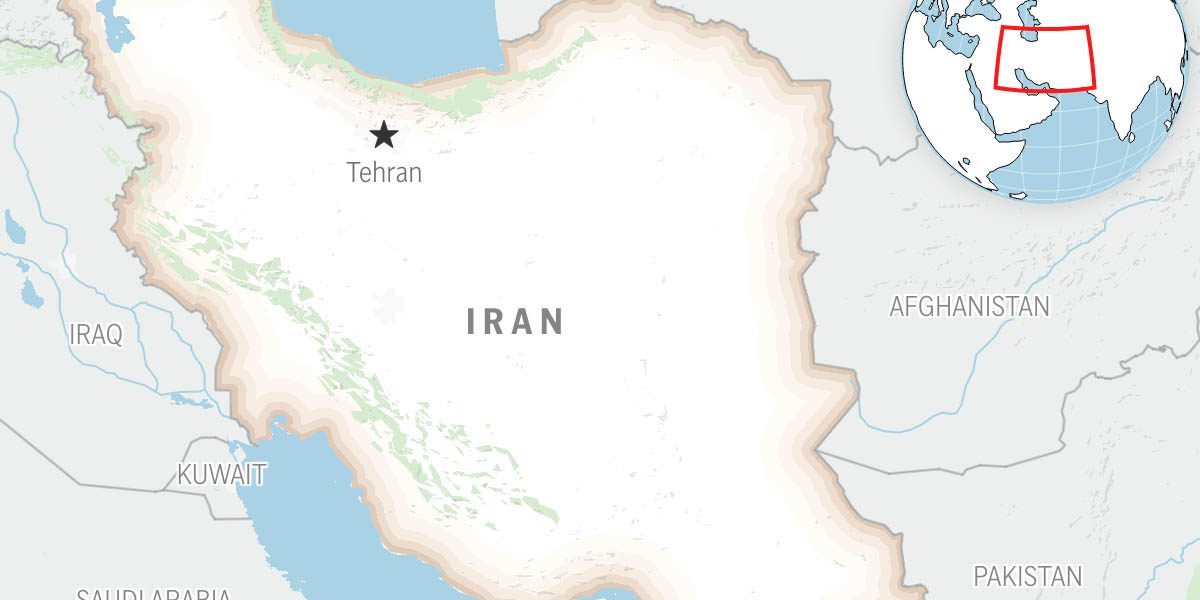
It’s a peculiar dance, this, a grim ballet between old foes. Days—weeks, even—of low-grade simmering antagonism suddenly burst into the open with an Israeli declaration, delivered not through fanfare, but via guarded official statements, that Israel says it has struck Iran. This wasn’t a pre-emptive leak from an anonymous defense official, mind you; it was a terse admission, confirming what many already feared. A tit-for-tat sequence, one might say, where every ‘tat’ carries the weight of future global instability. [QUOTE_PLACEHOLDER]
And then came the reciprocal acknowledgement – or rather, the evidence of it. As the news trickled out of the Middle East’s perpetual pressure cooker, there was the unsettling detail that this supposed retaliatory action wasn’t a unilateral decision; it takes missile fire. The unspoken truth here, as it so often is, proves far more unsettling than any bluster. Because when both sides are playing this dangerous game of escalation, miscalculation isn’t just possible, it’s statistically inevitable, especially when so much hinges on pride and political survival.
Diplomatic circles from Washington D.C. to Islamabad are already doing that anxious, frantic, ‘what-now?’ calculation. It’s a calculation familiar to anyone who’s watched the cycle play out countless times before, yet each instance still manages to feel like a fresh dive off a higher cliff. One anonymous senior European intelligence official, speaking off the record (and probably over a stiff drink, frankly), suggested this exchange marks not a peak, but potentially a new, more aggressive plateau in hostilities.
The global energy markets, always twitchy at the best of times, didn’t need this kind of wake-up call. Early indicators suggest a sharp spike in crude oil prices, reflecting an immediate risk premium applied to the region’s vital shipping lanes. Analysts from the International Energy Agency noted last quarter that approximately 20% of global oil consumption passes through the Strait of Hormuz. That’s a staggering amount, a lifeline, — and a vulnerability all rolled into one volatile geopolitical chokepoint.
But the real long-term impact resonates far beyond oil barrels — and shipping insurance. For countries like Pakistan, already navigating a turbulent economic landscape, any prolonged regional conflagration isn’t just a distant headline. It means increased import costs, a tightening of international finance, and a potential destabilization of crucial trade routes. We’re talking about direct impacts on the everyday cost of living, on inflationary pressures already pinching household budgets across the South Asian subcontinent. And what about the ripple effects on Afghan stability, or the complex, interlocking allegiances within the broader Muslim world?
📄 POLICY WIRE WHITEPAPER PUBLISHED: PAKISTAN'S NATIONAL SECURITY POLICY PRIORITIES
👉 READ BY CLICKING HERECasual observers might view this as another isolated incident. Seasoned watchers know better. This isn’t just a spat; it’s an intensification of a generational struggle, each side digging in deeper, each side convinced of their own righteousness. You can almost hear the gears of regional proxies whirring, ready for activation, prepared to add their own chaotic contributions to the mix.
But we’re seeing a new phase here, aren’t we? It’s direct. It’s overt. And it pulls back the curtain on decades of shadow warfare, forcing the world to acknowledge what’s been happening under the radar. Because frankly, there’s no going back to the way things were once that line’s been crossed with such undeniable force. The Middle East, in its ceaseless quest for a new normal, has just hit another abnormal. We’ll just have to watch if this becomes the ‘new, new normal.’
What This Means
The latest exchange between Israel and Iran, while limited in its immediate disclosed scope, represents a dangerous escalation in regional dynamics. It shatters any lingering illusion of indirect conflict, pushing hostilities into a far more overt — and volatile realm. For the immediate future, we can expect heightened vigilance across regional airspaces and maritime zones, with defense systems on high alert. The directness of these attacks also paints international diplomacy into a tighter corner, as global powers, already struggling with myriad crises, must now recalibrate their engagement strategy with two states seemingly intent on pushing boundaries.
Economically, the jolt to oil markets will likely be sustained as long as the perception of risk remains elevated. Businesses relying on stable supply chains through the Middle East will factor in greater uncertainty, potentially driving up costs globally. Longer term, this incident risks further isolating Iran, but also hardens resolve within its leadership, making any path toward de-escalation more complex. For Muslim-majority nations, particularly those with strong existing ties to either party, navigating this intensification will become an ever-more precarious balancing act, requiring deft political maneuvering to maintain domestic stability and international alliances.