


France and Germany Forge Historic Nuclear Defense Pact
France and Germany announce a groundbreaking nuclear defense agreement, signaling Europe's shift towards enhanced self-reliance in security.

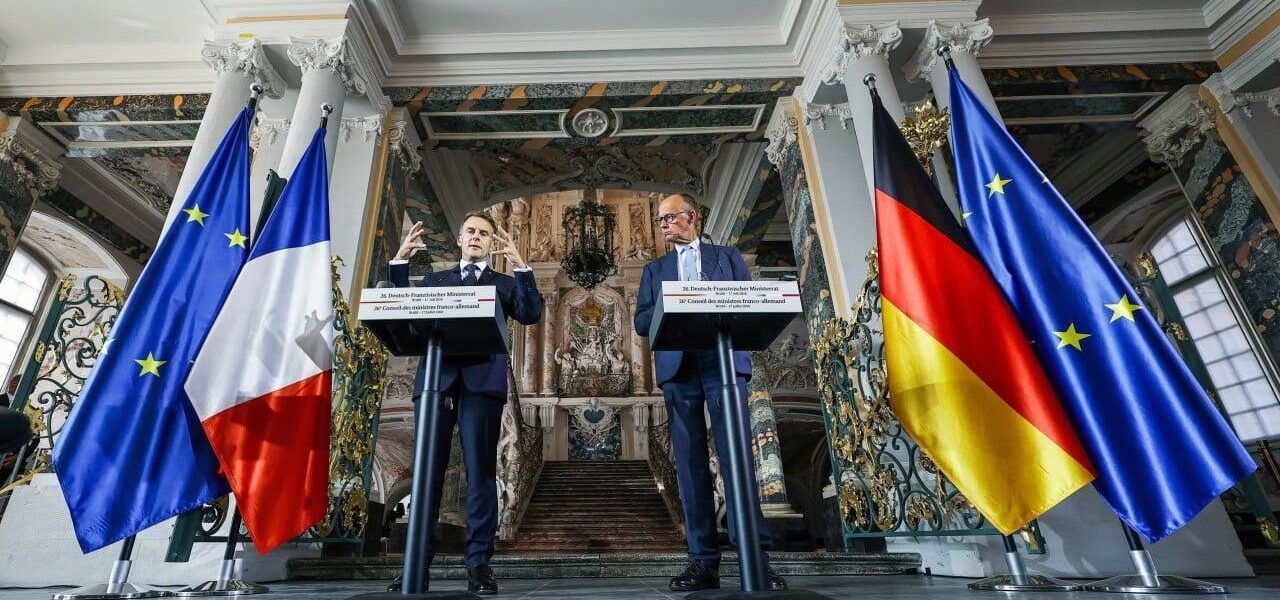
POLICY WIRE — Paris, France — In a significant development for European defense, leaders from France and Germany have announced a new nuclear cooperation agreement. On Friday, officials revealed that the German military will participate in a nuclear exercise led by the French armed forces, marking a deepening of European nuclear collaboration.
This initiative is part of a broader effort to strengthen European defense capabilities and reduce reliance on external security commitments. The move comes amid growing concerns about the future of U.S. security guarantees to the continent.
The announcement was made following high-level discussions between French President Emmanuel Macron and German Chancellor Olaf Scholz. “We will have German conventional forces participate in a nuclear exercise conducted by the French armed forces before the end of the year,” an official statement read.
The agreement underscores Europe’s increasing focus on self-reliance in defense matters. This shift is driven by a combination of geopolitical uncertainties and a desire to assert more control over regional security.
The details of the nuclear exercise remain classified, but it’s expected to involve joint training scenarios and operational planning. The participation of German forces in French-led nuclear exercises is a notable step, highlighting the trust and cooperation between the two nations.
European defense analysts have welcomed the agreement, viewing it as a crucial step towards a more integrated and capable European defense posture. “This is a significant move that signals a new era of European defense cooperation,” said Dr. Hans Richter, a senior analyst at the European Council on Foreign Relations.
The development also reflects broader trends in European security policy. In recent years, there has been a growing consensus among European Union member states about the need to enhance collective defense capabilities. This has been fueled by a combination of factors, including the ongoing conflict in Ukraine, the perceived unpredictability of U.S. foreign policy, — and the rise of new security threats.
As Europe navigates these complex security challenges, the France-Germany nuclear agreement is likely to be a cornerstone of future defense initiatives. It represents a tangible commitment to deeper cooperation — and shared responsibility in maintaining regional security.
Reporting by Policy-Wire (PW)