


Beyond the Baseline: How June’s Global Sports Binge Reflects Shifting Media Power and Soft Power Plays
POLICY WIRE — New York, United States — June 7, 2026. A Sunday. Not just any Sunday, though. This particular rotation of the earth brought with it a deluge, an unceasing digital tsunami of sport,...

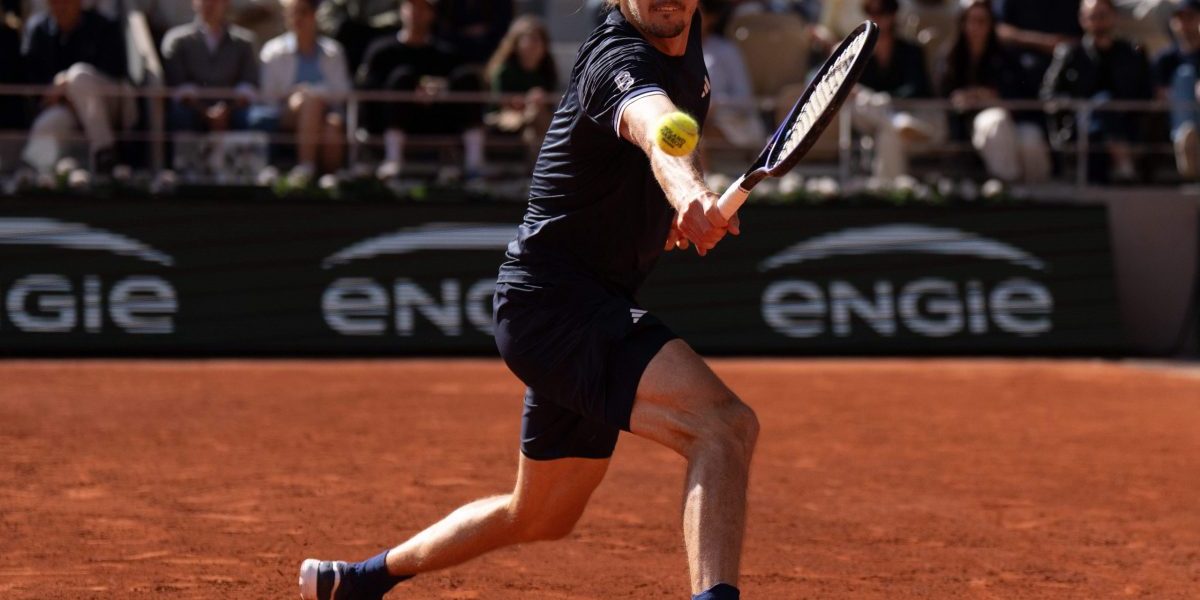
POLICY WIRE — New York, United States — June 7, 2026. A Sunday. Not just any Sunday, though. This particular rotation of the earth brought with it a deluge, an unceasing digital tsunami of sport, splashing across every conceivable screen, from a nascent, frankly peculiar Banana Ball World Tour in Milwaukee to the high-stakes clay of the French Open Men’s Final in Paris. It’s a day that, if one cares to peer beyond the scores and the shouts, doesn’t just reveal who won what; it exposes the brutal, high-stakes battle for eyeballs, global subscription dollars, and, arguably, the future of soft power itself.
See, this wasn’t just a schedule of games. No, it was a finely tuned instrument of broadcast capitalism, orchestrated across dozens of networks and streaming platforms. TNT — and HBO Max battled Peacock and ESPN. Fox wrestled with Prime Video. And you couldn’t help but notice the sheer variety—from NASCAR at Michigan to the UFL playoffs. It’s chaotic, isn’t it? Almost by design, it seems, to keep us scrolling, keep us clicking, keep us paying. Every broadcast, every NFL Media Day snippet, every IndyCar Series race, it’s a bid for a sliver of our attention in an increasingly fragmented digital ecosystem.
“We aren’t just selling content anymore; we’re selling a piece of the global zeitgeist,” observed Ted Sarandos, Co-CEO of Netflix, in a recent interview, referring to the aggressive push into live sports. He wasn’t wrong. The numbers back him up, too. According to Statista, the global sports media rights market is projected to reach approximately $60 billion by 2027. That’s not pocket change; it’s an absolute fortune.
And these sprawling broadcast schedules aren’t simply for the folks in Des Moines or Dallas. They’re for the entire planet. Look at Pakistan, for example. While their own cricket merry-go-round continues, the global appetite for Premier League football, international tennis, and even American baseball quietly permeates new demographics. For the aspiring sports journalist in Karachi, or the tech-savvy fan in Lahore, a Sunday like June 7th offered an unprecedented window into global sporting narratives, delivered seamlessly through the very same platforms as the rest of the world. It’s cultural diffusion, packaged — and monetized. It really is something else.
But there’s a delicate geopolitical dance happening, too. Broadcasting a major tennis final featuring an Austrian on one network, while an international football friendly between Denmark and Ukraine airs on another, means governments and broadcasters are wielding soft power. It’s subtle, sure, but effective. This content does influence perception, creates shared experiences, and subtly dictates who and what’s culturally relevant globally. Sports aren’t neutral; they carry flags, anthems, — and national narratives. They do.
📄 POLICY WIRE WHITEPAPER PUBLISHED: PAKISTAN'S NATIONAL SECURITY POLICY PRIORITIES
👉 READ BY CLICKING HERE“National prestige in the 21st century isn’t just built on GDP or military might,” remarked Dr. Faisal Al-Sabah, a cultural affairs advisor to Kuwait’s Foreign Ministry, last month during a Riyadh economic forum. “It’s about projecting cultural relevance, whether through films, music, or, indeed, the universal language of sport. Access to these global spectacles? That’s an economic — and diplomatic lever.” He gets it. The stakes feel high.
Then you’ve got the technical hurdles—the logistical nightmares of coordinating live feeds across time zones, the digital infrastructure necessary to support millions of simultaneous streamers. This infrastructure, largely owned and operated by a handful of tech behemoths, dictates who sees what, and how cleanly they see it. It’s a technical triumph, — and a commercial bottleneck, all at once. And it’s not getting any simpler.
What This Means
This single Sunday in June signals a hardening of the media landscape, not just a blurring of lines. On one hand, you’ve got hyper-specialized content like Banana Ball carving out niche fanbases on emerging platforms. But on the other, the biggest events—the French Open, Formula 1, PGA Tour tournaments—remain fiercely protected crown jewels, held by established giants or by new players with impossibly deep pockets. That fight for exclusive rights isn’t just about audience retention; it’s about wielding immense cultural and economic influence. Because when a major player like Apple TV snags Formula 1 broadcasts for specific regions, or HBO Max consolidates Grand Slam tennis, it’s not just a programming decision; it’s a strategic deployment of capital designed to shape global viewing habits and, by extension, market share. It makes Europe’s transfer frenzy seem quaint. This concentration of power in media — streaming services dictating what constitutes essential viewing — carries implications for national broadcasting identities, cultural pluralism, and even internet governance. They’re the new gatekeepers, making sure you don’t miss a beat, no matter what part of the world you’re in. And we’re all watching, willingly or not.