


The Sahara’s Silent Harvest: A Truck, 49 Lives, and the Indifferent Sands
POLICY WIRE — Niamey, Niger — Another forgotten chapter closed quietly on the blistering dunes of the Sahara, far from the polished pronouncements of diplomats or the fleeting interest of global...

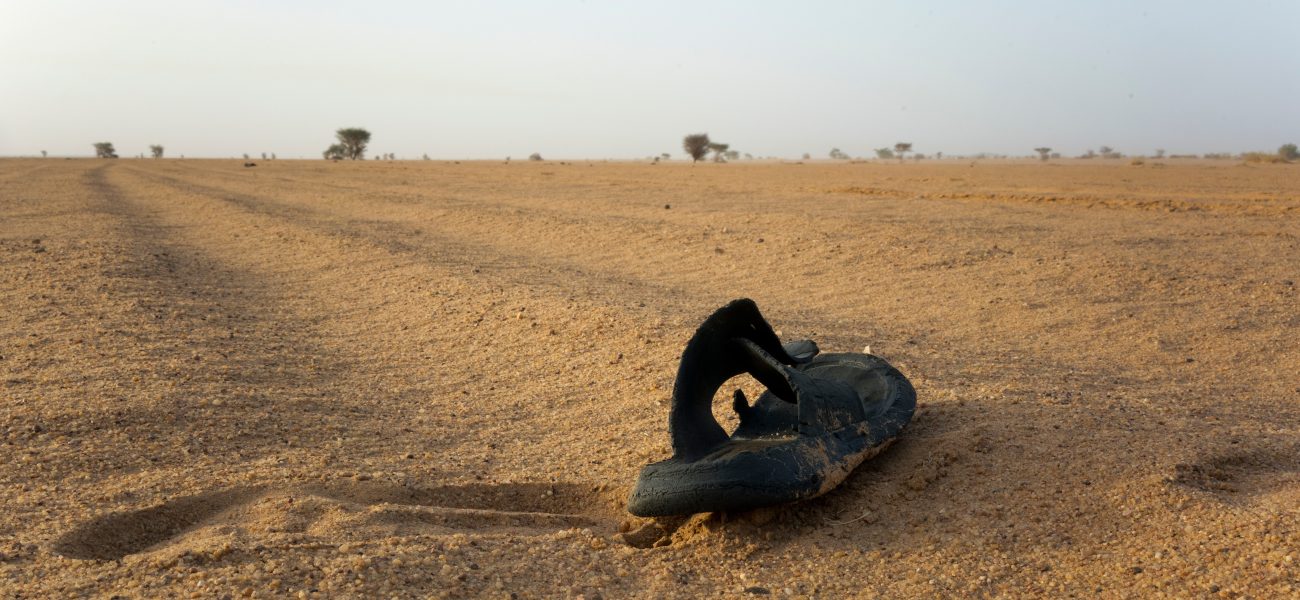
POLICY WIRE — Niamey, Niger — Another forgotten chapter closed quietly on the blistering dunes of the Sahara, far from the polished pronouncements of diplomats or the fleeting interest of global headlines. It wasn’t a bomb, a war, or a sudden natural disaster that wrote this one. Instead, it was just a mechanical failure—a broken-down truck in the relentless emptiness that casually consumed at least 49 human lives. Forty-nine individuals, each with a story, a family, a flicker of hope for a different future, now indistinguishable from the grains of sand they became. It’s a recurring, brutal punch to the gut that speaks volumes about who we choose to see, — and who we don’t.
They weren’t making news; they were merely trying to make a life, often running from what felt like no life at all. The journey itself is a gamble, a desperate lottery ticket purchased with life savings — and desperate prayers. A truck breakdown in Niger strands passengers isn’t just an isolated incident. It’s a systemic flaw, a chilling indicator of a global migration apparatus that’s utterly failing. Because here’s the thing: this isn’t an anomaly. It’s Tuesday in the Sahel, a tragic inevitability for far too many. [QUOTE_PLACEHOLDER]
Reports emerging from the dusty hinterlands confirm the horrifying discovery: the decomposing remains of dozens. No rescue parties scrambled, no sirens wailed across the empty quarter. The truck, it seems, simply ground to a halt. In the merciless crucible of the Sahara Desert, a broken engine isn’t a minor inconvenience; it’s a death sentence. Passengers, mostly young men and women—perhaps a child or two among them, we don’t always get the full roll call—found themselves stranded, marooned beneath a sky that offers no shade and a sun that promises only oblivion. Thirst becomes the protagonist of their final act. Heat, the relentless antagonist. Death, the inevitable, excruciating climax.
You can almost hear the quiet desperation, the growing panic as the last drops of water vanished. Hours stretched into days. Hope, a fragile commodity out here, would’ve slowly evaporated, leaving behind only raw, primal fear. It’s a scene replayed countless times across this vast, indifferent wilderness. We’ve become accustomed to the statistics, haven’t we? Just another number in the ledger of global human misery, easy to skim past during your morning coffee. But for those 49, that number represented their entire world crashing to an end, gasping for breath in the sand.
These weren’t pleasure cruisers. They were migrants, likely on a perilous route heading north, seeking an elusive entry into Europe or simply a chance to work in Algeria or Libya, countries themselves often gripped by instability. Niger, bless its parched heart, is a major transit point. Its porous borders and vast, ungoverned spaces make it a magnet for smugglers — human traffickers who see desperate souls as little more than cargo to be squeezed for profit, their lives cheap currency in a lucrative trade. And when that cargo gets stuck, when the machine fails, there’s rarely a contingency plan, only abandonment.
The International Organization for Migration (IOM) paints a stark picture: In 2023, IOM reported that at least 1,220 people died while attempting to cross the Sahara Desert.
That’s over a thousand named and unnamed individuals, just like those who perished this week, succumbing to conditions that should shame any society purporting to uphold human dignity. Think about it: a thousand people in just one year. That’s a grim procession.
It’s hard not to feel a cold, sharp bitterness when confronted with this stark reality. These deaths are not accidents in the traditional sense; they’re outcomes of a deliberately unaddressed crisis. Of political expediency overriding basic humanity. Of rich nations tightening borders, creating bottlenecks, and inadvertently pushing desperate people onto ever more dangerous paths. It’s the human cost of policies that seek to contain rather than solve, to wall off rather than uplift. And frankly, it’s pretty damning.
📄 POLICY WIRE WHITEPAPER PUBLISHED: PAKISTAN'S NATIONAL SECURITY POLICY PRIORITIES
👉 READ BY CLICKING HEREWhat This Means
The quiet tragedy in Niger isn’t merely a localized incident; it’s a symptom. It reveals the deeply intertwined political — and economic fissures scarring the global landscape. Politically, the Sahel region, where Niger lies, is a hotbed of instability. Coups, insurgencies, and persistent poverty have eroded state capacity, creating power vacuums exploited by everyone from jihadist groups to human trafficking networks. This collapse of governance ensures routes like the Sahara remain arteries of desperation, untamed by law.
Economically, it underscores the staggering disparity that fuels these migrations. Individuals don’t willingly risk dehydration in a desert without extraordinary coercion or the hope of escaping unimaginable privation. For many from West Africa, but also further afield – like those economic migrants often departing from Pakistan or other parts of South Asia – the drive is the same: the lure of remittances, the possibility of a better life for those left behind. Policy responses that focus solely on border control are fundamentally misguided. They don’t address the push factors; they merely amplify the danger, turning economic desperation into a death sentence.
This event should, — and frankly must, prompt a reckoning with our global responsibilities. Nations in Europe, often the aspirational destination, bear a moral burden. Their policies directly influence the choices migrants make. But countries in the Global South, too, need to confront the systemic failures that create these migratory pressures. We’re talking about poverty, climate change displacement, and governance issues that turn potential into perpetual crisis. There’s a certain grim irony in rich nations discussing resource scarcity and supply chains while ignoring the far more significant loss of human capital in this brutal manner. This incident isn’t just about 49 people; it’s about a world that’s allowed them to be so readily disposable.