


The €40 Million Enigma: A Parisian Flop Finds English Shore, Unearthing Global Football’s Volatile Economy
POLICY WIRE — London, UK — The merciless rhythm of the elite football transfer market churns relentlessly, much like the broader currents of global finance. It isn’t always about shiny new...

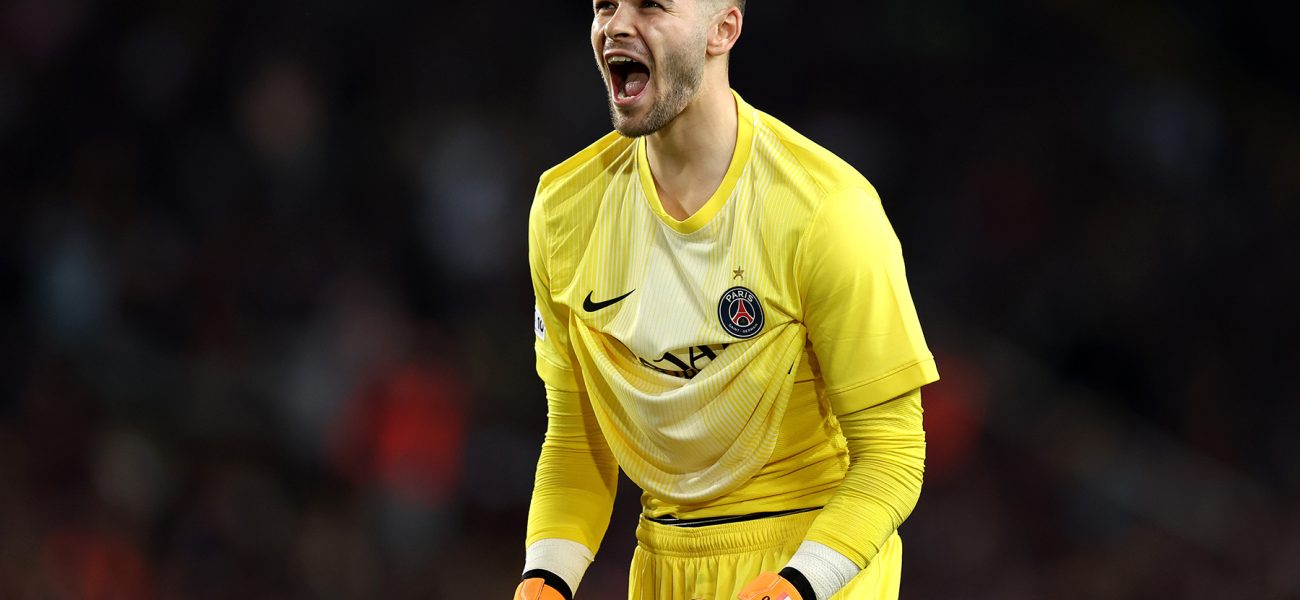
POLICY WIRE — London, UK — The merciless rhythm of the elite football transfer market churns relentlessly, much like the broader currents of global finance. It isn’t always about shiny new acquisitions, the triumphant unveiling of a footballing prodigy. Sometimes, often in fact, it’s about acknowledging a costly misstep, a wager gone spectacularly sour in the gilded cages of European giants. This year, the spotlight swivels towards Lucas Chevalier, a goalkeeper once touted as a potential lynchpin for Paris Saint-Germain’s ambitious project, now seemingly en route to the more pragmatic shores of England.
Chevalier’s saga is a telling microcosm of an industry where talent, capital, — and fleeting narratives collide. A club often characterized by its high-spending, Qatar-backed ventures, PSG finds itself in the uncomfortable position of offloading a substantial investment barely a year after acquisition. And we’re not talking about pennies here. The substantial €40 million investment from Lille last summer, as publicly acknowledged by the club’s readiness to divest, highlights the precarious nature of player valuations at football’s pinnacle. This kind of financial reckoning, particularly from a club under the direct ownership of Qatar Sports Investments, doesn’t just impact balance sheets in France; it sends ripples across a global footballing economy, including nations within the wider Muslim world, many of whom look to these influential European clubs as symbols of soft power and economic might. [QUOTE_PLACEHOLDER]
It’s a brutal reality: Chevalier lost his place in goal midway through the season. His tenure at the Parc des Princes, once envisioned as a glorious chapter, quickly devolved into a narrative of underperformance and pressure. He struggled in his first season at the Parc des Princes. This rapid decline in perceived value offers a stark lesson for football’s new generation—the transition from promising talent to established star isn’t just about skill; it’s a baptism by fire in the unforgiving furnace of expectation, amplified by eye-watering transfer fees.
But every end writes a new beginning, as they say. English Premier League club Aston Villa, an upwardly mobile team enjoying the rarefied air of Champions League football, appears to be the most likely destination. Journalist Romain Collet Gaudin is reporting that Aston Villa are interested in signing the stopper. The mechanics of the move are straightforward enough: Villa’s current first-choice goalkeeper, Emi Martinez, is expected to leave the club this summer, creating a perfect space for Chevalier to join as first choice. This isn’t merely a transfer; it’s a strategic realignment for both clubs, driven by their respective commercial and sporting agendas. PSG wants to cut their losses; Villa seeks a promising, albeit slightly dented, asset.
The deal, if struck for a good price, could work well for Villa, PSG — and the player. Chevalier is young, possesses plenty of talent, and, most importantly, craves a fresh start. A stint under a respected tactician like Unai Emery—a man who understands the complexities of player psychology as much as formations—could be exactly what the Frenchman needs. Emery’s track record with struggling talents suggests a keen ability to polish what others deem tarnished. You see, the management of a club’s human assets is paramount, a constant re-evaluation of market forces and potential, much like the strategic pauses seen in other high-stakes player negotiations.
The sheer global scale of these transactions is something often overlooked. When a Parisian club, bankrolled by Qatari investment, makes decisions about its roster, those decisions aren’t insular. They connect, however subtly, to a vast network of commercial interests, national prestige, and even the aspirational gaze of football fans in Karachi or Kuala Lumpur, who follow these European leagues with almost religious fervor. And this financial interplay is the very engine room of modern sport. This movement of players, particularly those carrying significant price tags, represents not just a changing of uniforms, but a reallocation of economic and symbolic capital on a global chessboard. It’s high-stakes stuff, this professional football, far beyond mere goals — and assists.
📄 POLICY WIRE WHITEPAPER PUBLISHED: PAKISTAN'S NATIONAL SECURITY POLICY PRIORITIES
👉 READ BY CLICKING HEREWhat This Means
This potential transfer isn’t just another swap deal on the sports ticker; it’s a telling narrative about modern football’s ruthless financial ecosystem and the delicate balance of club prestige. For PSG, shedding Chevalier signals a cold, calculated asset management decision. They’re cutting their losses on a €40 million punt, acknowledging that not every high-value acquisition turns into a success story. It underscores the commercial imperative of Gulf-owned clubs—a balance between projecting global influence and maintaining fiscal prudence, even with vast resources.
For Aston Villa, it’s a classic redemption play, a gamble on potential for a club that’s punching above its weight, particularly in the Champions League. It demonstrates their strategy of shrewd acquisitions, targeting players who may need a reset, believing in the capacity of their manager, Unai Emery, to extract latent talent. Economically, securing a player who might’ve cost €40 million a year ago for presumably a lesser fee—a significant markdown—could be seen as smart business. But it’s still a risk. And risks, whether financial or athletic, shape a club’s identity as much as its trophies.
From a broader perspective, especially concerning regions like South Asia and the Muslim world, this sort of high-profile transfer underscores the interconnectedness of global capital. The deep pockets of Middle Eastern sovereign wealth funds underpin much of the top European football landscape, creating an aspirational ladder that transcends continents. When players move, even from a Qatari-owned club to an English one, it reflects how these funds influence everything from player wages to broadcast rights, touching upon economic ties and cultural consumption patterns worldwide. It means these player decisions, ultimately, are policy decisions, reflecting deeper trends in global investment and soft power projection.
But Florentino Perez has been making some big boasts recently, — and we’re not sure how he’s going to live up to them. It means the global footballing machine, with its complex web of owners, agents, and increasingly sophisticated financial instruments, keeps rolling. Whether Chevalier rediscovers his form at Villa remains to be seen, but his journey highlights the inherent volatility, the high-stakes, and the cold economic realities shaping what we often simply call the beautiful game. Talent is temporary; market value, on the other hand, is a constant, shifting truth. It’s a game of chess, really, played with human pawns — and national pride.