


Corrales Hooks a Community: Free Fishing a Faux Pas or Force Majeure of Local Policy?
POLICY WIRE — CORRALES, N.M. — In an era obsessed with digital dominion and grand geopolitical maneuvering, a modest New Mexico village is making waves—or, rather, ripples—with an entirely analog...

POLICY WIRE — CORRALES, N.M. — In an era obsessed with digital dominion and grand geopolitical maneuvering, a modest New Mexico village is making waves—or, rather, ripples—with an entirely analog endeavor. They’ve decided the best way to steer their citizens toward collective contentment, away from the flickering glow of screens and the drumbeat of global anxieties, is to simply give them a fishing pole. Corrales, New Mexico, population roughly 8,500, isn’t just hosting a fun day; it’s quietly engaging in a potent, if understated, form of social policy.
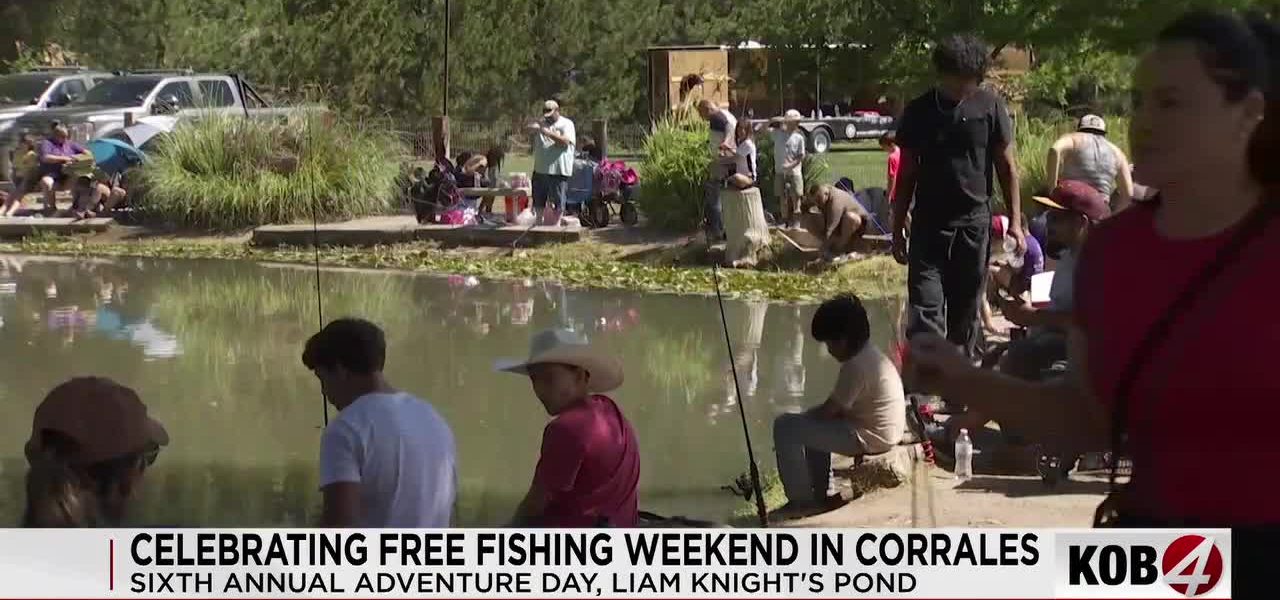
It wasn’t a UN resolution; it wasn’t a congressional debate. It was just an ‘Outdoor Adventure Day’ on a recent Saturday. Held at Liam Knight Pond, the affair felt like a curated escape from modernity, a deliberate regression to simpler pleasures. Kids—and some adults, let’s be honest—flung lines into murky waters, hoping for a bite. There were prizes, sure. There were also pellet guns — and archery ranges. It’s a spectacle, isn’t it? Such a visceral counterpoint to the relentless grind outside this tranquil pocket of the Rio Grande Valley. It’s almost a protest in its simplicity.
“We’re not just providing a distraction; we’re investing in our social infrastructure,” explained Mayor Pro Tem James Rumbough, speaking to Policy Wire from his city hall office, a subtle smile playing on his lips. “When folks connect with the natural world, and with each other, it builds a resilience you can’t buy with grant money or flashy campaigns. You get that, right? It’s not just about fish; it’s about grounding ourselves.” But then, what’s the real cost of ‘free’ fishing when so much else feels transactional these days?
The sixth annual event underscores a quieter truth: sometimes, the most impactful governance happens at the ground level, with hands-on engagement that offers tangible respite. It’s an interesting local antidote to an increasingly disconnected world. A recent report by the New Mexico Department of Game and Fish indicated a 15% increase in youth fishing license applications over the past two years statewide—a significant bump suggesting a growing appetite for such uncomplicated diversions.
And it’s a yearning that transcends borders. Just look at the broader Muslim world, a region often grappling with immense societal — and environmental pressures. You’ll find communities there, from the bustling cities of Karachi to the remote villages dotting the Hindukush, also turning to accessible, collective pastimes—be it street cricket matches or shared picnics by riverbanks—to foster communal bonds and mental well-being. It’s the same impulse, isn’t it? That fundamental human need for joy, for belonging, for a moment to just… be. Because economic stress and political instability, whether in Balochistan or Bernalillo County, don’t extinguish the human spirit’s demand for simple leisure; they intensify it.
Corrales isn’t exactly facing an existential crisis, no. But its elected officials aren’t blind to the ambient hum of anxiety that penetrates even the quietest suburbs. The local policy makers, it seems, grasp that cultivating joy and communal solace might just be a powerful, preventive measure against a creeping malaise. “Our aim isn’t just to teach kids how to cast; it’s to remind everyone that some of life’s richest experiences don’t require a screen or a subscription fee,” mused Councilwoman Valerie Maestas, her tone pragmatic, but with an underlying conviction. “They’re free. And we’re happy to facilitate that.” You can almost hear the unstated economic benefit there, can’t you? Less stress, maybe fewer local incidents, stronger community ties that translate into local political capital.
📄 POLICY WIRE WHITEPAPER PUBLISHED: PAKISTAN'S NATIONAL SECURITY POLICY PRIORITIES
👉 READ BY CLICKING HEREThe whole enterprise reminds one of the broader conversation about New Mexico’s ongoing bid for community respite amidst climate anxiety. It’s not just about addressing the big, scary problems. It’s also about the micro-level policies that soothe frayed nerves — and build social cohesion. Because a community that plays together, one suspects, might just weather the bigger storms better together. One day, a generation from now, some policymaker somewhere—maybe even in Peshawar or Lahore, where folks are likewise looking for shared, accessible leisure—might reflect on Corrales, and this quaint insistence on fishing, and perhaps find a lesson. It’s certainly more compelling than another municipal budget review, isn’t it? Just another way a community tries to find its footing, sometimes even when other dreams are fading.
What This Means
Corrales’ ‘Outdoor Adventure Day’ isn’t just an adorable local event; it’s a subtle masterclass in local governance and public welfare. Politically, it strengthens community bonds, often translating into increased civic engagement and social trust—assets that any local administration covets. Economically, while seemingly trivial, such events offer low-cost, high-impact benefits: they boost mental health (reducing healthcare strain indirectly), provide family-friendly activities that retain residents, and foster a sense of belonging critical for local small businesses. in a country increasingly polarized, providing common ground for shared experiences cultivates social capital, mitigating divisions before they fully bloom. This isn’t merely recreation; it’s strategic placemaking, a soft power play that aims to make the community not just livable, but truly vibrant. It also positions local officials as pragmatic leaders who prioritize tangible well-being over abstract policy debates, a winning hand in any election cycle.