

Essential Safety Measures for Washing Fruits and Vegetables to Prevent Cyclosporiasis
Learn crucial steps for washing fruits and vegetables to avoid cyclosporiasis, a diarrhea-causing parasite. Prewashed options may not ensure safety.

POLICY WIRE — London, UK — Consumers are urged to adopt stringent washing practices for fruits and vegetables to mitigate the risk of cyclosporiasis, a parasitic infection that can cause severe diarrhea. Recent findings indicate that purchasing prewashed produce doesn’t entirely eliminate the risk of contamination.
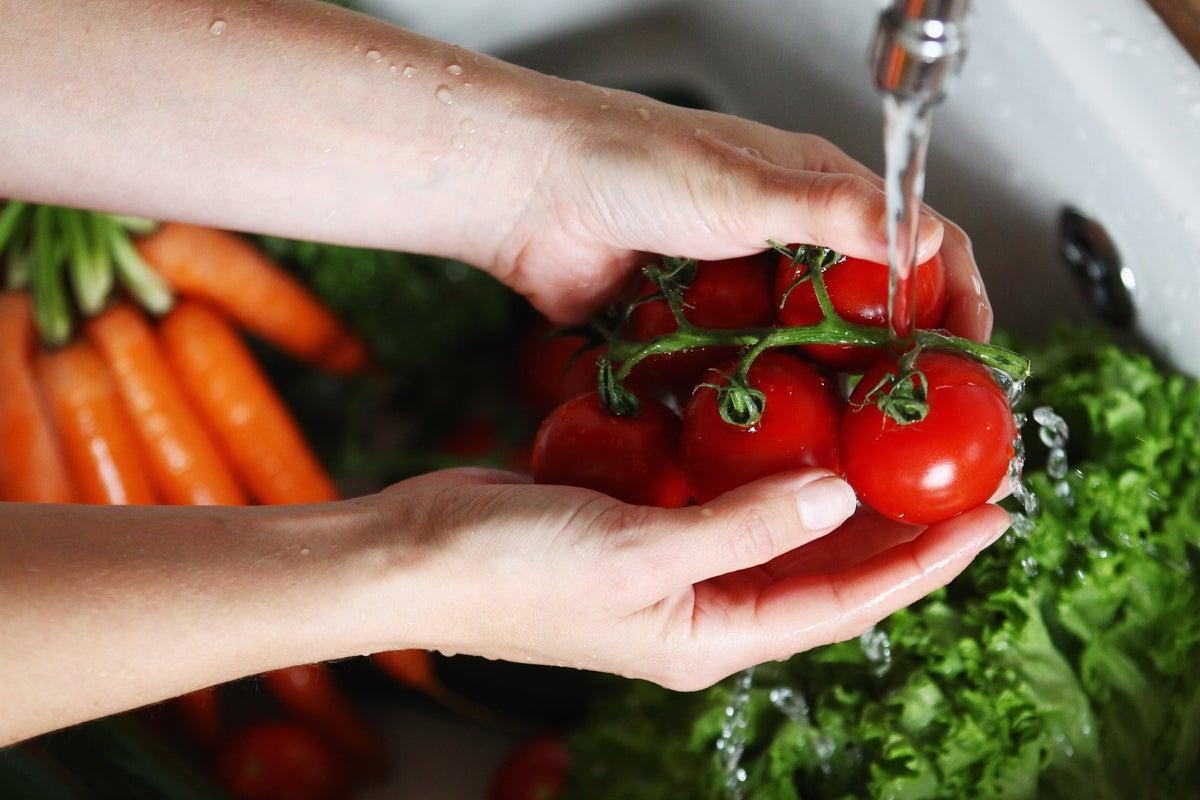
Cyclospora cayetanensis, the parasite responsible for cyclosporiasis, is commonly transmitted through contaminated food and water. Symptoms include prolonged diarrhea, weight loss, — and fatigue. The Centers for Disease Control and Prevention (CDC) recommends thorough washing of all fresh produce under running water before consumption.
“While prewashed items can be convenient, they’re not fail-safe against contamination,” stated Dr. Emily Harrison, a food safety expert. “Consumers should always give their produce a final rinse at home to ensure maximum safety.”
The importance of these measures was underscored during a recent outbreak linked to imported fresh produce. Health authorities reported a significant number of cases, prompting increased vigilance among consumers and retailers alike.
For those seeking additional protection, the use of a produce wash can be considered. However, it’s crucial to follow the product instructions carefully to ensure effectiveness.
As the public becomes more aware of food safety concerns, ongoing education — and vigilance are essential. Retailers are also encouraged to enhance their cleaning protocols and provide clear instructions for consumers on the proper handling of fresh produce.
Reporting by Policy-Wire (PW)